
The EU seafood market is one of the biggest and the most lucrative market in the world for seafood products.
EU trade and imports policies, like EPAs, GSP, among others, have an impact on food production systems in Africa.
The current EU Farm to Fork strategy, which seeks to use its international cooperation to build global sustainable food systems, largely ignores seafood production in general, and pays no attention to the role of artisanal fishermen in sustainable food systems in Africa nor their contribution to poverty eradication.
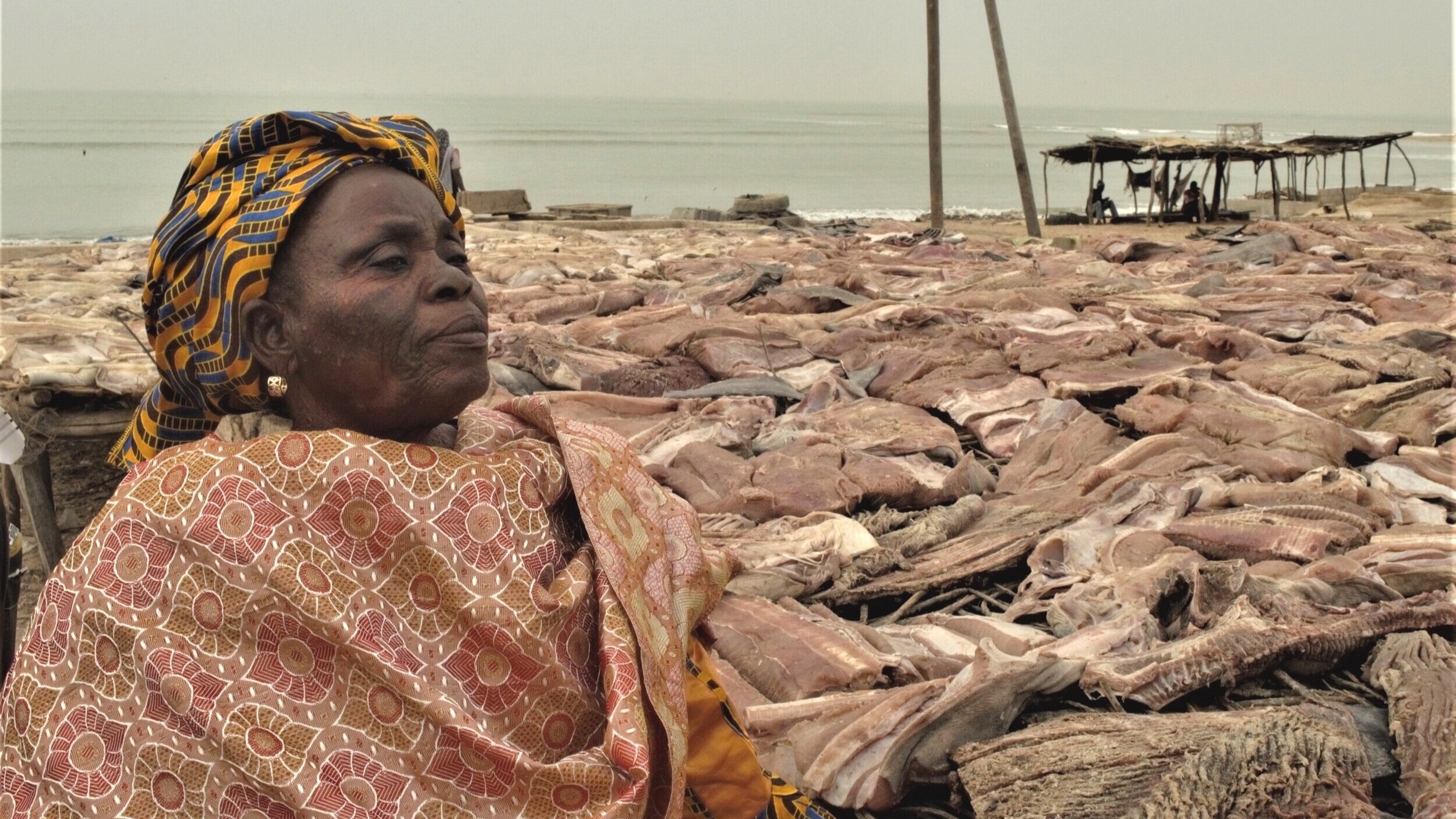
Photo: Joëlle Philippe/CFFA
“Recognizing the important contributions of artisanal and small-scale fisheries to employment, income and food security, States should appropriately protect the[ir] rights [...], to a secure and just livelihood, as well as preferential access [...] to traditional fishing grounds and resources””
what are we doing?
We monitor EU trade and import policies that have an impact on the livelihoods of artisanal fishing communities in Africa;
We raise awareness about the role of African artisanal fisheries ensuring food security of their communities and region; and
We strive to provide a space for dialogue between these stakeholders and EU decision-makers.

Eu food policy coalition
We are members of FPC, a network of civil society organizations advocating for sustainable food systems at the EU level.
latest publications
Contribution of African artisanal fisheries to food security
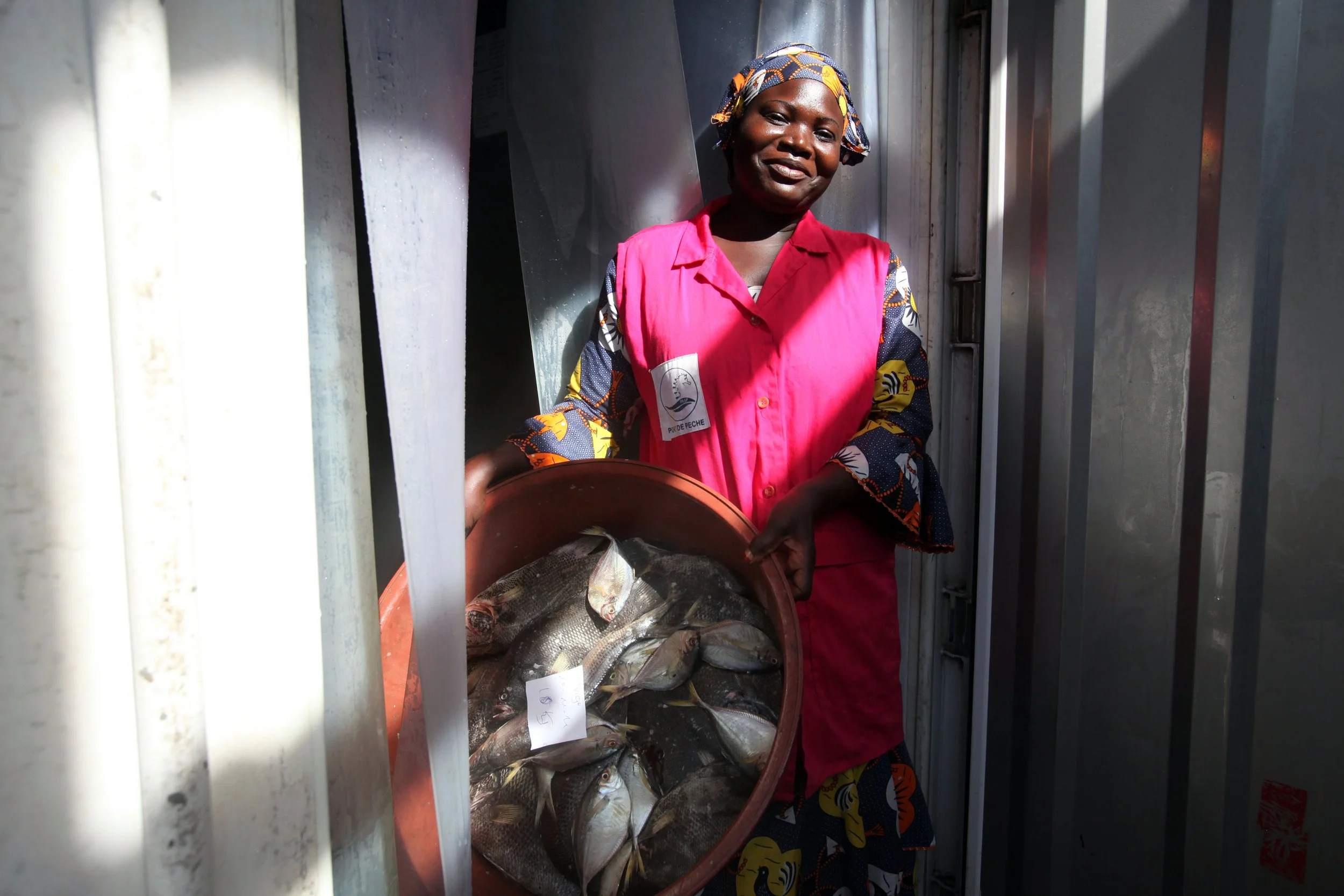




This article examines the deadlock in negotiations between Mauritania and the EU over a new fisheries agreement, focused on European fleet access and the EU’s financial contribution. As the Commission prepares its Vision 2040 for fisheries and aquaculture, it argues that negotiations should also address sustainable fisheries management and benefits for Mauritania’s small-scale fishing communities.