While small-scale fishing communities are suffering first hand the impacts of climate change, they are also developing community-led and nature-based solutions to adapt and become resilient. In this policy brief, the author goes through some examples and gives recommendations on how the EU can support these initiatives.
Reading time: 12 minutes
Climate change is rapidly transforming both the environmental and social landscapes of Africa coastal areas.
Fishers’ catches are reduced, fishing seasons are disrupted due to rising sea temperatures, shifting currents, changes in the fish distribution and abundance, and coastal erosion. This is in turn destabilising women in fisheries post-harvest activities.
The effects of climate change are felt acutely in African small-scale fishing communities, whose livelihoods depend on predictable and robust ecosystems and safe and accessible on-shore landing and processing sites. If industrial fleets can adapt to many of the impacts of climate change by simply moving elsewhere, most African small-scale fishers cannot. Their fishing grounds, landing sites, and fish processing centres are fixed. When the climate changes, their lives change with it.
Yet they are not passive victims. Across the continent, they are developing community-led, nature-based solutions to strengthen their communities’ resilience to climate change. Given both their vulnerability and their contribution to food security, rural development and biodiversity conservation in Africa, the EU has a responsibility to actively support their efforts.
1. Heightened impacts across the continent
A) INCREASED PRESSURE ON SMALL PELAGICS, SHRINKING LIVELIHOODS OPPORTUNITIES
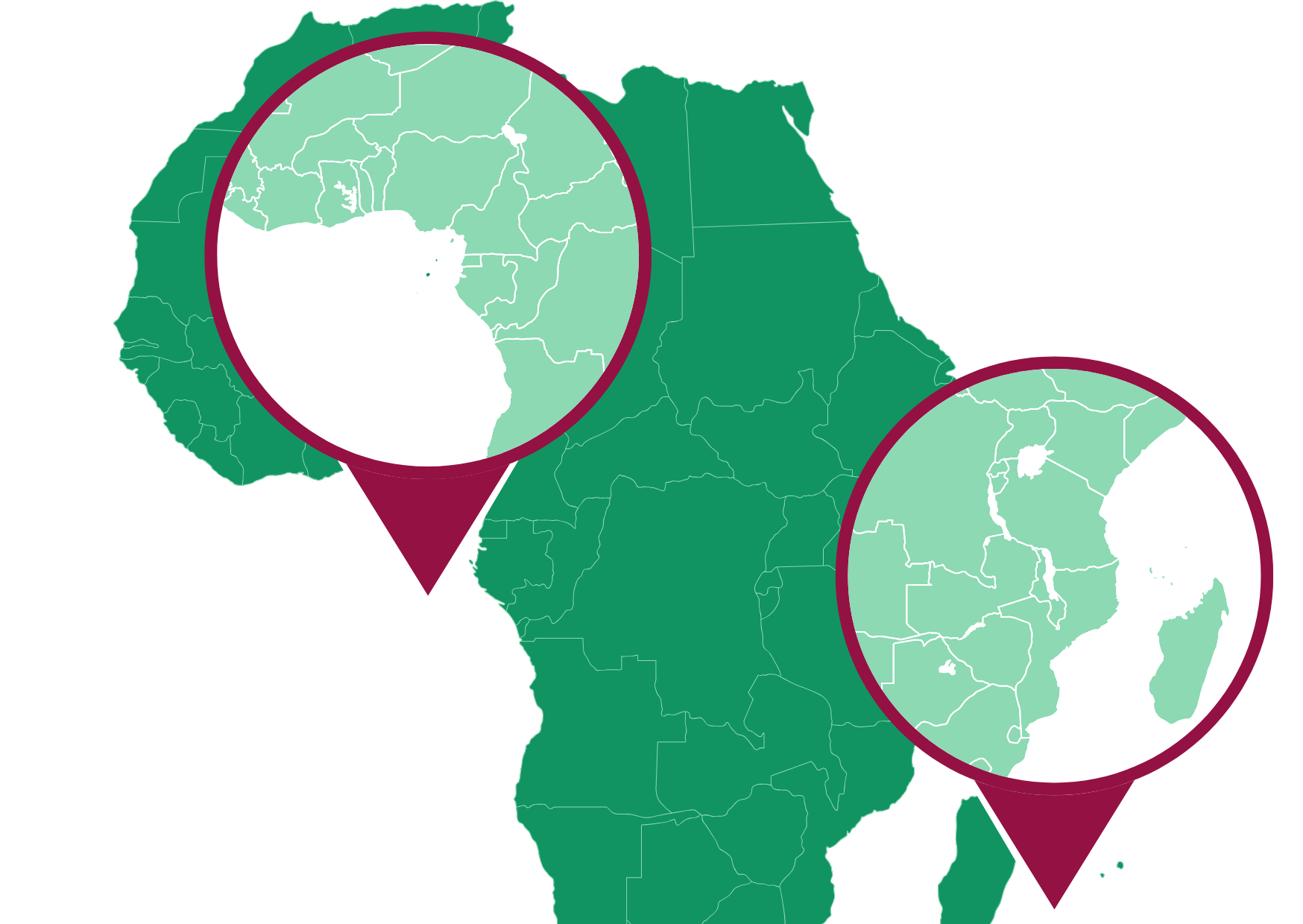
Small pelagic resources in West Africa, such as sardinella, bonga, have short life cycles, rapid growth, and strong dependence on ocean temperature, currents and coastal upwelling, a process where nutrient-rich colder waters rise to the surface. Even small changes in sea surface temperature, wind patterns or plankton productivity can quickly alter fish distribution, reproduction and survival. Warming, shifting currents and weakened upwelling systems due to climate change can cause sudden declines in abundance or abrupt movements of these resources.
In Senegal, in towns like Saint‑Louis, Mbour, and Joal, fishers as well as scientists report that sardinella, once abundant only a few miles from the shore, now goes further north during warm months. Over the past two decades, the Southern Canary Current Large Marine Ecosystem (CCLME), which extends from Morocco to Senegal, has experienced significant warming, changes in winds, and weakened upwelling. As waters warm up and productivity declines, small pelagic fish such as sardinella are shifting northward. For example, round sardinella, once the most abundant small pelagic species on these coasts, has thus moved 180 km northwards , corresponding to a change of the same magnitude in environmental conditions.
In The Gambia rising water temperatures, higher salinity levels and shifts in freshwater flows in estuaries, are affecting the bonga, that relies on a balance between freshwater and seawater for feeding, growth, and reproduction. The progressive demise of the bonga, a staple food for the subregion, limits the raw material available to women processors in Tanji, Brufut (The Gambia), and Kafountine (Senegal). The rapid expansion of fishmeal factories, which directly compete for the same resources, further exacerbates the pressure.
Mauritania is particularly vulnerable to desertification and sea level rise. Compared to the early 2000s, its Economic Exclusive Zone (EEZ) now experiences more than 200 days per year under warm tropical waters, up from around 170. The effects of this warming are visible through the decline of fish stocks and disruptions in marine food chains, including inside protected areas such as the Banc d’Arguin National Park. These changes threaten both the livelihoods of fishers and local food security, deepening poverty in coastal communities.
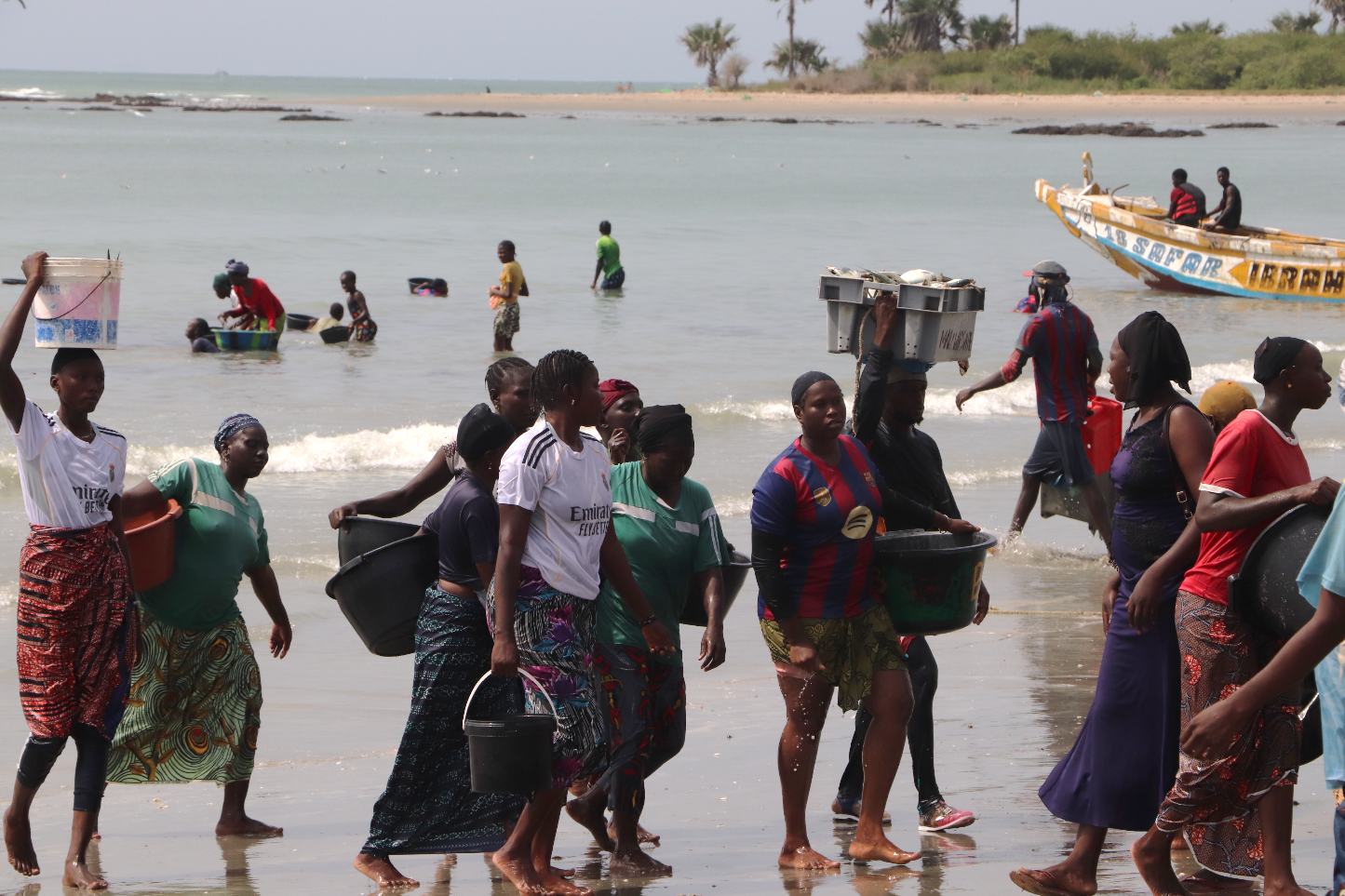
Highly sensitive to oceanic variations, small pelagics in West Africa, such as sardinella and bonga, are migrating and declining as a result of global warming, undermining artisanal fisheries and regional food security. Photo: Gunjur landing site, Gambia, by Mamadou Aliou Diallo.
In Ghana, rising sea temperatures and changing weather patterns are also altering fish behaviour: many artisanal fishers report that species once easily caught near the surface are disappearing or shifting into deeper waters offshore.
Beyond immediate catch losses, climate change threatens long-term food security: indeed, many key species caught by small-scale fishers and consumed by the poorest throughout the region, including sardinella, are particularly sensitive to environmental change. Fishers face declining catches, lower income, and growing uncertainty about their future.
These environmental changes due to global warming, combined with existing over-exploitation of the resources, are increasing pressure on pelagic fish stocks, across national borders, making sustainable management harder and reinforcing the need for coordinated regional policies to protect biodiversity, livelihoods and food security and sovereignty in Africa.
B) CLIMATE VULNERABILITY IN THE WESTERN INDIAN OCEAN: THE CASE OF REEF FISHERIES
Climate change is not only reshaping pelagic fisheries. Coral reef fisheries in Western Indian Ocean countries are facing similar severe threats.
In the Seychelles for example, most small-scale fisheries operate in shallow coastal waters, lagoons, reef zones, and inshore bays. This creates a high dependency on healthy coral reef ecosystems. Yet these systems are extremely vulnerable to warming seas, ocean acidification, and changing storm regimes.
As reefs degrade, fish reproduction is disrupted and catches become more unpredictable. This undermines not only biodiversity but also the livelihoods and food security of small-scale fishers.
While some fishers are managing to get organised in cooperatives and shift to fishing operations in higher seas targeting larger species, they face new challenges, such as competition with industrial fleets, and, above all, the dangers of the sea. They report having to stay longer days out at sea facing higher safety risks, as they often do not have the right equipment or skills.
Kenya, Tanzania, Madagascar, Mozambique, Comoros, and Mauritius face similar ecological and socio-economic conditions. Because many small-scale fisheries rely on reefs, seagrass beds, mangroves, and lagoons, the degradation of these habitats directly erodes the fish resources they depend on.
C) CAUGHT BETWEEN THE RISING SEA AND THE SHRINKING LAND
Beyond changes at sea, the shores themselves are disappearing. Coastal erosion has become one of the most tangible daily realities for African fishing communities.
The city of Saint‑Louis, in northern Senegal, is perhaps one of the most dramatic example. The widening breach along the Langue de Barbarie sandy peninsula has swallowed fishers’ homes, women fish processing sites, and large sections of the beach where fishers once landed their catches. More dangerous current conditions at the Senegal river mouth claim pirogues every year. Attempts at relocation have been slow and often unsuited to fishing communities’ needs. In Casamance, in the South of the country, accelerating coastal erosion is threatening the very existence of many of the area’s small islands.
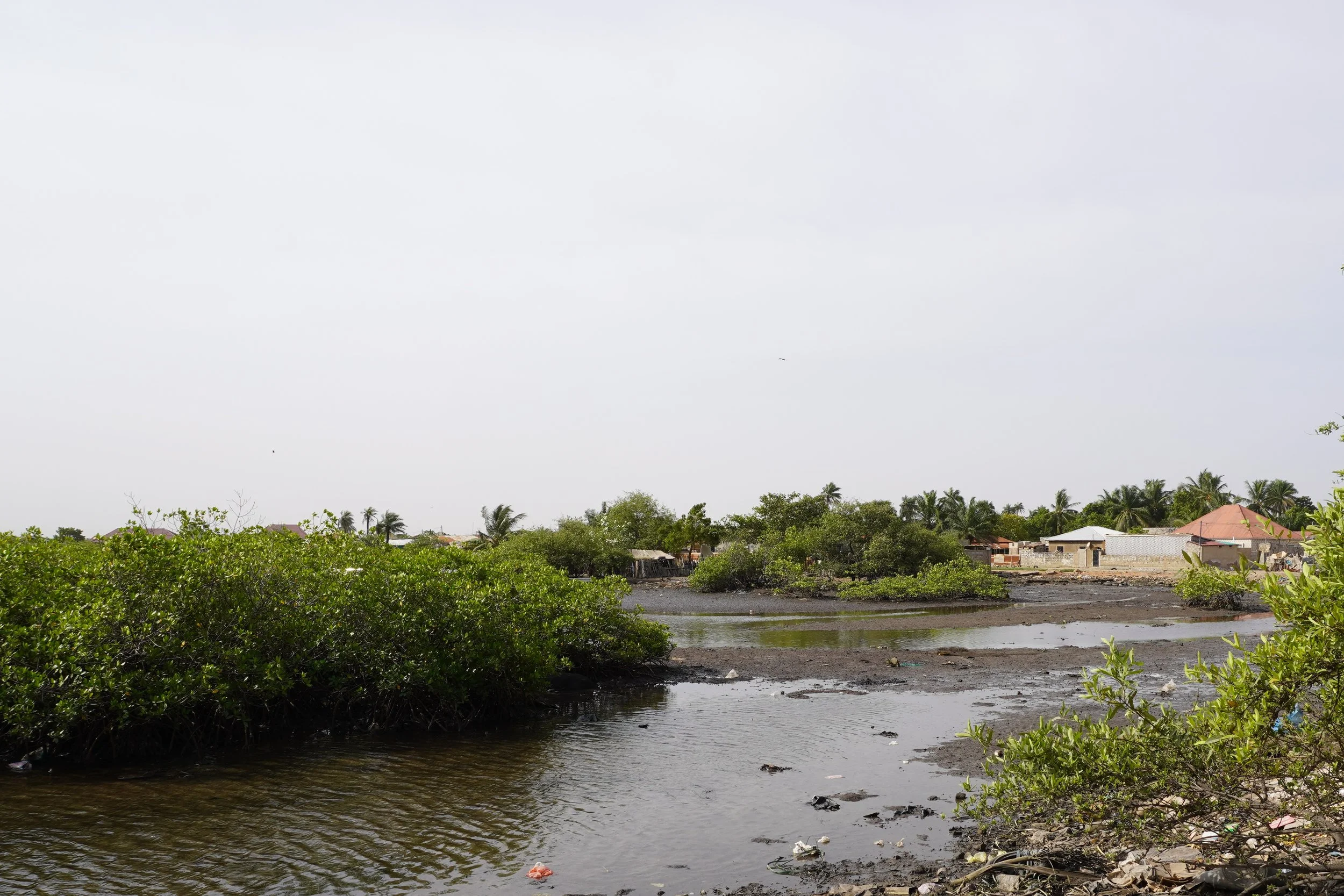
Coastal erosion is eating away at villages in coastal communities and weakening the infrastructure of fish processing sites, forcing women fish processors to move to temporary facilities. Photo: Due to low rainfall and sedimentation, the river level is receding at the Old Jeshwang landing site, by Margaux Rochefort.
The Mauritanian very low-lying coast makes it particularly vulnerable to sea-level rise, storm surges, groundwater rise, and coastal erosion. Rising sea levels are degrading natural coastal defences such as dunes and mangroves, increasing the risk of flooding for important infrastructure, like landing sites.
In The Gambia, fishers describe how sea water now reaches far inland, disrupting traditional fish-drying practices. Fishers with decades of experience report more frequent extreme weather, including stronger winds, higher waves, and dangerous sea surges that complicate fishing operations and increase risks to crews. Many attribute the declining predictability of seasons and reduced fish abundance to rising global temperatures, as cooler periods no longer sufficiently lower sea temperatures.
In Ghana, storm surges, tidal waves and flooding regularly damage fishing canoes, nets, and engines. Erosion in communities like Axim, Dixcove, and Jamestown has put intense pressure on already crowded landing sites. As the sea eats into the coast, fishers are squeezed between water and new port infrastructure. Women fish processors, central to the artisanal value chain, are displaced to temporary or inadequate sites, losing access to water and storage facilities.
Sierra Leone’s coastal communities face a combination of sea-level rise, storms, and mangrove loss. In Shenge and Tombo, women must rebuild processing structures after each major storm, and flooding frequently damages markets and cold rooms. Mangroves, critical for stabilising the coast and sustaining shellfish harvesting, are retreating, further exposing the shoreline.
In Western Indian Ocean countries like Madagascar or Mozambique, rising sea levels, increasing frequency of intense cyclones, and changing precipitation patterns contribute to continuous coastal retreat, saltwater intrusion, and loss of protective coastal wetlands. This also undermines mangroves and coastal defences, threatening coastal infrastructure, fishers’ settlements, and livelihoods.
D) WOMEN AT THE FRONTLINE OF CLIMATE IMPACTS
Women working in African small-scale fisheries, as fishers, fish processors, fishmongers and oyster farmers, are disproportionately affected by climate change. In many West African coastal states, small pelagics and species living in estuaries that women depend on are already under pressure from overfishing and environmental degradation. Warming waters, ocean acidification and changes in salinity further affect the abundance and distribution of these stocks, with direct implications for catches and landings.
As fishers catches decline or shift to new areas, the supply of raw material for women’s processing and trading activities dwindles. In The Gambia, for example, women constitute the majority of fish processors and shellfish harvesters; sea-level rise, coastal flooding and salinisation threaten mangrove ecosystems and low-lying landing sites where they work, damaging smokehouses, drying areas and storage facilities.
Around the country, women oyster harvesters organised in groups such as the TRY Oyster Women Association, supported by mangrove restoration projects, are on the frontline of these changes. After investing in oyster cultivation as an alternative livelihoods strategy, they now face declining shellfish resources as mangroves die back or are submerged, and must invest more time and effort to harvest sufficient product to maintain their incomes and meet household food needs.
For many women whose livelihoods depend on predictable fish landings and shellfish harvesting, climate change therefore translates directly into more efforts, lower earnings and heightened food insecurity.
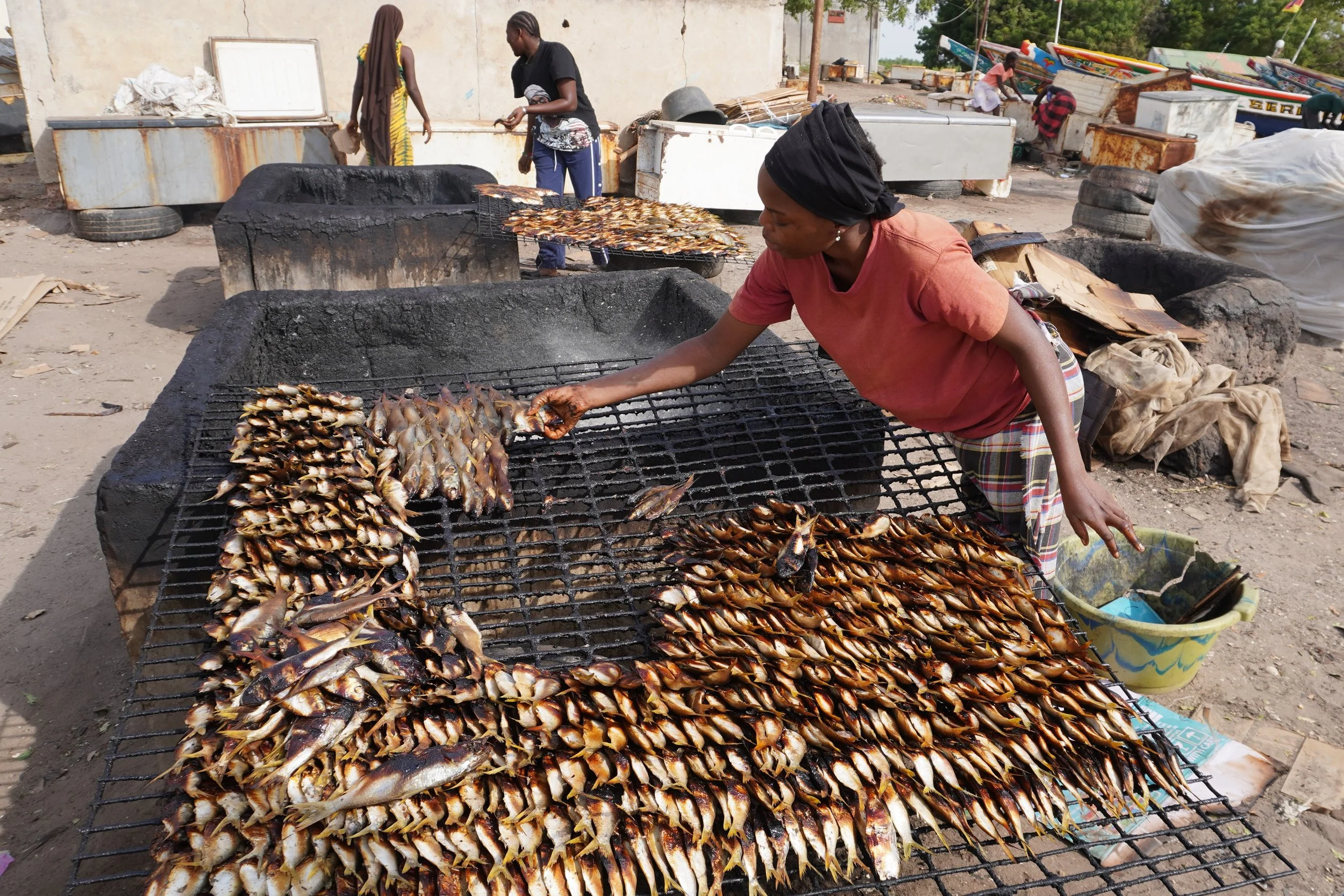
Faced with rising sea levels, the degradation of coastal ecosystems, and declining catches, women in small-scale fisheries must redouble their efforts to preserve their incomes and feed their families, often without essential infrastructure such as cold storage to extend the shelf life of their fish. Photo: Khadidyatou Baro smoking bonga at the Old Jeshwang site in The Gambia, by Margaux Rochefort.
Because women in small-scale fisheries already face structural gender inequalities, the impacts of climate change hit them harder than many men. Across African fisheries and aquatic food systems, studies show that women are concentrated in the most informal and least remunerative nodes of value chains (post-harvest processing, local trade), have weaker rights of access to resources and productive assets, and often lack collateral to obtain credit or invest in improved technologies such as cold storage or modern ovens.
Women also tend to have less voice in fisheries decision-making, - they are under-represented in co-management committees, producer organisations and national policy forums-, which means their specific vulnerabilities and adaptation priorities are rarely reflected in fisheries or climate strategies. At the same time, they have the responsibility for unpaid care and domestic work, limiting their time and mobility to diversify income sources, participate in training, or migrate in response to environmental change caused by global warming.
This cumulation of limited access to assets and capital, weak decision-making power and heavy care burden makes women in African small-scale fisheries especially exposed to climate shocks, and constrains their capacity to adapt, even though they are central to food security and to the resilience of their communities.
2. How small-scale fishers in Africa strengthen community resilience to climate change
Small-scale fishers across Africa are not merely enduring the impacts of climate change; they are actively shaping responses that enhance the resilience of their communities. Their strategies, rooted in local knowledge, collective organisation, and practical innovation, are already helping to stabilise ecosystems and livelihoods in the face of accelerating environmental change.
One of the clearest contributions comes from eco-system-based management and the restoration and protection of coastal ecosystems. In countries like Senegal, Guinea-Bissau, Benin, women’s groups have taken the lead in rehabilitating mangrove forests that anchor the coastline, reduce erosion, and provide essential breeding grounds for oysters, shrimp, and juvenile fish. These efforts not only support biodiversity but also safeguard the working spaces and food sources that communities rely on. In parallel to mangrove restoration, these women are also sensitising their peers to use alternative fuel sources for their smoking ovens in order to spare mangrove wood.
In Ghana, Senegal and Sierra Leone, fishers have organised participatory surveillance initiatives to curb destructive fishing practices, like trawling or the use of monofilament, in coastal areas. By protecting spawning grounds and fragile habitats, they reinforce the natural systems that buffer coastal areas from storm surges and loss of land.
Moreover, fishers are adapting their practices in direct response to shifting species distributions. As familiar species move farther offshore or alter their migration patterns, communities in Mauritania and Senegal have diversified both their gear and their targeted species. Some have turned to trap or handline fisheries for demersal species, reducing the need for longer and riskier offshore trips to track the elusive small pelagics. Women are also developing alternative activities like saltmaking, or oyster cultivation.
Others are drawing on a combination of traditional ecological knowledge and improved meteorological information to navigate in increasingly unpredictable weather. In Senegal, fishers integrate scientific weather forecasts with traditional ecological cues, wind shifts, tidal rhythms, and the behaviour of seabirds to identify safe fishing windows and reduce accidents.
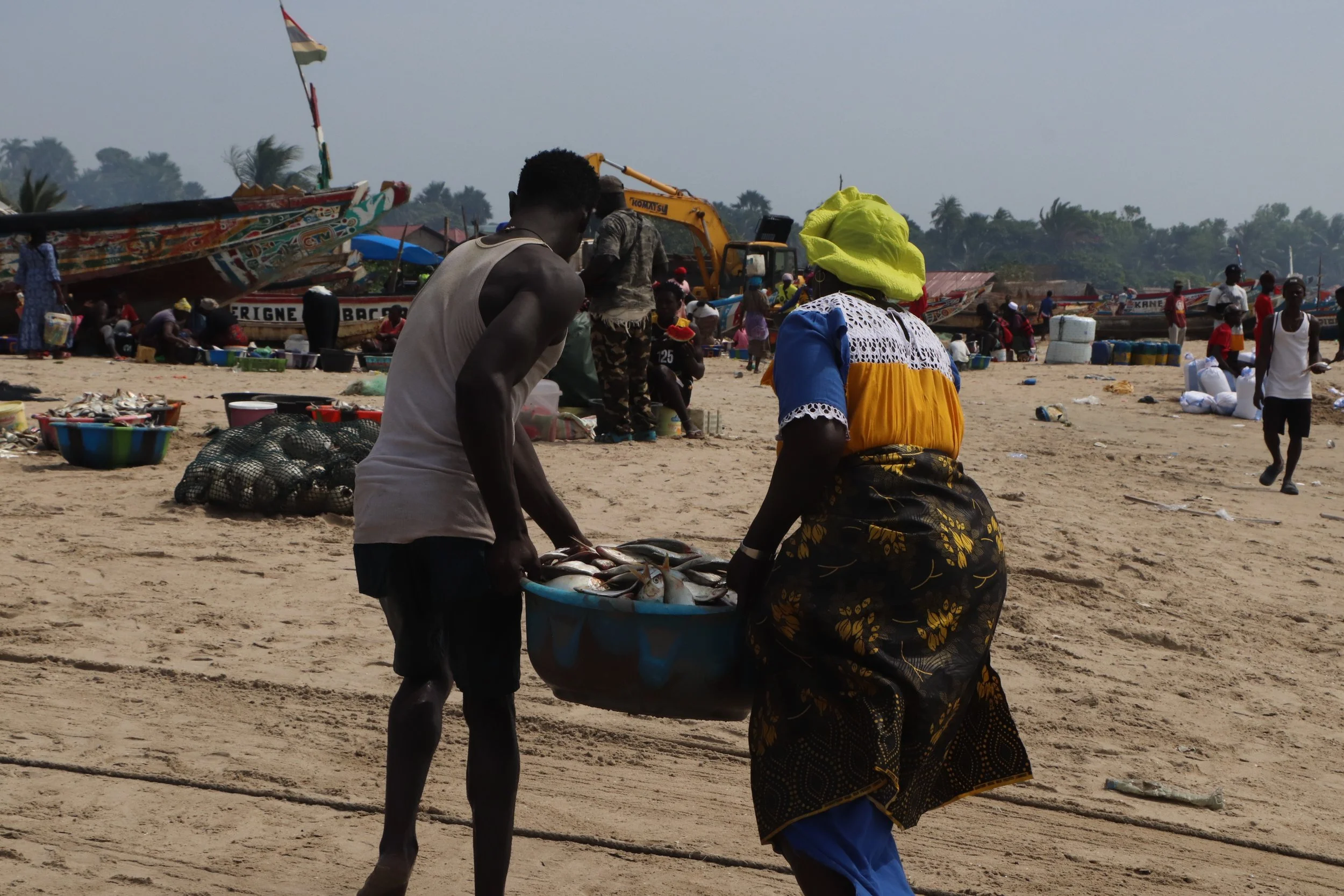
Small-scale fisheries communities are implementing strategies to adapt to climate change, including mangrove restoration, diversification of practices, and participatory monitoring. However, the lack of financial resources, political space, and institutional recognition limits the reach of their actions. Photo: A man and a woman carry fish at the Gunjur site in The Gambia, by Mamadou Aliou Diallo.
Co-management arrangements further reinforce resilience. By bringing fishers, processors, and local authorities together, these participatory governance arrangements help align management rules with evolving ecological realities, and can help reduce tensions raised by the scarcity of fish.
Local co-management bodies, from Senegal’s Comités locaux de pêche artisanale (CLPAs) to Ghana’s Canoe Councils, serve as platforms through which communities can negotiate fishing calendars, resolve conflicts, and incorporate climate information into management decisions. Joint Committees proposed by the African Confederation of Artisanal Fishing Organisations (CAOPA), to be formed by men and women active in small pelagic fisheries across a region, from Mauritania, Senegal, The Gambia and Guinea Bissau, are essential to ensure any future regional management of small pelagic is truly participative.
Community solidarity mechanisms (caisses de solidarité), often set up by women’s associations, provide another protection by enabling households to share risks and recover more quickly from disruptions of their activities caused by climate change.
All these initiatives illustrate a crucial point: small-scale fishers are not waiting for external solutions. Their knowledge, adaptation strategies, and practices are already laying the foundations for improved resilience to climate change.
What they lack are the resources, political space, and institutional recognition to be able to scale up these efforts and integrate them into broader national and regional fisheries management and climate adaptation strategies.
3. Supporting those on the frontline of climate change: a blueprint for EU action in Africa
The role of international partners is critical in strengthening the resilience of African coastal communities to climate change. The European Union, through its development cooperation, trade and fisheries policies, has a particularly strong influence on how African fisheries are governed. Integrating climate resilience directly into fisheries governance must therefore become a central EU priority.
A key reference for EU action must be the FAO Voluntary Guidelines for Securing Sustainable Small-Scale Fisheries in the Context of Food Security and Poverty Eradication (VGSSF), which explicitly address climate change and disaster risk. The Guidelines call on States, communities and partners to recognise the differentiated impacts of sea-level rise, storms and ecosystem degradation on small-scale fishing communities, and to support adaptive, resilient livelihoods and value chains. These Guidelines provide a strong framework for anchoring EU external action in food security, social justice and sustainability.

1. POlicy coherence
Policy coherence across all EU external actions is essential if climate resilience is to be effectively supported. For example, EU trade policies should avoid incentivising the expansion of fishmeal and fish oil industries that compete directly with local food security, at a time when climate change is placing additional stress on small pelagic stocks. Environmental and climate policies should explicitly recognise small-scale fisheries as providers of nature-based solutions that sustain ecosystems while supporting livelihoods. EU-funded programmes which support the fight against Illegal, Unreported and Unregulated fishing (IUU) should systematically integrate community-based surveillance systems to combat illegal fishing, which becomes even more destructive when ecosystems are weakened by climate stress.
2. FUNDING TO PRIORITISE SMALL-SCALE FISHERIES instead of blue growth projects
In line with CFFA recommendations, the EU must ensure that fisheries funding under the 2028-2034 Multiannual Financial Framework benefit small-scale fisheries and coastal communities, and is not diverted toward industrial ‘blue growth’ projects that undermine resilience and food security. This includes preventing industrial developments that displace fishing communities and avoiding unregulated joint fishing ventures that compete with artisanal fleets, ensuring full transparency on vessel ownership, licensing and fishing activities.
3. Development funding to support climate-resilient small-scale fishing communities
The EU’s development instrument, NDICI - Global Europe, offers a major opportunity to support small-scale fisheries within a wider climate resilient and sustainable food-systems approach. NDICI programming should expand support for women post-harvest innovations and climate-resilient processing infrastructure, promote sustainable livelihood diversification in areas most affected by climate impacts, and ensure that small-scale fisheries are systematically included in national climate adaptation plans.
Working with local authorities and fisher organisations, the EU should also support the design of coastal land use strategies that respect the needs, and economic realities of fishing communities facing coastal erosion, flooding and displacement.
Team Europe Initiatives focused on coastal climate resilience and the blue economy must explicitly make small-scale fishers and women as primary partners rather than treating them as secondary beneficiaries. This would ensure communities needs are prioritised over large-scale or industrial projects.
4. regional approaches
At the regional level, closer EU cooperation with the African Union can further strengthen climate adaptation. The AU Blue Economy Strategy and Blue Belt Initiative already recognise the importance of ecosystem restoration and climate resilience. EU support should help operationalise these frameworks through improved coordination on shared small pelagic stocks, harmonised climate-sensitive fisheries policies, and cross-border systems for climate monitoring and emergency preparedness.

5. Using sectoral support from fishing arrangements to boost co-management
Sustainable Fisheries Partnership Agreements (SFPAs) have significant potential as instruments for climate adaptation. Climate vulnerability assessments must be systematically integrated into SFPA evaluations, negotiations and renewals, so that fishing opportunities reflect changing ecological realities rather than historical situations. Priority access for small-scale fishers, especially for coastal species already shifting due to warming waters, should be explicitly recognised as a way to strengthen the resilience of fishing communities. SFPA sectoral support should be directed toward climate-resilient landing sites, secure processing spaces for women, renewable-energy-powered cold storage, mangrove restoration, community-based habitat protection and participatory monitoring systems.
The establishment of secure access and tenure rights for artisanal fishers should be supported, including co-managed protected areas reserved for small-scale fisheries. These legal protections are essential both for climate adaptation and for long-term food sovereignty. Participation of artisanal fishers, women processors and civil society organisations must be formalised within SFPA governance and EU fisheries dialogues, through permanent advisory and oversight mechanisms rather than through ad hoc consultation.
If the EU aligns its fisheries, development, trade and climate policies with the lived realities of African coastal communities, it can help turn local resilience efforts into durable adaptation pathways. Supporting African small-scale fishers is not only an issue of fairness; it is a strategic investment in food security, rural development, biodiversity conservation, ocean governance, and the long-term sustainability of EU-Africa partnerships.
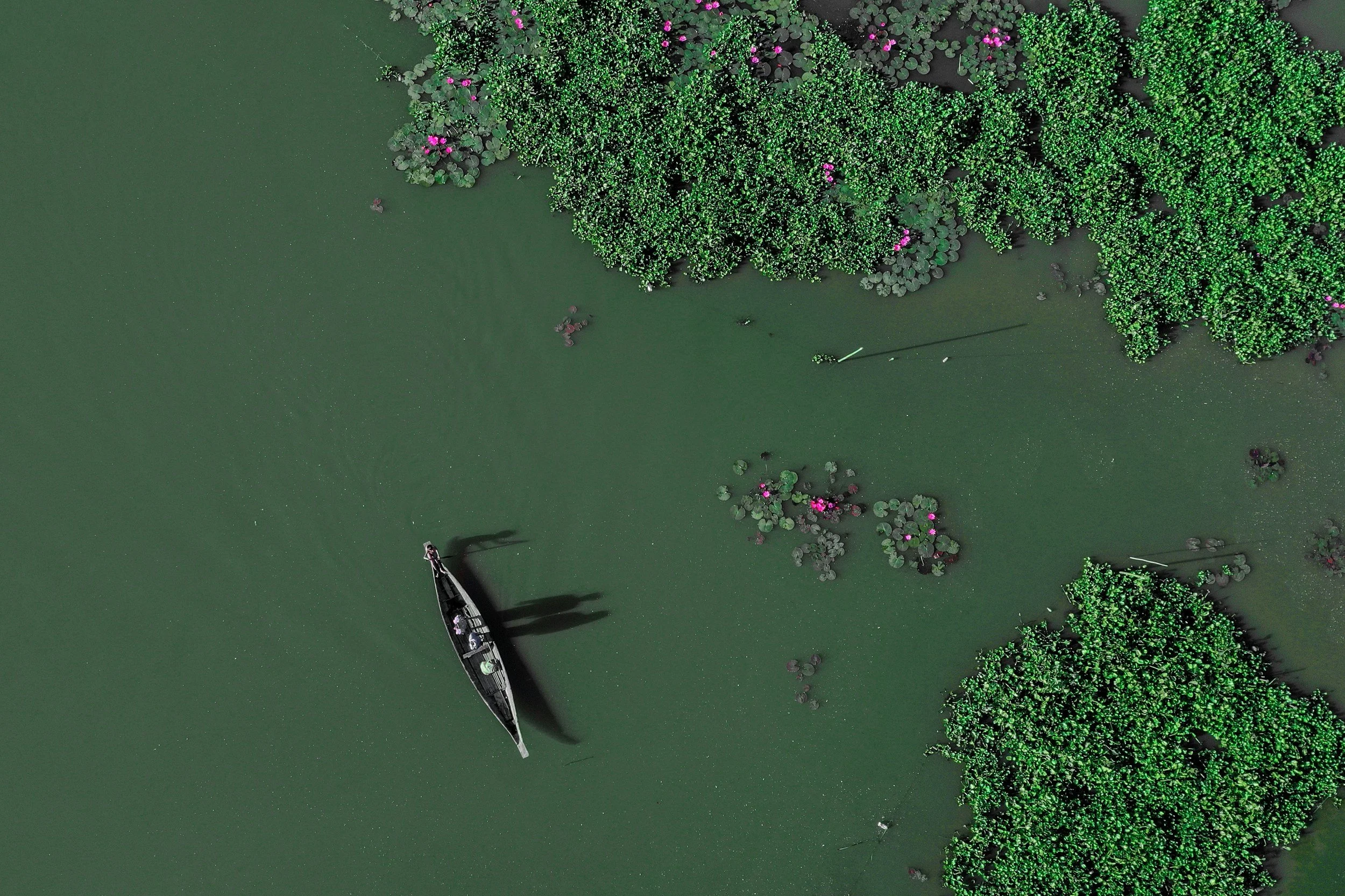
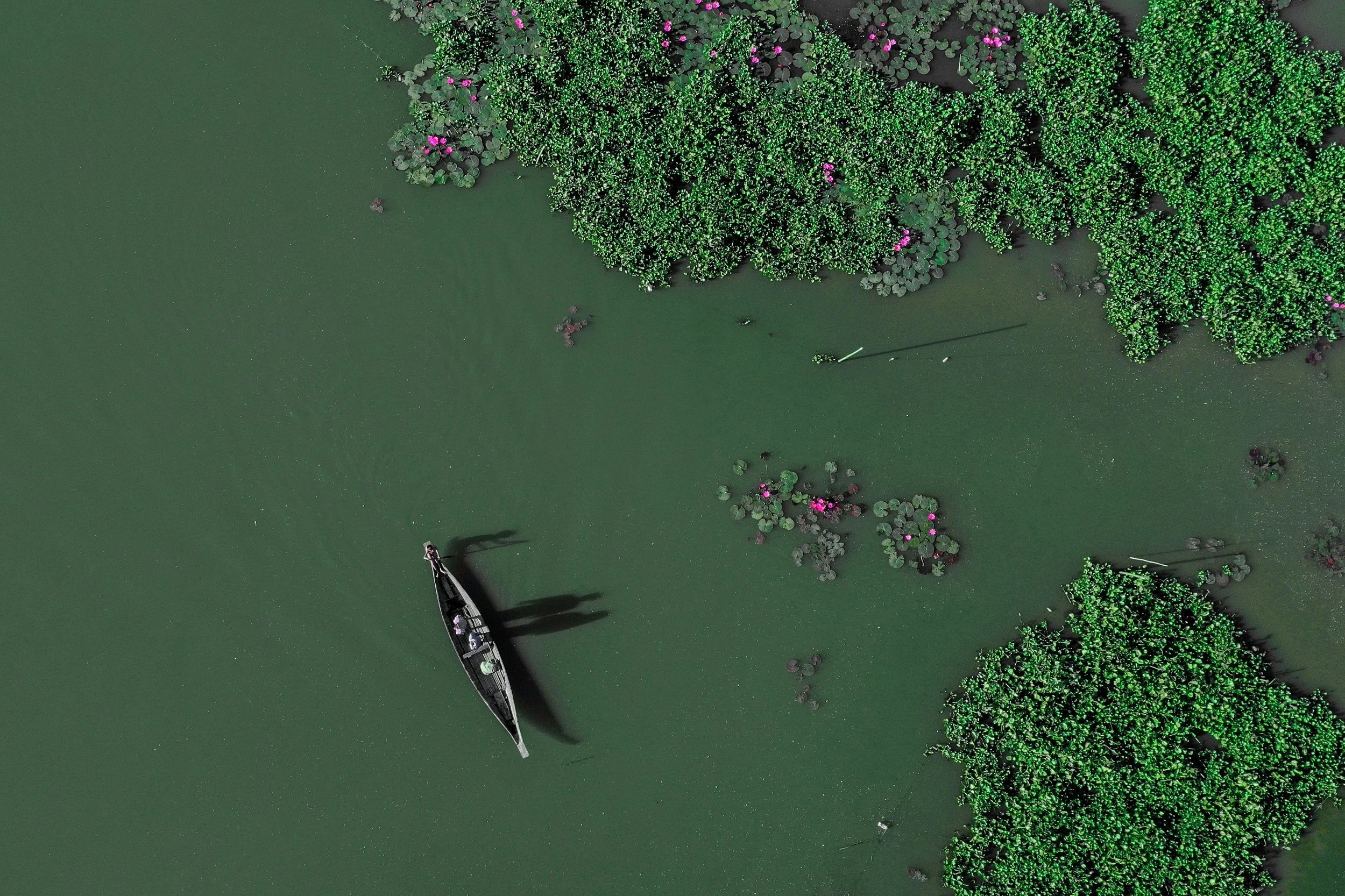
Banner photo: Illustrative picture by Zayed Ahmed Zadu.


Small pelagic stocks are shared across West African waters, yet their management remains largely national. In this article, the author argues that stronger regional management is not simply a matter of better policy or voluntary cooperation: it also flows from existing obligations under international law. These obligations require coastal states not only to conserve shared stocks, but to cooperate on issues such as fishing capacity and allocation of access, implement agreed measures and hold one another accountable where national decisions undermine a shared resource. Drawing on recent examples from West Africa, the article shows why effective regional governance is essential if national conservation efforts are to succeed.