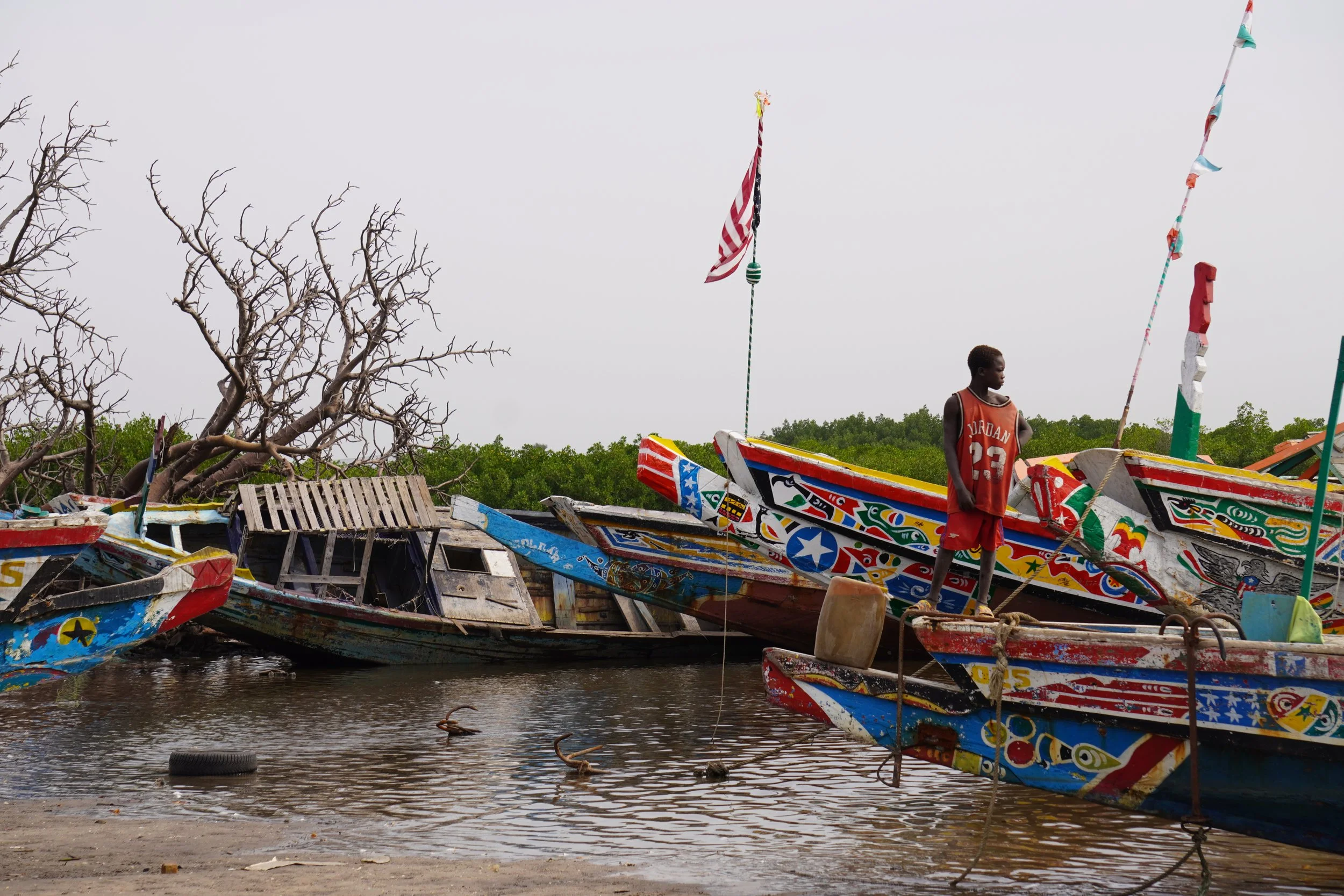
“One of the leading causes of the scarcity of fish is the rising of sea temperatures, which forces us, fishers, to extend fishing outings and spend more on fuel and ice”, says Mamadou Dieye, aka Diebesek, a pirogue captain, who has witnessed how global warming has been affecting fishers’ working conditions over his 20-year career.
Such individual experiences reflect broader trends: the combined pressures of rising seas, extreme weather, and collapsing stocks are shaping new realities and threatening the livelihoods of small-scale fishing (SSF) communities in the Gambia. The country is among those most at risk from rising sea levels, as nearly 50% of its territory lies less than 20 meters above sea level, and its coastline is subject to rapid erosion. In this West African country, 185,000 people live less then one kilometer of the coast; the effects particularly impact the population living in coastal areas, especially SSF communities.
1. Gambian coastal communities at the forefront of climate change
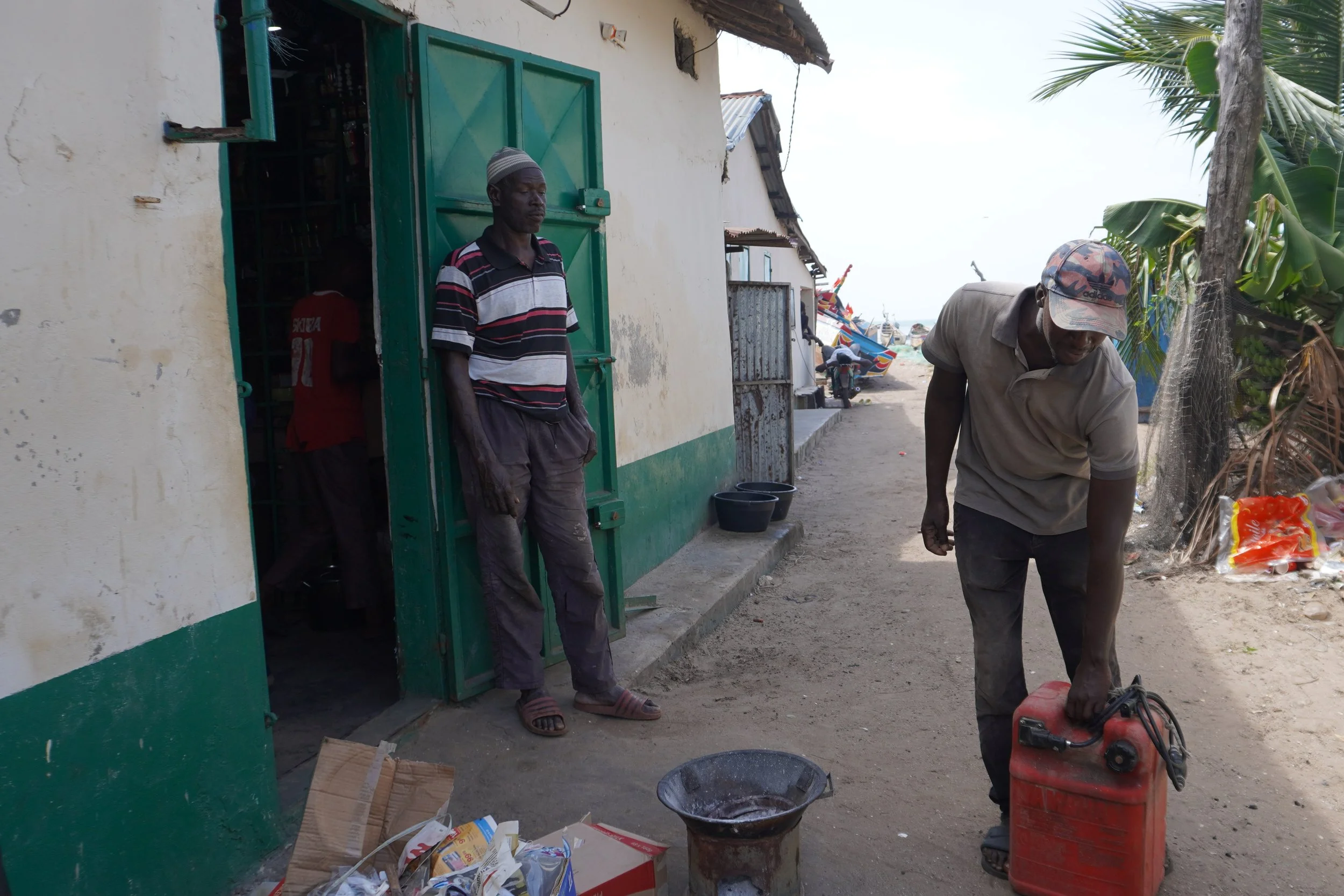
Located on the Southern part of the country, the Gunjur landing site is no exception. We are 400 meters from the shore, surrounded by tables where the fish is being sun dried. Salif Ndure, a fisher since age 15, explains how the sea intrudes more and more frequently inland all the way up to the drying tables which “prevents the fish from drying properly”. Over the years, Mr. Ndure has also noticed extreme weather events, such as “stronger winds and waves that increasingly tangle the nets, making catches harder to secure”.

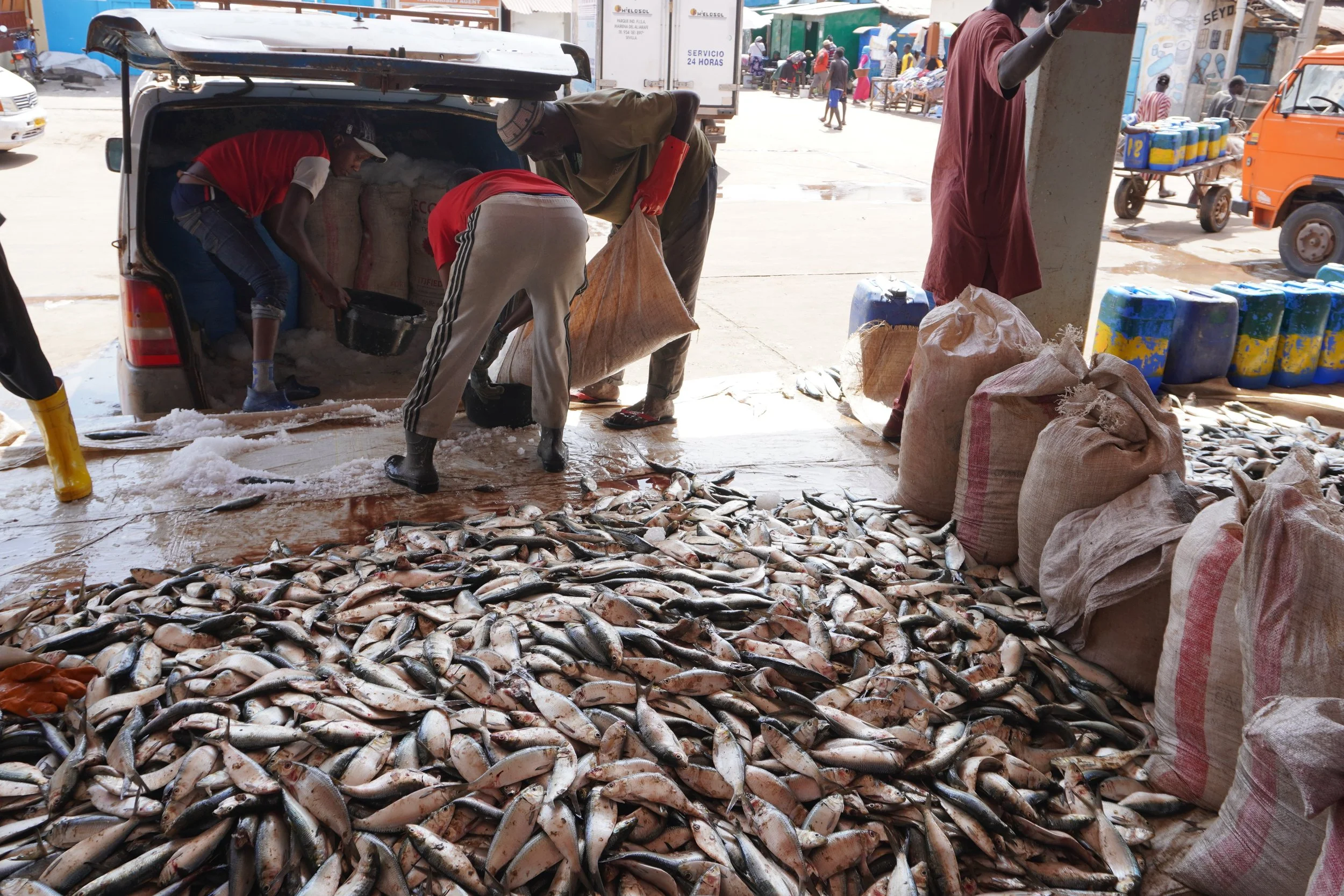
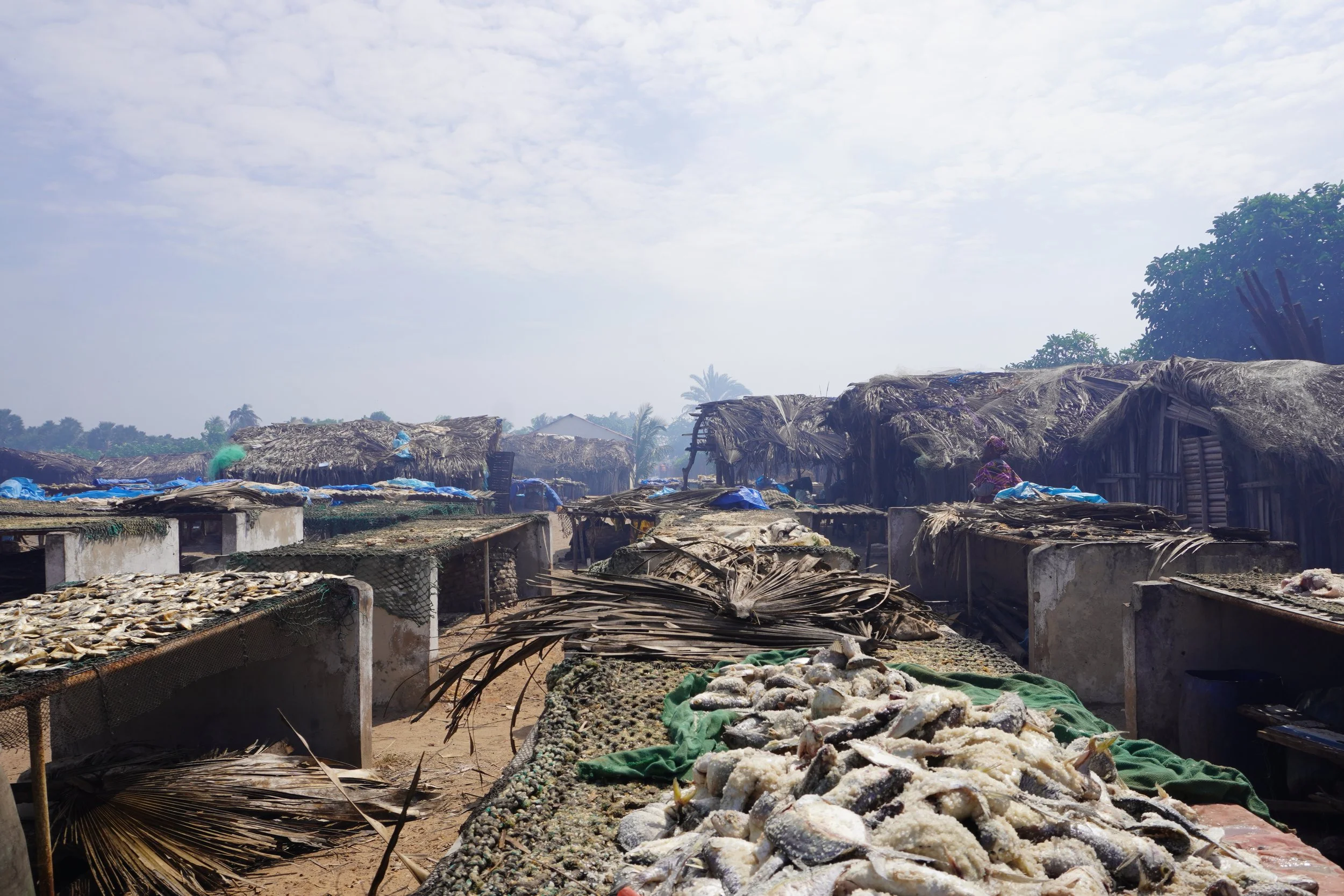
Other fishers report similar changes. Mamadou Dieye, a Senegalese pirogue captain with more than 20 years at sea, also testifies how the stronger winds and sea surges increasingly threaten fishers’ lives. However, he adds that he has been “trained in understanding weather forecasts and reading currents at sea” which he thinks should be more widespread among pirogue captains to ensure safety for all fishers on board. Mr. Dieye attributes these changes to global warming: “The cold season doesn’t bring the abundance it once did, as the water no longer has time to cool down.”
A 2025 ICSF study points out that the increases in water and surface temperatures cause “reduced or negative fish growth capability, slow reproduction” and when combined with pressure from illegal, unreported and unregulated (IUU) fishing can lead to “some fisheries to collapse, citing continued downward trends in demersal fisheries.” Addressing these overlapping threats therefore requires management strategies that reduce endangered-species bycatch and more effectively prevent IUU fishing.
“Nowadays, extreme weather events at sea are more frequent. To ensure safety on board for all fishers, pirogue captains should follow trainings in marine forecasts.””
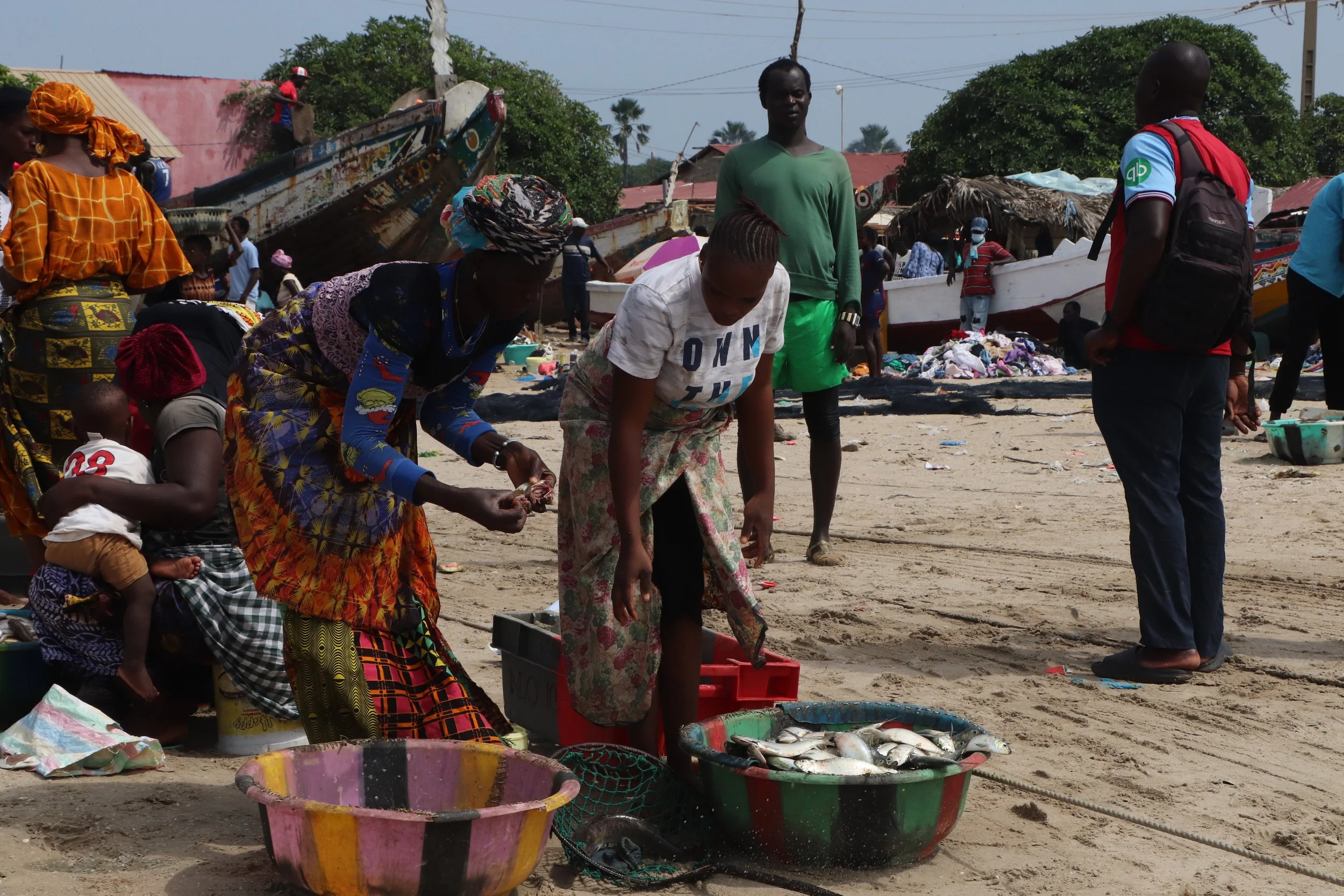
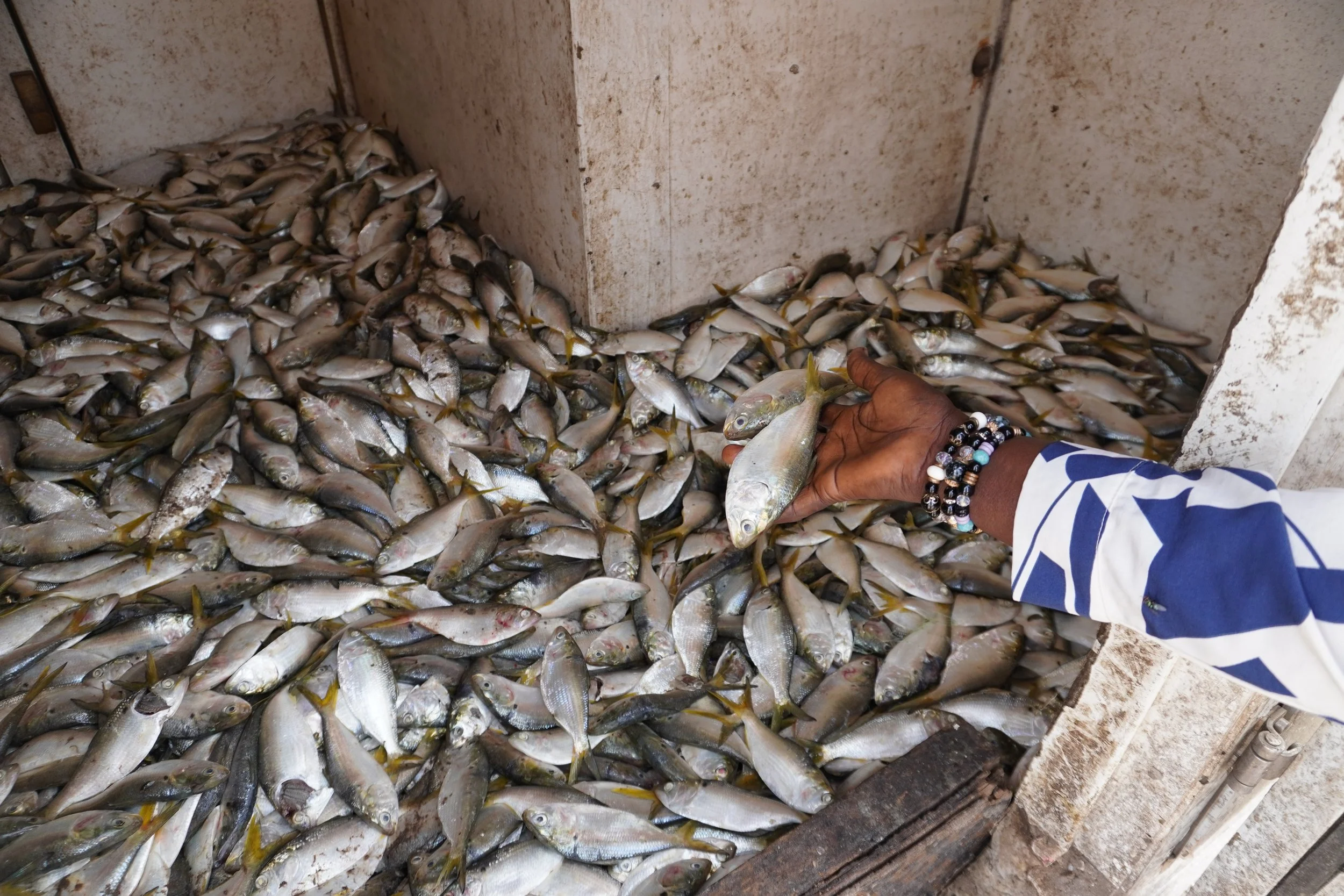
Fishers indeed unanimously agree on reduced fish stocks. Mr. Dieye continues: “Before, a 12-hour trip was enough. Now I have to spend longer hours at sea and travel further.” Fatou Choye Pierre, a fishmonger and President of the National Association of Artisanal Fisheries Operators (NAAFO) in The Gambia, adds that “five years ago, 7 to 8 miles were sufficient for fishers to return with a full load; today, they often go up to 12 miles and still face uncertainty.” These longer trips at sea require more fuel and ice, cutting directly into profits, and some fishers have to borrow money from their family to prefinance fishing outings. Ms Choye highlights that the scarcity of fish has caused some fishers to turn to catching smaller, juvenile fish to avoid returning empty-handed, a strategy that fuels a vicious circle that threatens future stocks by preventing fish from reproducing.
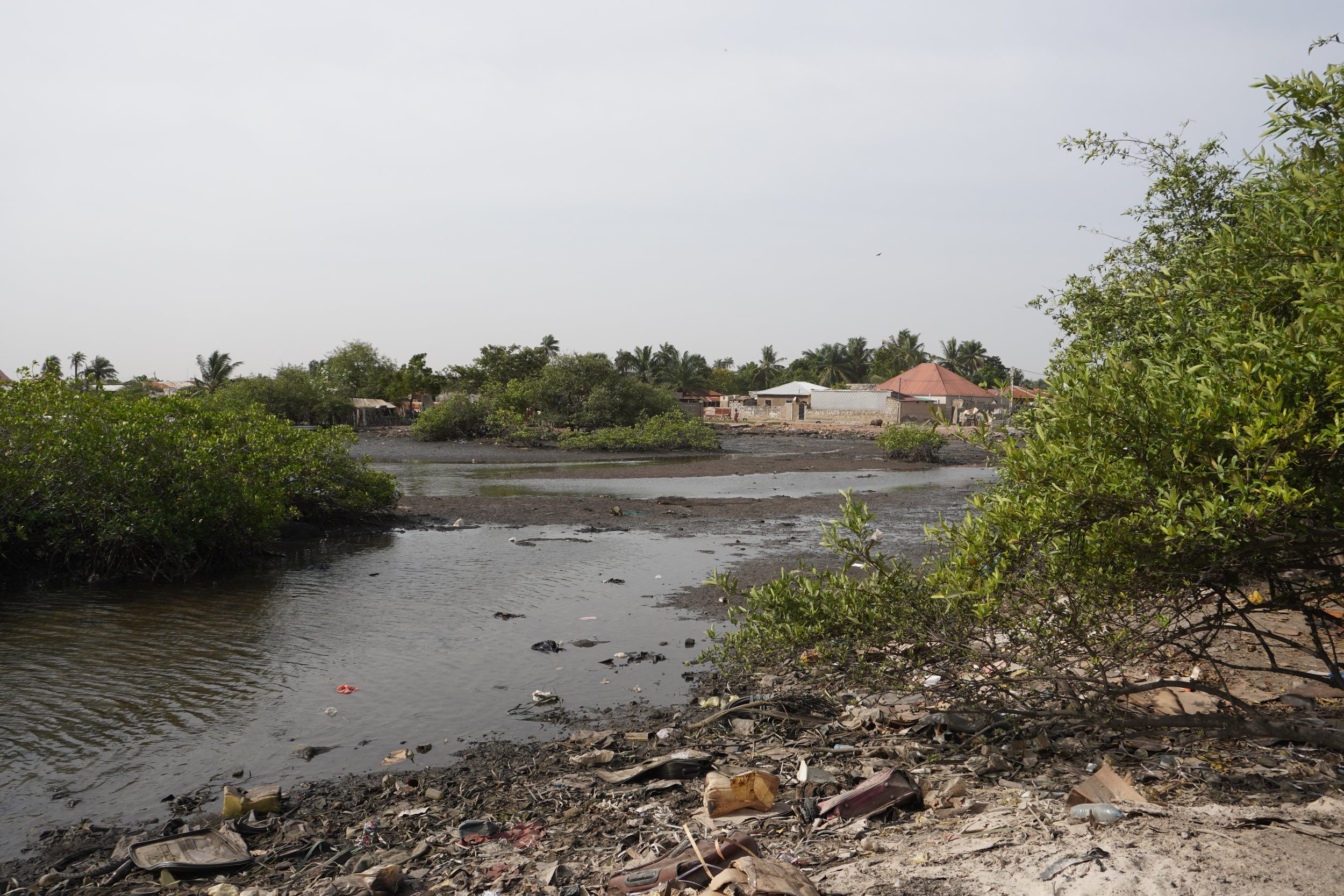
In Old Jeshwang landing site, located in the bend of a river less than a kilometer away from the coastline, Fatou Choye and Mariama Jeng show us how the river has receded over the years due to a shorter rainy season and sedimentation. The two women explain that this has forced fishers to offload fish several dozen meters from the water’s edge, adding strain and increasing the risk of post-harvest losses.
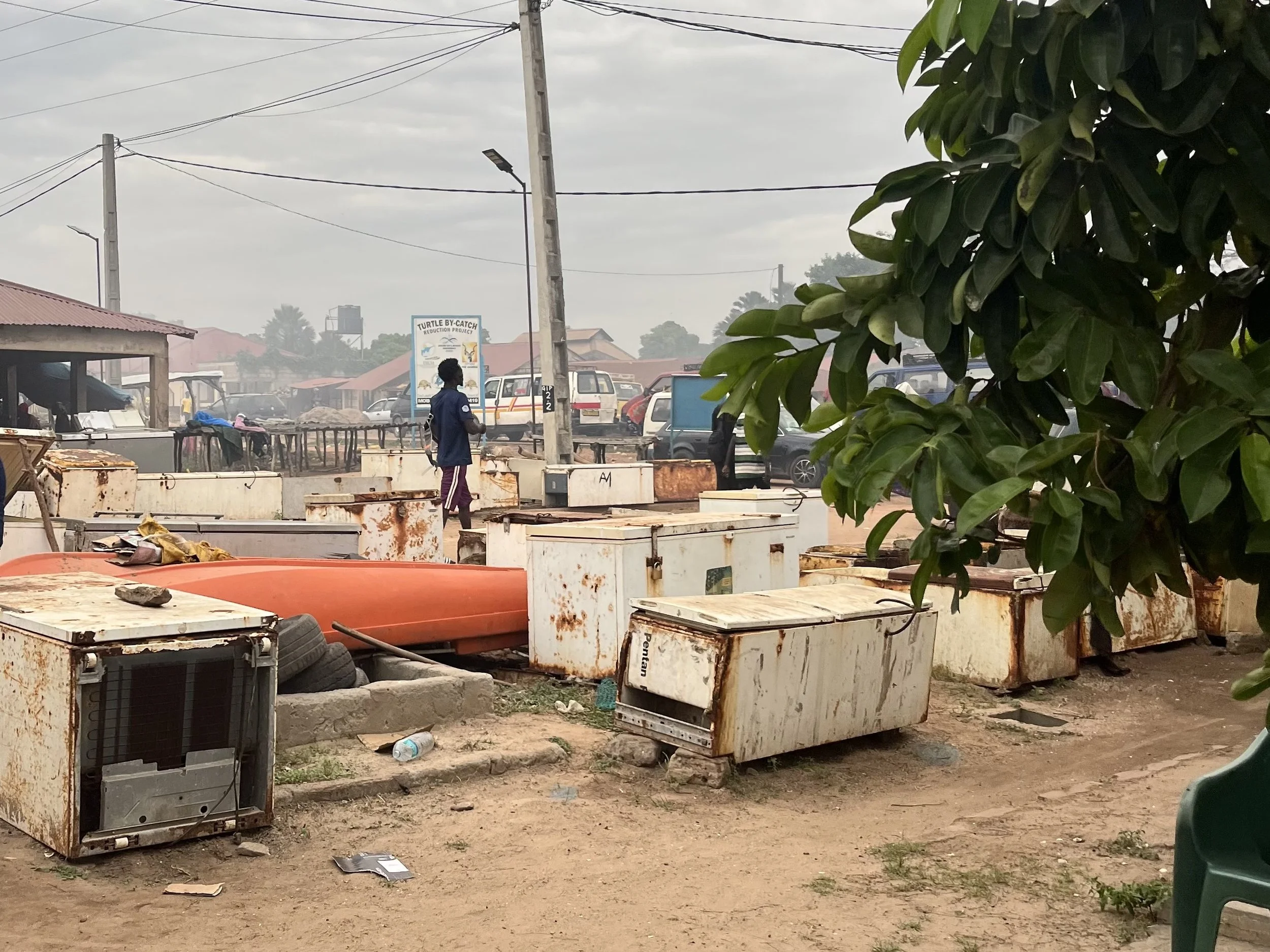
The ICSF study stresses that in Gambia “post-harvest losses remain very high, reaching around 20 percent especially in peak seasons, owing to gaps in landing site infrastructure, potable water and sanitation, and, above all, an incomplete or unreliable cold chain.” When fish resource is less and less available, the preservation of fish is something to work on. In Old Jeshwang and Gunjur landing sites, for example, most cold storages are generally old and rusty and are usually not connected to electricity, meaning fresh fish can be kept fresh for a day, but it cannot be frozen. “When fish are scarce”, regrets Ms. Jeng, “processors must travel to other sites like Tanji to maintain supply.” A recurrent request from SSF communities is to develop energy-powered cold storage, such as solar fridges, to preserve fish longer, which results in less losses and a more stable income.
2. Community adaptation to climate change
The experiences shared by fishers and processors in Gunjur and Old Jeshwang make clear that climate change is already reshaping livelihoods, ecosystems and the sustainability of the Gambian small-scale fisheing sector. As catches decline, trips grow longer, and coastal erosion and extreme weather intensify, strengthening the resilience of fishing communities becomes urgent.
Yet, despite these challenges, fishers and women processors are implementing strategies to mitigate the effects of climate change. Pap Jatta, who works at Gunjur’s Fisherfolks Association, explains that “local environmental associations have dedicated efforts to planting coconut trees along the Gunjur coastline to reduce erosion”, adding that “because young trees often fail to grow durably, they need to be replanted over several years.” Mr Jatta adds that his association has led campaigns to “discourage people from collecting shells, as they help stabilize the beaches”. There are also other initiatives exists to rejuvenate mangrove forest.
To limit post-harvest losses, women fish processors repurpose fish scraps with dry fish scales being used as chicken feed or as fertilizer for agriculture. In a previous article, CFFA reported that women from Liberia, Sierra Leone, Tunisia, The Gambia, Mali and Nigeria have collectively agreed to stop buying and processing juvenile fish, illegally caught by artisanal fishers. They argued that “illegal fishing and poor resource management was adversely impacting their activities”.
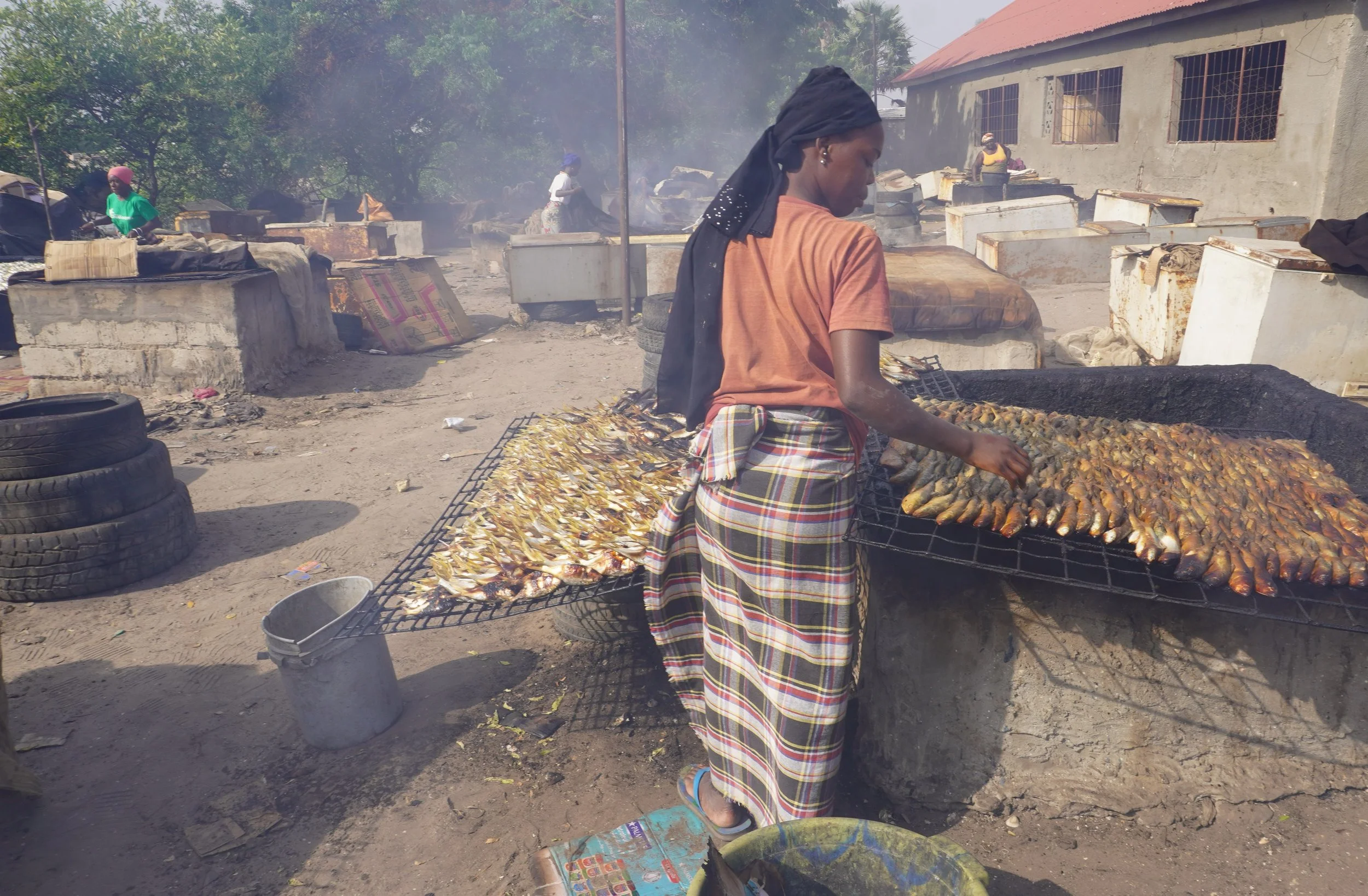
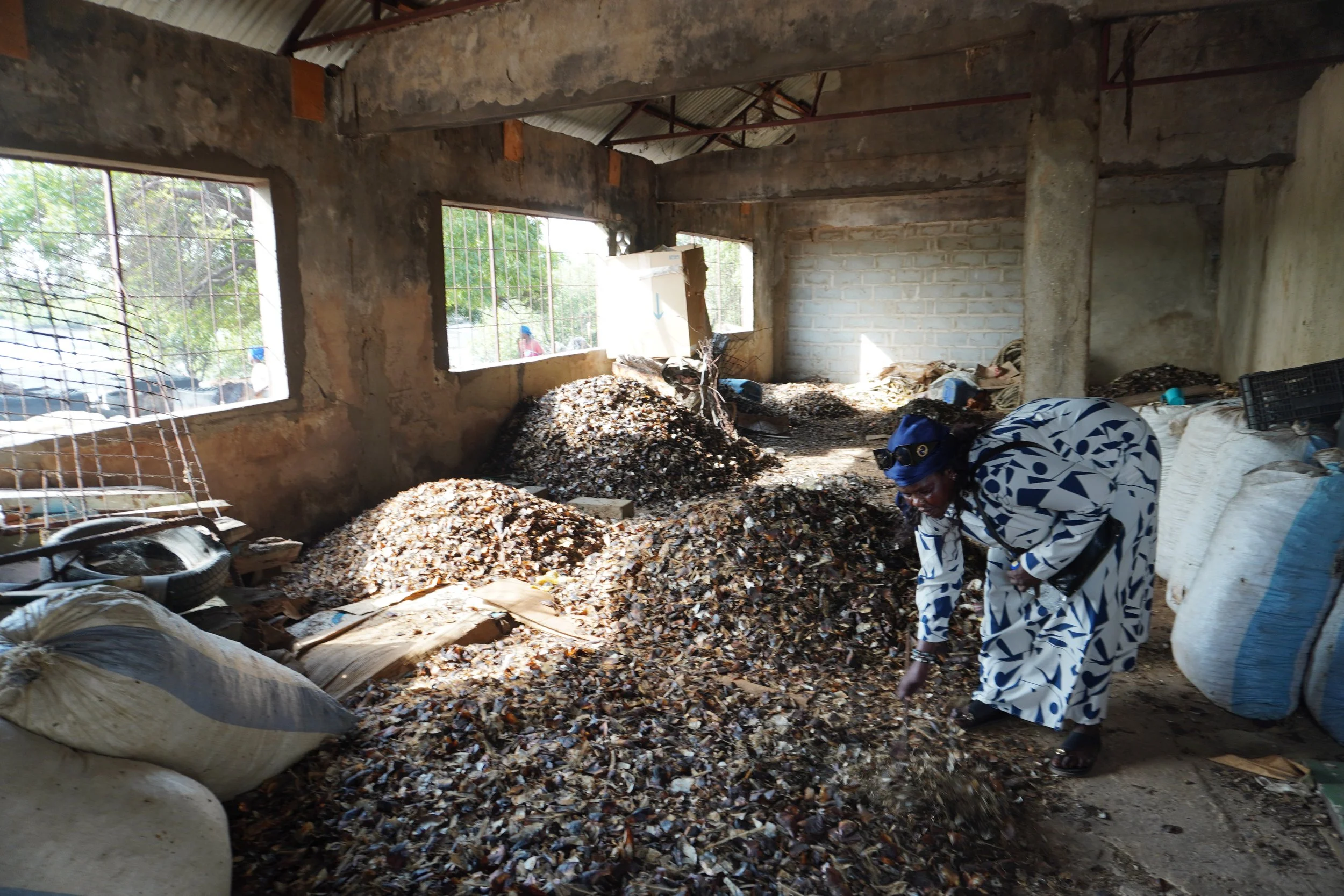
The government has also taken action, explains NAAFO president Ms. Choye, by implementing a closure of night fishing from May to October, which helps with the renewal of fish stocks. Similarly, several subregional organizations, in particular the Subregional Fisheries Commission (SRFC), which The Gambia is part of, and the Fisheries Committee for the Central West Gulf of Guinea (FCWC), are working to strengthen coordinated measures between neighboring countries, such as the establishment of harmonized biological rest periods. However, prior to implementing such closure periods, the government should consult SSF communities to mitigate their negative consequences, such as lower income and worsened living conditions.
The ICSF study also highlights that “fishers and fishing communities have limited capacities—of knowledge, financial and technical resources, (…)—to ensure or put in place transformative strategies to address the many challenges of climate change.” For this reason, it is essential that financial support by the government and by the international donor community should also be part of the equation. The study recommends that SSF communities should have readily available access to affordable adaptation strategies, such as mangrove restoration, along with financial support like credit opportunities to mitigate the impacts of climate change. Local communities should also be fully supported and recognized as legitimate stakeholders in co-managing all matters related to climate risks.
Header photo: A fisher is preparing a pirogue before a fishing outing in Old Jeshwang landing site, The Gambia, by Margaux Rochefort.
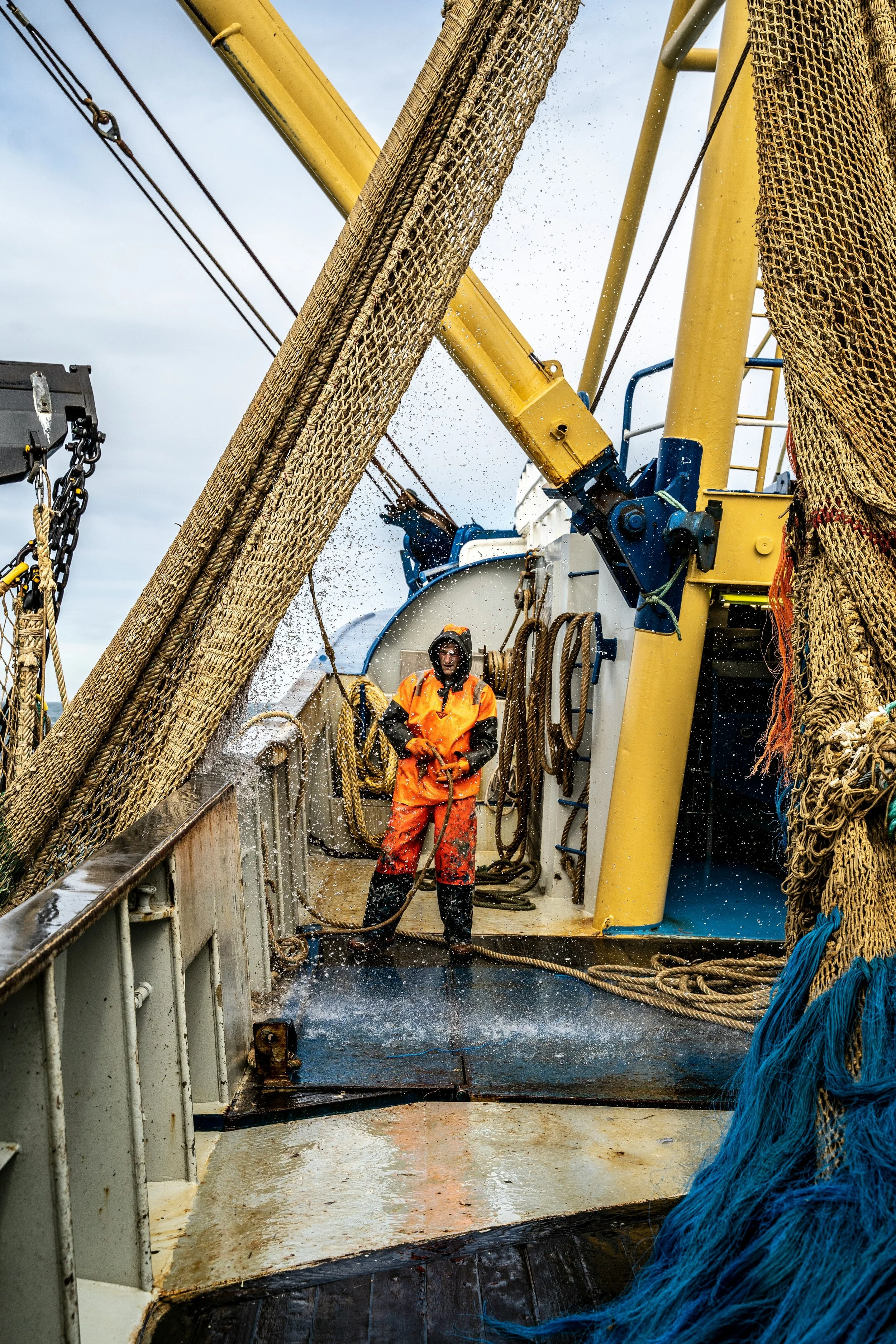


Small pelagic stocks are shared across West African waters, yet their management remains largely national. In this article, the author argues that stronger regional management is not simply a matter of better policy or voluntary cooperation: it also flows from existing obligations under international law. These obligations require coastal states not only to conserve shared stocks, but to cooperate on issues such as fishing capacity and allocation of access, implement agreed measures and hold one another accountable where national decisions undermine a shared resource. Drawing on recent examples from West Africa, the article shows why effective regional governance is essential if national conservation efforts are to succeed.