
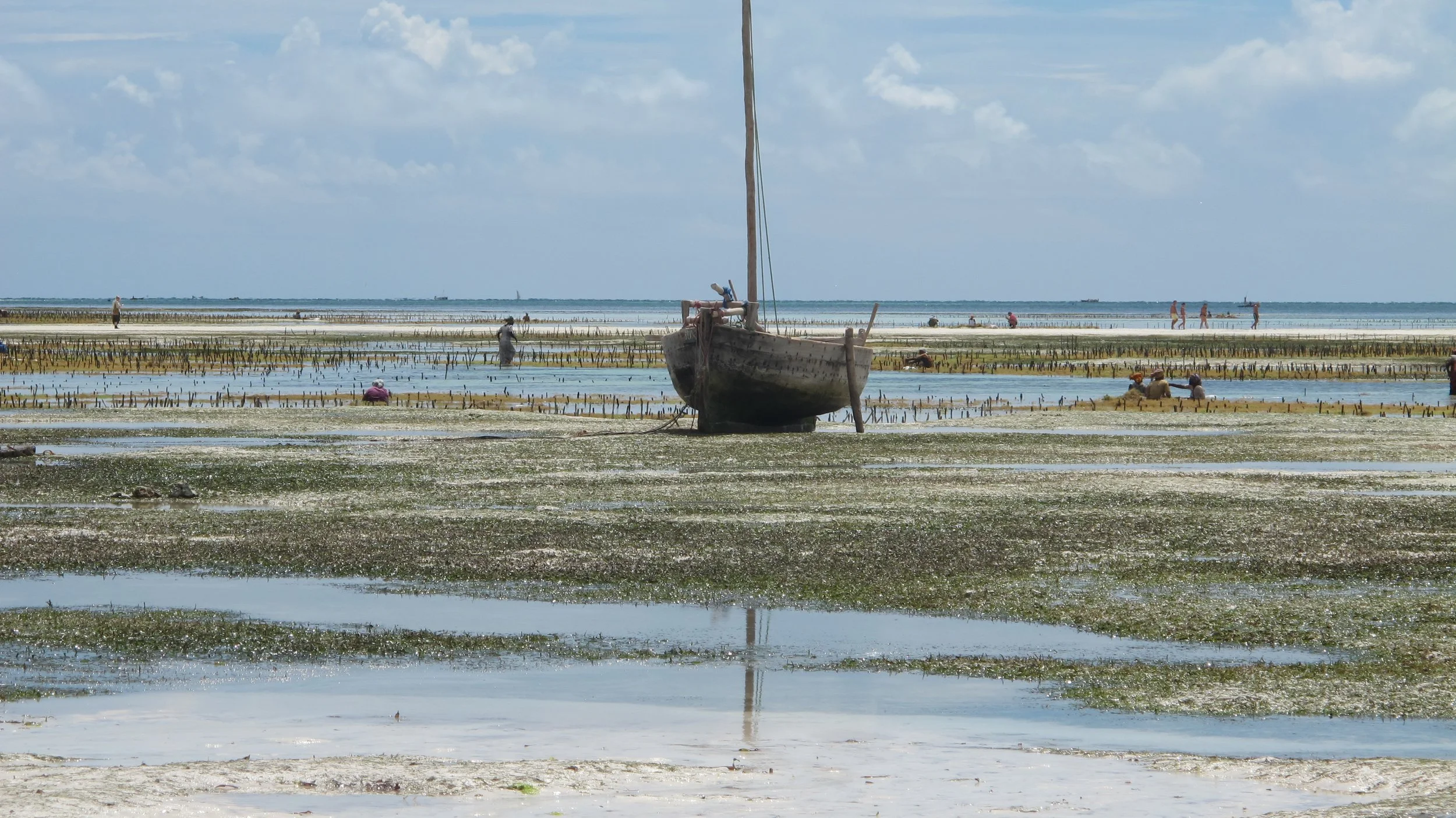
Small-scale fisheries account for more than half of tuna catches in some parts of the Indian Ocean, according to a recent paper presented to the Indian Ocean Tuna Commission (IOTC).
This finding challenges the popular perception that tuna fisheries are dominated by industrial purse seiners and longliners. While large industrial fleets remain highly visible in regional fisheries management, the paper argues that small-scale tuna fisheries play a greater role in the region than what is commonly recognised.
The paper highlights that, in many coastal developing States bordering the Indian Ocean, small-scale fisheries provide food, employment and livelihoods for thousands of coastal families. Yet within the IOTC, the regional body responsible for managing tuna and tuna-like species, small-scale fisheries often remain poorly defined and insufficiently visible.
As the IOTC continues to debate issues such as access allocation systems, management measures and the future of tuna fisheries governance, the question is no longer whether small-scale fisheries should be recognised, but how.
A major sector hiding in plain sight
When people think about tuna fisheries in the Indian Ocean, they often picture large purse seiners, industrial longliners and distant-water fleets operating across vast ocean areas. These fleets undoubtedly play an important role in the fishery; however, they represent only part of the picture.
Across countries such as Madagascar, Comoros, Tanzania, Kenya and Mozambique, thousands of small-scale fishers harvest tuna and tuna-like species using handlines, gillnets and other relatively low-impact fishing methods. Their catches supply domestic and regional markets, contribute to food security and sustain coastal economies.
The problem with definitions
One of the paper's central arguments is that the IOTC currently lacks a clear and universally accepted definition of small-scale fisheries.
Existing classifications can group together fisheries that are fundamentally different. Vessels considered small-scale under some criteria may in reality be relatively large commercial operations that bear little resemblance to artisanal fishing activities. At the same time, genuinely small-scale fisheries may remain statistically invisible because their catches are not adequately monitored or reported. Such an approach underestimates the sector's contribution to employment, food security and local economic development.
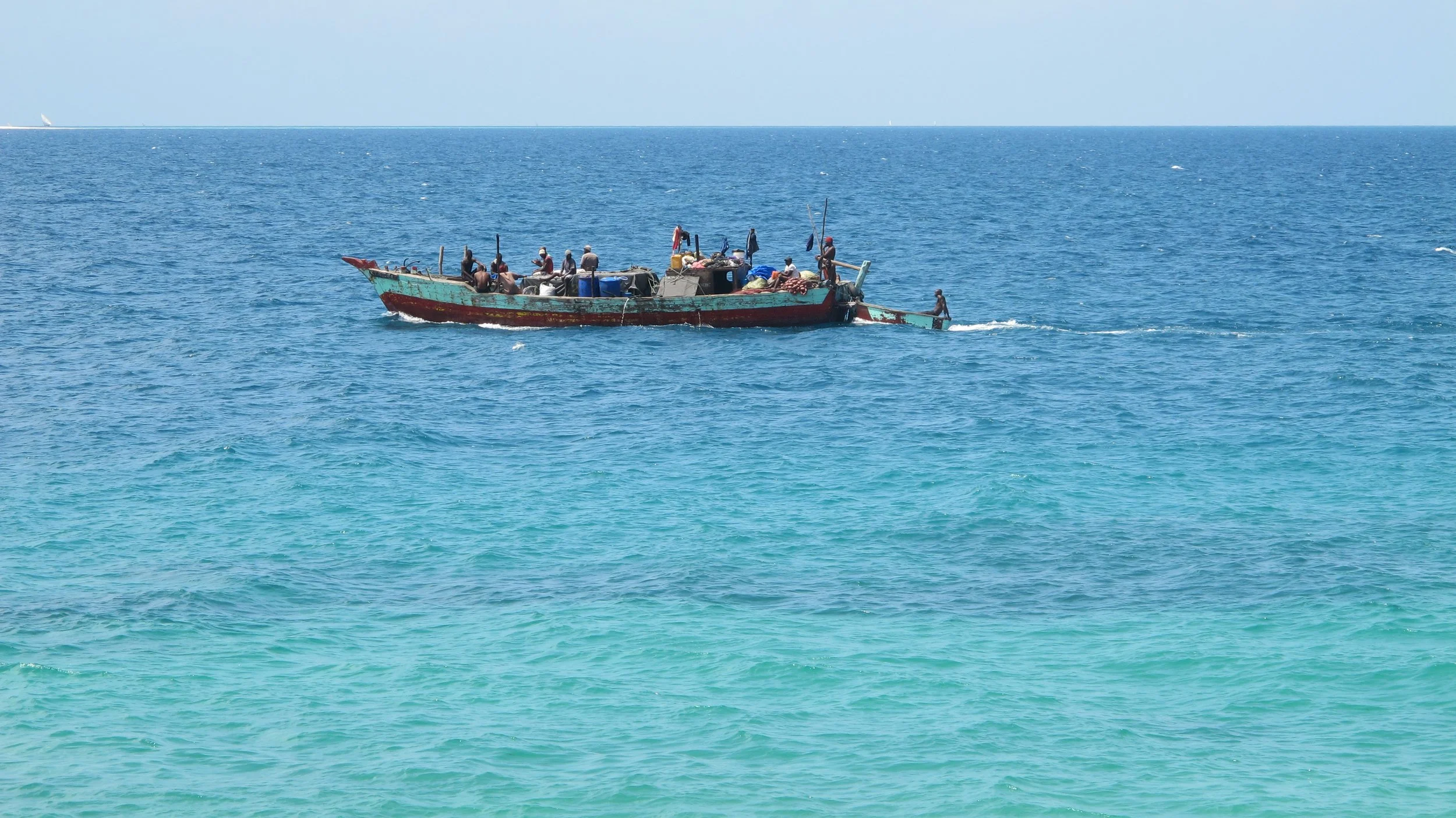
To ensure that small-scale tuna fisheries are better recognised within the IOTC’s quota allocation system, the definition of small-scale fisheries should not be limited to vessel size, gear type and engine power, but should also reflect social, economic and cultural dimensions. Photo: fishermen in Zanzibar, by Sara Fröcklin.
The authors therefore call on the IOTC to adopt a more meaningful definition based not only on vessel size, but also on operational characteristics such as fishing range, level of investment, links to local communities and dependence on fisheries for livelihoods.
These concerns echo those raised by small-scale fishers organizations and CSOs during the last Committee on Fisheries. For them, small-scale fisheries should not be defined solely according to vessel size, gear type or engine power. Drawing on the FAO Voluntary Guidelines for Securing Sustainable Small-Scale Fisheries (VGSSF), they argue that definitions should also reflect social, economic and cultural dimensions, including local ownership, family labour, community embeddedness, dependence on fisheries for livelihoods, and the central role played by women throughout fisheries value chains.
How the IOTC defines small-scale fisheries will influence who is counted, whose catches are recorded, whose interests are considered in management discussions, and ultimately who benefits from future policy measures. This matters particularly because the IOTC is increasingly discussing access allocation systems, where visibility in fisheries statistics often determines who receives future fishing opportunities.
If genuine small-scale tuna fisheries remain poorly defined or insufficiently documented, future allocation systems are likely to favour those fisheries that are already visible in official statistics and recognised within management frameworks. On the contrary, a definition rooted in the realities of fishing communities, taking into account its multiple dimensions, would provide a stronger basis for improving data collection, recognizing historical and current participation, and ensuring that future allocation arrangements contribute to equity as well as sustainability.
Why better recognition matters
The importance of this discussion goes beyond statistics. The paper notes that small-scale fisheries play a particularly important role in catches of several neritic tuna species, species that are generally found closer to shore and are especially important for coastal communities.
Beyond their contribution to catches, many small-scale tuna fisheries generate significant social and economic benefits. Compared with industrial fleets, they often create more employment per tonne of fish landed, supply domestic and regional markets that are critical for food security, and support a wide range of livelihoods along fisheries value chains, including for women involved in processing and trading. Many also rely on relatively selective and low-impact fishing methods, resulting in a smaller environmental footprint than some industrial fishing operations.
Better recognition of small-scale fisheries could help improve monitoring, strengthen management measures and ensure that the realities of artisanal fisheries are considered in decision-making processes. It could also help address a longstanding imbalance in fisheries governance, where discussions often focus on industrial fleets because they are the sectors for which data are most readily available.
Recognition should lead to rights
While the IOTC paper focuses primarily on definitions and visibility, it also raises a broader question: what should happen once small-scale fisheries are properly recognised?
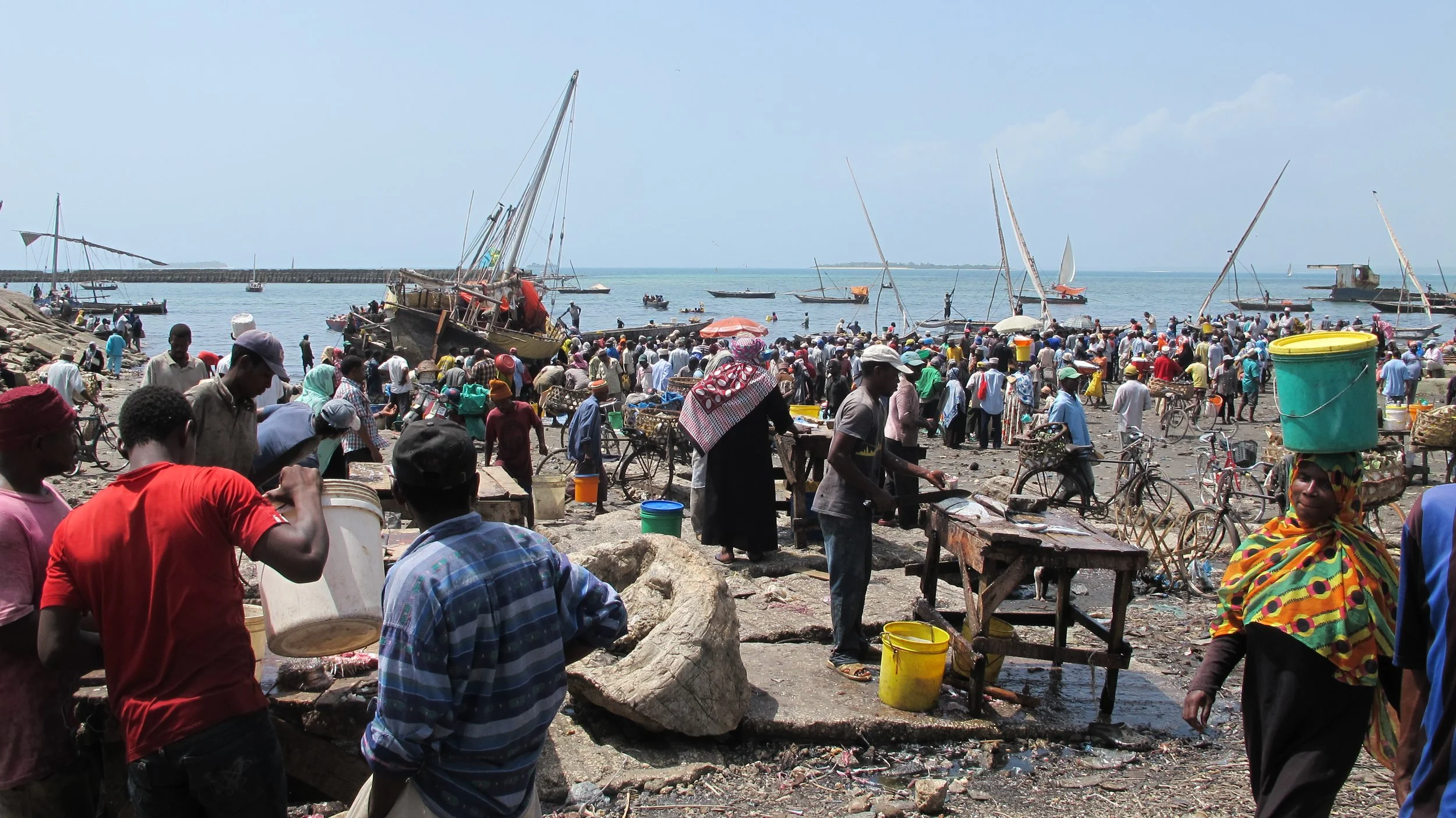
Accounting for up to 50 per cent of catches of tuna and tuna-like species in some regions of the Indian Ocean, small-scale fisheries should be given greater recognition in IOTC statistics to ensure that their contribution to food security, employment and local economic development is fully reflected in future resource allocation systems. Photo: landing site in Zanzibar, by Sara Fröcklin.
Recognition matters because it influences access to resources. As the IOTC increasingly discusses allocation systems for tuna fisheries, the contribution of small-scale fisheries should be reflected not only in statistics but also in decisions about who benefits from fishing opportunities.
For CAOPA and CFFA, access allocation systems in RFMOs should not rely exclusively on historical catches. Such approaches tend to favour fleets that already possess the greatest fishing capacity and the most complete reporting systems, while overlooking the contributions of coastal fishing communities. Instead, allocation frameworks should also consider broader social, economic and environmental criteria, including food security, employment, local value addition, sustainable fishing practices and national development objectives. Otherwise, allocation systems risk perpetuating historical inequalities rather than supporting the equitable and sustainable development of tuna fisheries.
This approach is consistent with the FAO VGSSF and with growing international recognition of the role that small-scale fisheries play in achieving food security and sustainable development. It would also help ensure that allocation systems reward those who fish most sustainably and generate benefits for coastal populations.
Ultimately, the debate initiated by the IOTC paper is not simply about how small-scale fisheries are defined. It is about whether their contribution to livelihoods, food systems and local economies will be recognised in the governance and allocation decisions that shape the future of Indian Ocean tuna fisheries
Looking ahead
The IOTC paper makes it clear that small-scale fisheries are not a marginal part of Indian Ocean tuna fisheries. In several countries they account for a substantial share of catches, employment and food security.
This finding challenges governance arrangements that have historically focused primarily on industrial fisheries and raises important questions about how representation, management measures and fishing opportunities are distributed within the IOTC.
The challenge now is to ensure that this reality is reflected in how these fisheries are defined, monitored and represented within the Commission. As discussions on allocation systems advance, recognition must translate into meaningful access and opportunities for fishing communities. Otherwise, the sector risks remaining visible in statistics but absent from decision-making.
Banner photo: Fishers gather shellfish at low tide in Zanzibar, by Sara Fröcklin.


Small-Scale fisheries make up to 50% of tuna catches the Indian Ocean, raising important questions about representation, access allocation in the Indian Ocean.