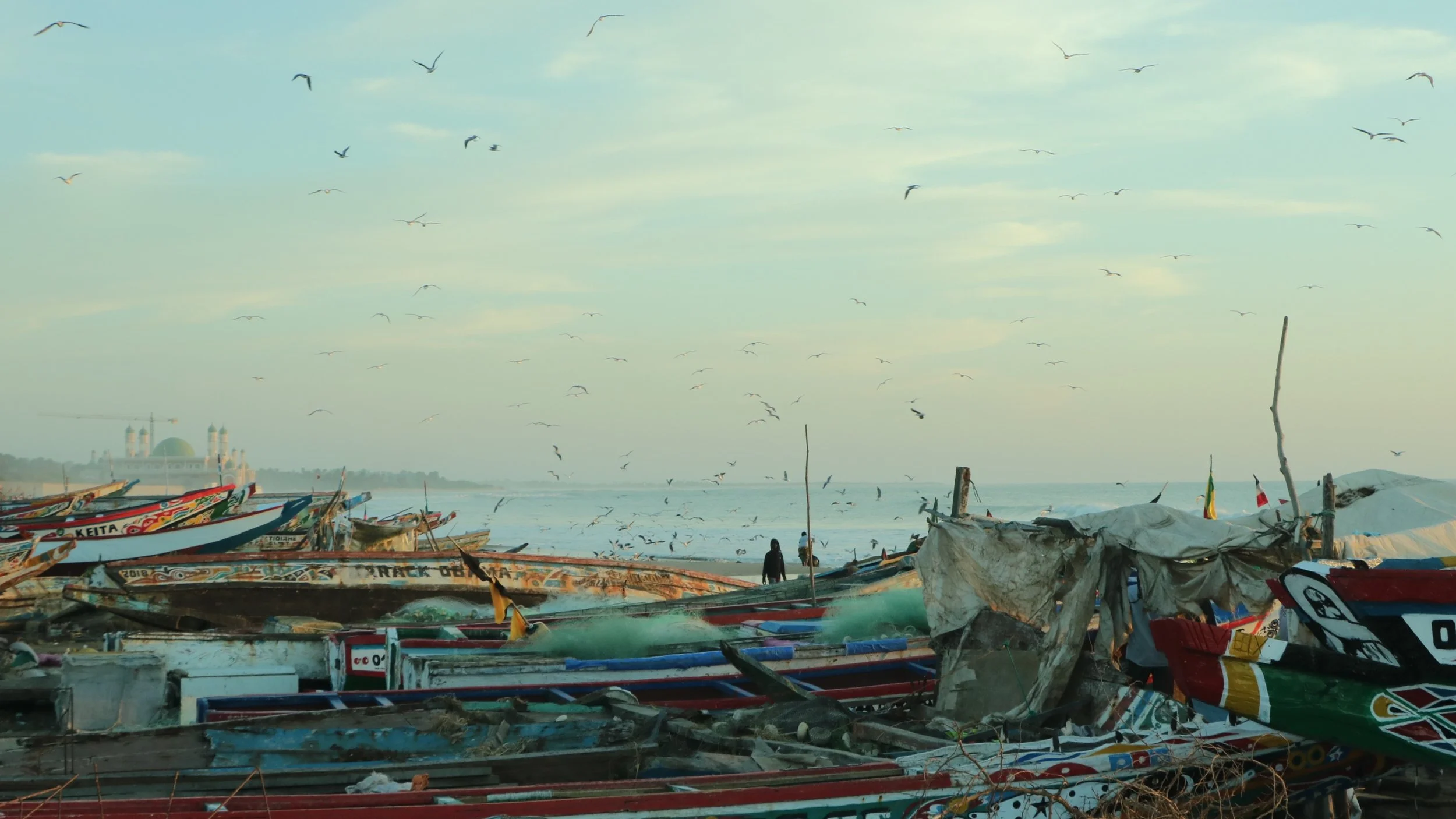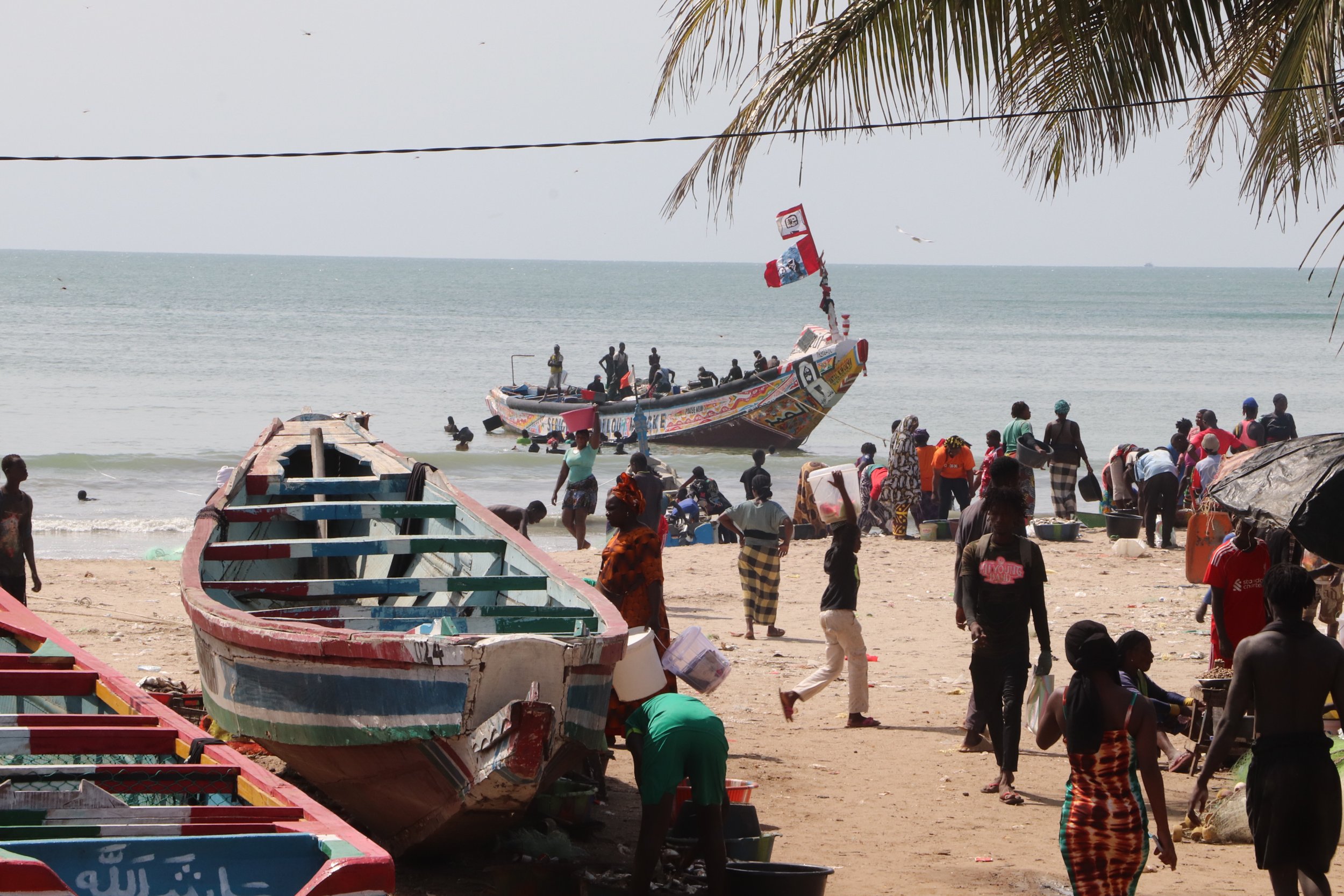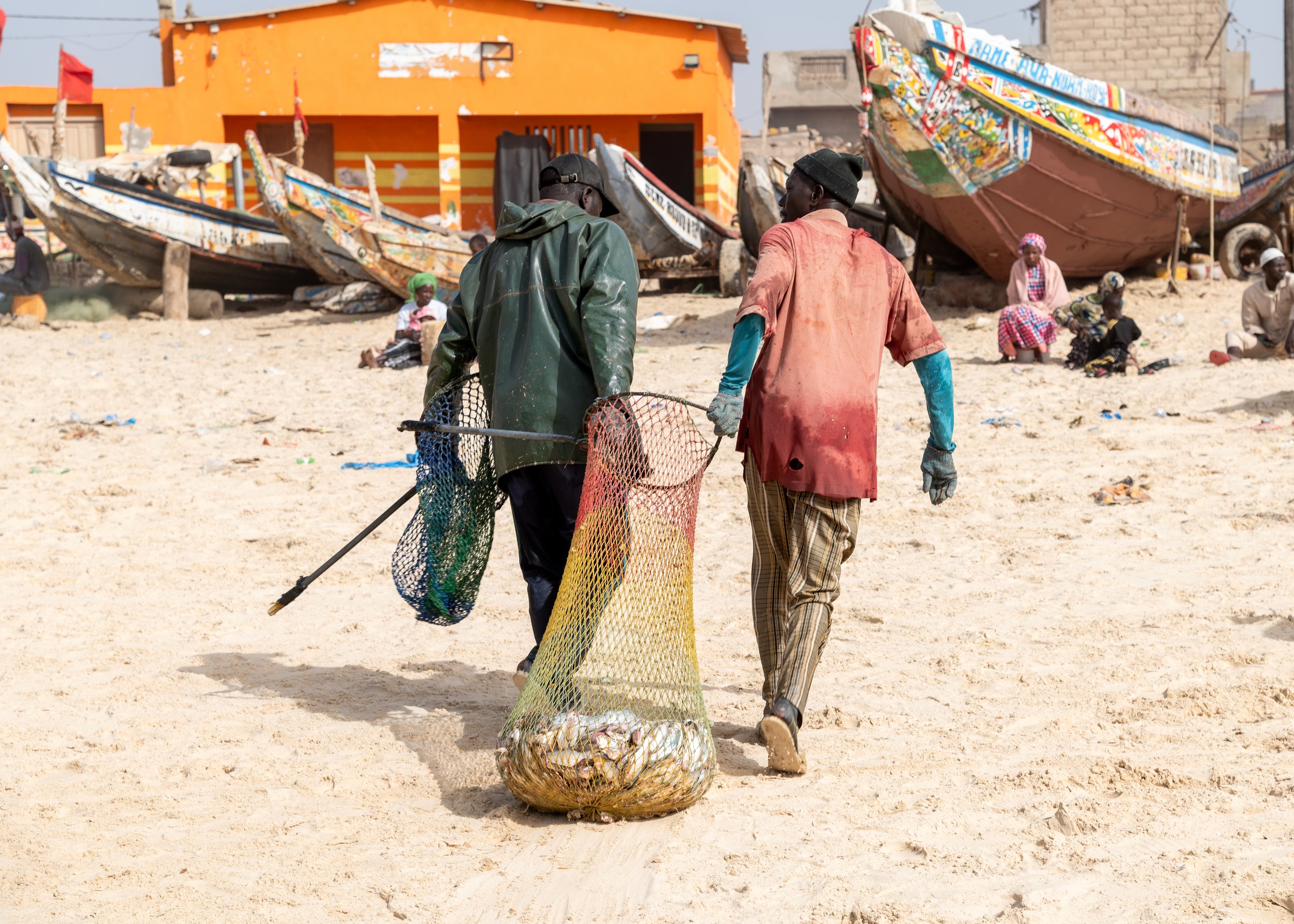

Guinea-Bissau has prohibited the production of fishmeal and fish oil. The objective is to safeguard national food security, preserve marine ecosystems, and protect coastal livelihoods, while supporting the sustainable regional management of shared fish stocks. The effectiveness of this decision will ultimately depend on robust enforcement and implementation.
Beyond the high seas: why the BBNJ Agreement matters for African artisanal fisheries
The BBNJ Agreement reshapes the governance of fisheries without imposing direct regulations: high seas MPAs could displace fishing effort into African EEZs, potentially increasing competition to access for small-scale fisheries. At the same time, the treaty legitimizes negotiated and community-based spatial management tools.
The blue sapphire anniversary of EU Fisheries Access Agreements: time for change?
A recent study in Nature Sustainability reviews 45 years of EU fishing access agreements with countries across Africa, the Pacific, and beyond. It shows how a small number of EU fleets have consistently captured the lion’s share of fishing opportunities and economic benefits, leading to lasting power asymmetries.
From Geneva to the African coast: connecting WTO rules on fishing subsidies with artisanal fishers’ realities
The ocean unites them: small-scale fisheries speak with one voice at UNOC 3
FiTI: a decade down, a sea of possibilities ahead
Ghanaian small-scale fishers will not be subject to closed season as new authorities focus on fighting IUU
European Ocean Pact: small-scale fisheries insist they are part of the solution
It’s a long way to mutual understanding: European and African stakeholders find common ground on fishing joint ventures
Costas Kadis: “the EU Ocean Pact will be a model of sustainability, good governance, and coherence”
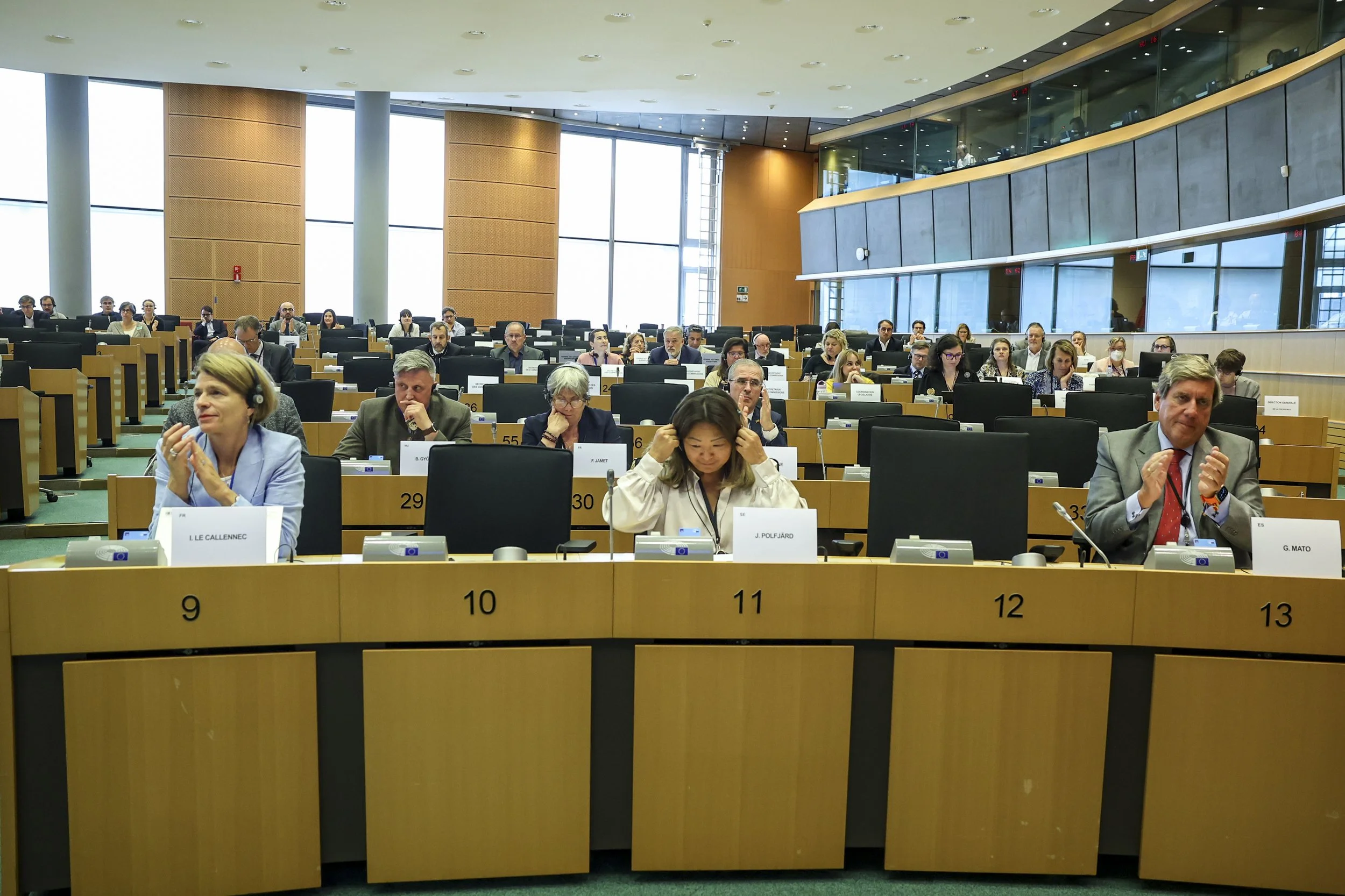
MEPs discuss international challenges to be addressed by EU fisheries and aquaculture policies
Senegal's exports of fishmeal and fish oil "explode"
Publication of the list of vessels authorised to fish in Senegal: "The fight for transparency in fisheries is only beginning"
Senegalese civil society outlines the challenges of the new president's programme for small-scale fisheries
Artisanal fisheries in the spotlight at the first FAO Sub-Committee on Fisheries Management
Back in 2022, African artisanal fishers asked that the implementation of the FAO guidelines on sustainable small scale fisheries be a standing item in the agenda of the new Sub-Committee and insisted it was essential to allow artisanal fisheries organisations to participate actively to its discussions.
“Small scale fishers play a central role for biodiversity conservation – this calls for recognition and support”, FAO is told
The message from African artisanal fishers to the FAO: "Sardinella should be reserved for small-scale fishers, for human consumption, not for fishmeal"
The FAO organised a workshop in Accra (Ghana) from 5 to 7 December on the theme: "Optimising food and nutritional security and the benefits of small pelagic species production in sub-Saharan Africa". In a joint presentation, CAOPA and CFFA warned of the impact of the decline in sardinella in West Africa on fishers, women fish processors and consumers.