

BY pieter van welzen, lawyer
Pieter van Welzen is a consultant lawyer at Thomson Wilks, South Africa. His doctoral dissertation from the University of Hamburg examined state responsibility under international law for illegal fishing activities. He is a member of the International Law Association (ILA) Committee on the Protection of Persons at Sea and collaborator of the Centro de Investigação & Desenvolvimento sobre Direito e Sociedade (CEDIS), Universidade NOVA de Lisboa. His current research focuses on the law of the sea, fisheries governance, labour rights at sea, and state responsibility.
Reading time: 25 minutes
Small pelagics are the backbone of food security in many West African states. They provide affordable animal protein, essential micronutrients, employment, and income for millions of people, particularly artisanal fishers, fish processors, and traders.
Women play a major role in the processing and marketing of these fish throughout the region. However, small pelagic fish resources are declining rapidly, resulting in food insecurity, loss of livelihoods, broader economic impacts, and ecosystem degradation. The causes of this crisis are well known: overexploitation by artisanal and industrial fishers, blue economy-related activities, fishmeal and fish oil production, climate change, and weak regional governance and management.
Several West African countries are actively taking measures to address the depletion of small pelagic fish stocks. However, small pelagics migrate across national boundaries, and conservation measures adopted by one state can easily be undermined by the actions or inaction of neighbouring states. The purpose of this article is to identify the obligations that West African states have to conserve small pelagics, both individually and regionally. It begins with a description of the circumstances that have led to the depletion of small pelagics, followed by an overview of the actions taken by various West African states and regional bodies to address the crisis. Subsequently, the article analyses the obligations that states have under international law regarding the conservation of small pelagics, including obligations arising from the law of the sea as well as more general obligations. Finally, it concludes with suggestions on how these obligations can be translated into more effective conservation measures.
1. Causes of depletion
The depletion of small pelagics results from various causes, most of which are within the control of West African coastal states.
A. OVEREXPLOITATION
One of the main causes of the depletion of small pelagics is their overexploitation. Overexploitation generally results from the cumulative fishing mortality generated by small scale, semi-industrial, and industrial fishing fleets exploiting the same stocks. Effective management of small pelagic resources therefore requires transparent decisions regarding the allocation of fishing opportunities among national artisanal fleets, national industrial fleets, and foreign fleets.
Under international law, a coastal state is entitled to fisheries resources in waters under its jurisdiction, such as the territorial sea and, where relevant, archipelagic waters. It also exercises control over fishing activities within its exclusive economic zone (EEZ). This means that the coastal state may determine who is permitted to fish within these maritime zones and what marine resources may be harvested from them. Consequently, where overexploitation occurs within these zones, it may in part be attributable to the coastal state’s failure to prevent such overexploitation.
To analyse the causes of overexploitation, it is useful to consider the different actors engaged in fishing activities within these maritime zones in the West African region. First, there are artisanal fishers who target small pelagics in order to meet local demand for protein and for whom fishing constitutes a primary source of livelihood. Moreover, these fishers are often at the centre of supply chains that generate employment and income for local communities. Their activities are typically concentrated in waters close to the coast. However, as fish stocks in these waters have declined, artisanal fishers increasingly operate further offshore in the EEZ. Coastal states can regulate the activities of artisanal fishers, including the species they may harvest, the areas in which they may fish, and the volume of catch that may be taken.
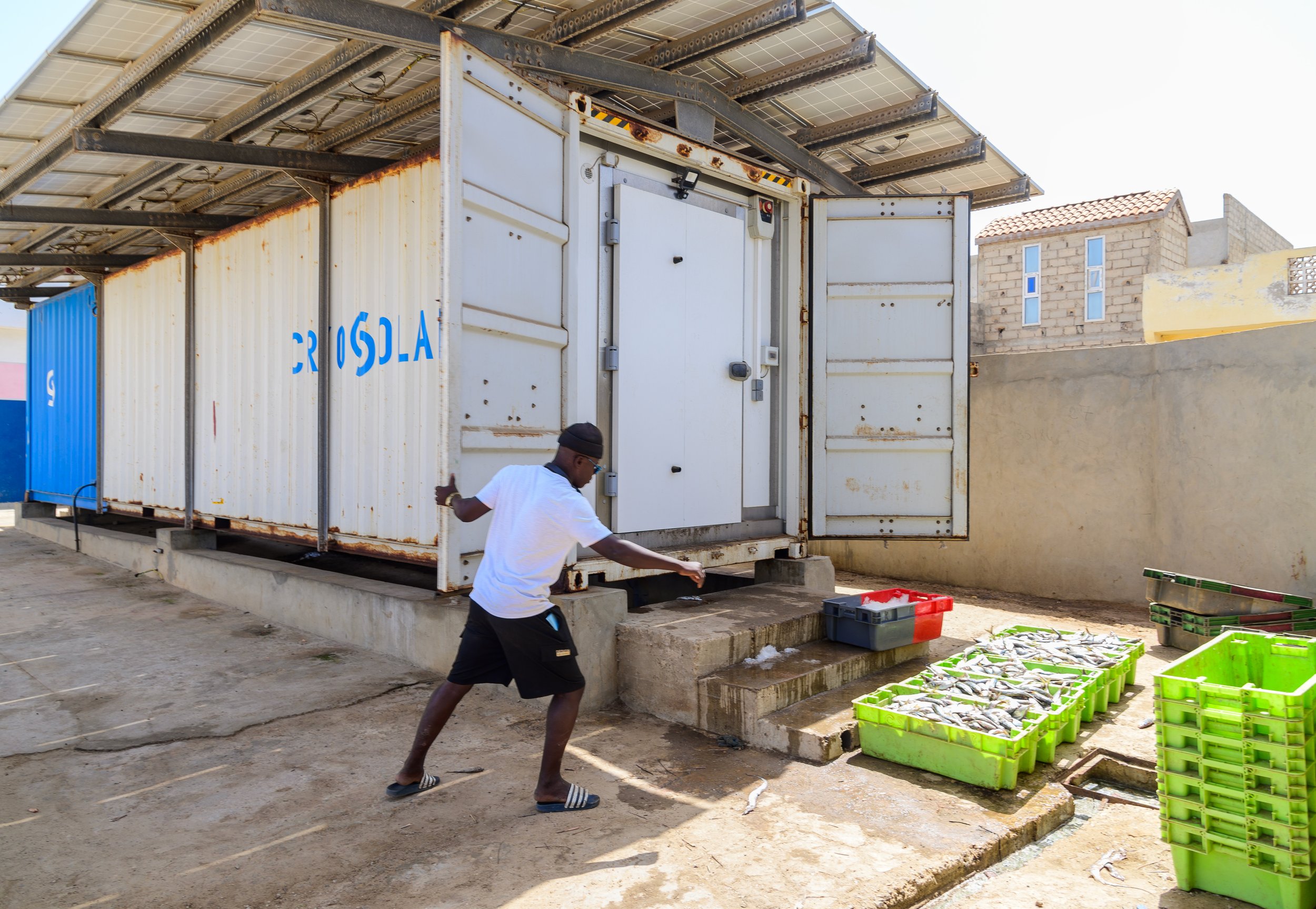
Local artisanal fishers have traditionally targetted small pelagics to meet local demand for fish. Small pelagics have constituted a source of food for regional populations as well as a livelihood for small-scale fishing communities in West Africa, from fishers to fish processors and marketers.
A second category consists of foreign-owned industrial and semi-industrial vessels, which typically operate within the EEZ under authorisation granted by the coastal state. The fish they catch may be destined for both domestic and foreign markets, including processing into fish-based products such as fishmeal and fish oil. A third category consists of fishers operating in a state’s EEZ without the required authorisation (including by breaching the conditions attached to their authorisation). These activities constitute illegal fishing. In such cases, the coastal state’s role is to detect and apprehend offending vessels, investigate the breach, and impose sanctions that are sufficiently deterrent to discourage unlawful activities.
B. BLUE ECONOMY-RELATED ACTIVITIES
Various West African states have adopted initiatives aimed at developing their blue economy, including offshore oil and gas exploitation, aquaculture, port construction, and coastal tourism development. Although these activities are often encouraged and supported by international cooperation partners, they may have adverse impacts on small pelagics where they alter marine habitats or affect the spawning and nursery grounds on which these species depend. Habitat degradation, increased marine traffic, underwater noise, coastal modification, and changes to water quality may affect the abundance, distribution, and reproduction of small pelagics.
Coastal states are generally in a position to regulate activities occurring within their territory and within maritime zones under their jurisdiction. They therefore possess the legal and administrative capacity to minimise or prevent adverse impacts on small pelagics through appropriate regulatory frameworks, licensing conditions, monitoring requirements, and environmental safeguards. Accordingly, where a state develops, authorises, or permits blue economy activities, it should ensure that adequate measures are in place to identify and mitigate potential impacts on marine habitats and associated ecosystems.
C. FISHMEAL AND FISH OIL PRODUCTION
Various West African states host fishmeal and fish oil production facilities. These facilities are commonly regarded as part of broader blue economy initiatives aimed at generating economic growth and export revenue. Most facilities are located onshore, although there are examples of vessels reducing fish directly on board within the waters of coastal states.
Fishmeal and fish oil produced in West Africa are primarily exported for use in the aquaculture, livestock, and pet food industries, as well as in beauty products and dietary supplements. As a result, the industry can represent an important source of income, investment, and foreign exchange earnings for the states in which these facilities are located.
However, the growing demand for fishmeal and fish oil, fuelled particularly by a growing aquaculture industry, may encourage increased fishing pressure on stocks that are already fully exploited or overexploited. In addition, artisanal fishers may be encouraged to sell a greater proportion of their catches to fishmeal or fish oil plants rather than to local markets for direct human consumption. This may undermine food security objectives. Consequently, the regulation of the reduction industry is an important component of any strategy aimed at conserving small pelagics.
Where fishmeal and fish oil facilities are located onshore, the relevant state has the authority to determine whether such facilities may be established and to regulate their operations through permitting, environmental, and fisheries legislation. Similarly, where processing facilities operate offshore within the territorial sea or the EEZ, they require authorisation from the coastal state and remain subject to its jurisdiction and regulatory control. Accordingly, states possess the legal authority to regulate the sector and to adopt measures designed to ensure that such activities do not contribute to the depletion of small pelagic fish stocks.
D. THE effects OF CLIMATE CHANGE
A West African state acting alone is unlikely to have a significant impact on the global trajectory of climate change. However, because the geographical distribution of the resource changes in response to climate change, the abundance of small pelagics in the waters of neighbouring countries also changes, creating a need for adaptive and coordinated regional responses.
The effects of climate change have the potential to influence the abundance, distribution, migration patterns, and reproduction of small pelagics. As a result, management measures that rely on historical patterns of stock distribution and abundance may become increasingly ineffective if they do not take evolving environmental conditions into account. There is a need for more adaptive regional mechanisms, such as regular joint stock assessments, coordinated adaptation of management measures, and flexibility to organise access when stocks change their migration patterns between coastal states' waters.
These considerations are relevant to the authorisation and regulation of fisheries as well as other blue economy activities. When states develop policies, adopt management measures, or authorise activities that may affect marine ecosystems, they should take account of present and anticipated climate-related impacts. This includes considering how climate change may affect fish stocks, habitats, ecosystems, and the long-term effectiveness of conservation measures.
Accordingly, although West African states may have limited influence over the global causes of climate change, they nevertheless have an important role to play in strengthening the resilience of marine ecosystems and ensuring that fisheries management and conservation measures can respond to changing environmental conditions. Integrating climate considerations into fisheries governance at both the national and regional levels is therefore an essential component of the sustainable management and conservation of small pelagics.
E. WEAK REGIONAL GOVERNANCE AND MANAGEMENT
The migratory nature of small pelagics means that even if one state adopts robust management and conservation measures, their effectiveness may be undermined if neighbouring states fail to implement comparable measures. From a regional perspective, the measures should not only focus on conservation but also address how access and fishing opportunities are allocated between states and between different fleets and users.
Several regional organisations in West Africa are involved in fisheries governance, and several of these bodies have been specifically mandated to promote the management and conservation of shared marine resources. Despite their existence, however, their overall impact on the conservation of small pelagic stocks has been limited.
In principle, regional organisations provide an institutional framework through which states can coordinate policy, exchange information, harmonise regulatory approaches, and develop joint conservation measures. However, regional institutions can achieve these objectives only if member states are willing to implement agreed measures and fulfil their respective obligations, and this willingness is not always apparent. Moreover, many initiatives for conservation measures and programmes originate from, or are financed by “Global North” donors, and their progress and success often depend on the leading role played by these actors.
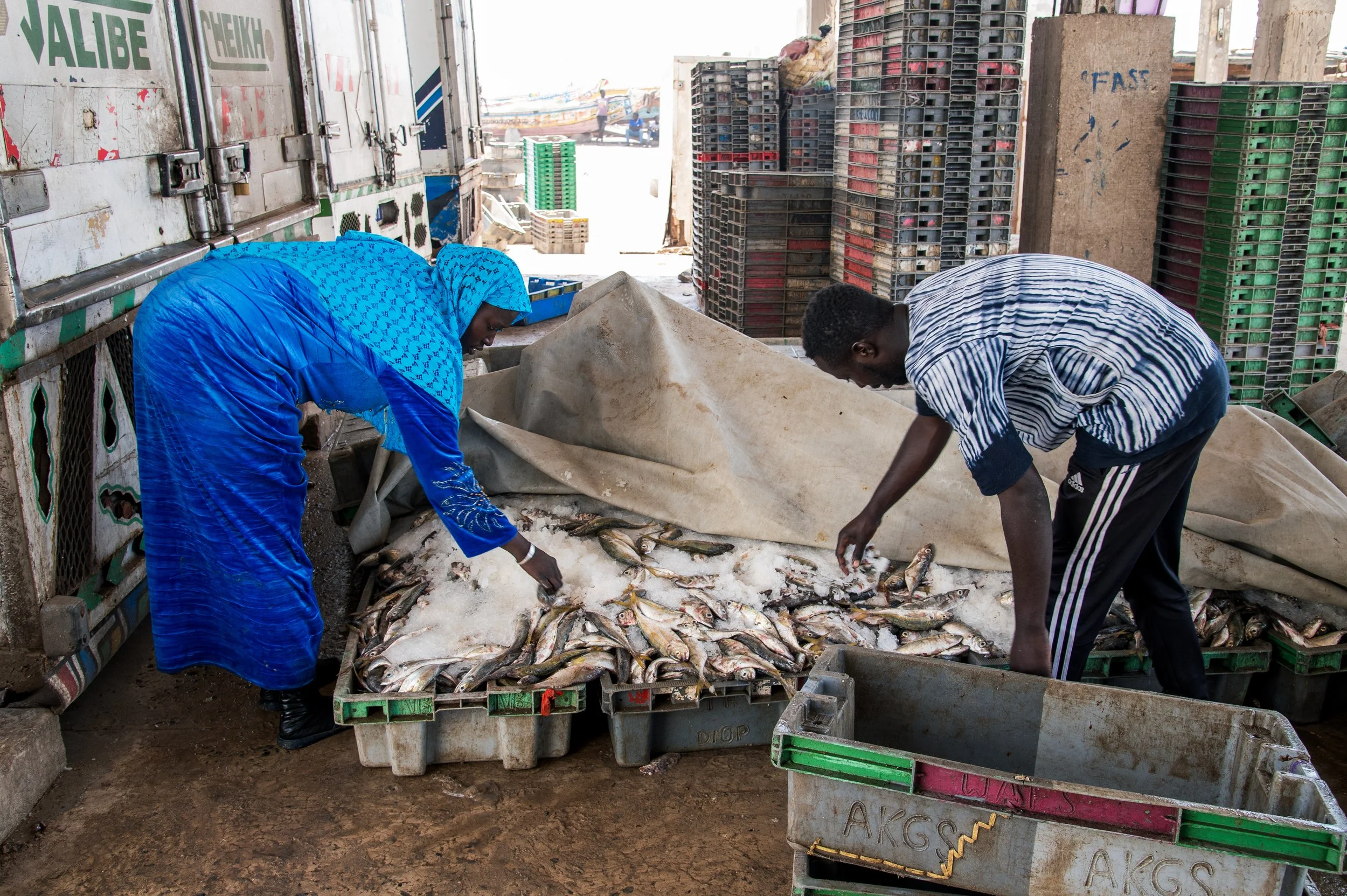
Several regional organisations have provided frameworks for information exchange, scientific research, policy cooperation and developing joint conservation measures. However, so far, regional initiatives have not proven effective in the sustainable management of small pelagic stocks in West Africa.
The limited effectiveness of certain regional bodies is not necessarily attributable to the conduct of any single state. Nevertheless, where international law requires states to cooperate, or where states have agreed to comply with measures adopted by regional organisations, member states have a responsibility to ensure that such obligations are respected in practice. This may require states to encourage compliance, monitor implementation, and hold one another accountable where agreed commitments are not fulfilled. As discussed in more detail below, civil society in West Africa, particularly in a regional context, could play an important role in holding states to account.
2. International legal obligations
This section analyses the international legal obligations of West African states: (a) to manage and conserve small pelagics and prevent overexploitation; and (b) to ensure that activities taking place within waters under their jurisdiction do not cause harm to the territory, maritime zones, or rights of other states. These obligations arise from both the law of the sea and broader principles of international environmental law. In practice, they require states to adopt and implement appropriate legislative, regulatory, administrative, and enforcement measures, and to cooperate with neighbouring countries where conservation cannot be achieved through unilateral action alone.
A. UNITED NATIONS CONVENTION ON THE LAW OF THE SEA (UNCLOS)
The United Nations Convention on the Law of the Sea (UNCLOS) is the principal source of international legal rules governing the exploitation and management of marine resources, including fisheries and fisheries-related activities.
UNCLOS imposes several obligations on states that are intended to ensure that living marine resources, including small pelagics, are not subject to overexploitation. A distinction should be drawn between the legal regime applicable to the territorial sea and, where relevant, archipelagic waters, on the one hand, and the regime governing the EEZ, on the other.
With respect to the territorial sea and archipelagic waters, UNCLOS does not contain comprehensive provisions specifically regulating fisheries management. This does not mean, however, that states are free to exploit living marine resources without restriction. Rather, a range of general obligations contained in UNCLOS require states to protect and preserve the marine environment and, by implication, to ensure that living marine resources are not depleted through unsustainable exploitation. These obligations provide an important legal basis for the conservation of small pelagics throughout maritime zones under national jurisdiction.
In contrast, UNCLOS contains a dedicated framework governing fisheries within the EEZ. These provisions require coastal states to establish conservation and management measures, determine allowable catch levels, regulate access to fisheries resources, and cooperate in the management of shared stocks. Consequently, the legal obligations applicable within the EEZ supplement and reinforce the broader environmental obligations that apply throughout all maritime zones.
General rules
Article 192 General obligation
Article 192 of UNCLOS provides that: “States have the obligation to protect and preserve the marine environment.”
Although Article 192 does not expressly refer to fisheries or overexploitation, it is increasingly interpreted as establishing a broad environmental obligation that encompasses the sustainable management of living marine resources. Its significance lies in linking the exercise of sovereign rights over marine resources with corresponding environmental responsibilities: states may exploit resources within their jurisdiction, but they must do so consistently with their obligation to protect and preserve the marine environment. Fisheries management is therefore not merely a matter of resource utilisation; it is also an aspect of environmental protection.
The arbitral tribunal in the South China Sea Arbitration held that the general obligation in Article 192 extends both to protection of the marine environment from future damage and to preservation in the sense of maintaining or improving its present condition. It therefore imposes a positive obligation to take active measures to protect and preserve the marine environment and, by logical implication, entails a negative obligation not to degrade the marine environment.

The UN Convention on the Law of the Seas )UNCLOS) provides, in its article 192, that states should protect and preserve the marine environment across all maritime zones. The International tribunal for the Law of the Sea (ITLOS) cited this article to underscore the due diligence obligation for coastal states to cooperate regarding shared stocks, such as in the present case, small pelagics.
In its Advisory Opinion concerning Illegal, Unreported and Unregulated (IUU) Fishing Activities, the International Tribunal for the Law of the Sea (ITLOS) held that Article 192 imposes an obligation on all States Parties to protect and preserve the marine environment across all maritime zones. Within the context of the EEZ, the Tribunal also recognised a due diligence obligation requiring coastal states to conserve and sustainably manage living marine resources and to cooperate in good faith regarding shared stocks and highly migratory species.
Moreover, in its Advisory Opinion on Climate Change and International Law, ITLOS noted that Article 192 imposes a general obligation on States Parties to protect and preserve the marine environment. It applies to all maritime areas and can be invoked to combat any form of degradation of the marine environment, including climate change impacts such as ocean warming, sea level rise, and ocean acidification. Where the marine environment has been degraded, this may require restoring marine habitats and ecosystems.
The obligations that follow from Article 192 are therefore not limited to the conservation of shared marine resources but extend to other actions and circumstances within the control of a state that adversely affect the marine environment. For example, a state should refrain from authorising blue economy activities that degrade the marine environment and, to the extent that it has jurisdiction, act against fishing vessels and their owners whose activities adversely affect the marine environment. The negative obligation not to degrade the marine environment is linked to the No Harm Principle, which is discussed in more detail below.
Article 193 Sovereign right of states to exploit their natural resources
Article 193 of UNCLOS provides that: “States have the sovereign right to exploit their natural resources pursuant to their environmental policies and in accordance with their duty to protect and preserve the marine environment.”
This provision makes clear that sovereign rights over natural resources are not absolute. Rather, they must be exercised consistently with environmental protection obligations. In the Southern Bluefin Tuna Cases, ITLOS observed that the conservation of living marine resources forms an integral part of the protection and preservation of the marine environment. As a result, fisheries exploitation cannot be divorced from broader environmental considerations.
Article 193 is frequently understood as a due diligence obligation. States may choose to exploit fisheries, offshore oil and gas reserves, seabed minerals, and other marine resources, but they must adopt measures to ensure that resource exploitation does not undermine environmental sustainability. A failure to adopt such measures may constitute a breach of UNCLOS, even where the underlying economic activity is otherwise lawful.
Article 194(5) Rare or fragile ecosystems
Article 194(5) requires states to take measures necessary to protect and preserve rare or fragile ecosystems, as well as the habitat of depleted, threatened, or endangered species and other forms of marine life. Although Article 194 appears within the broader framework regulating marine pollution, the arbitral tribunal in the Chagos Marine Protected Area Arbitration concluded that the wording of Article 194(5) is sufficiently broad to extend beyond measures directed exclusively at marine pollution.
The relevance of Article 194(5) to small pelagic fisheries is significant. The sustainability of small pelagic populations depends not only on regulating fishing effort but also on safeguarding the habitats and ecosystems that support these species. Consequently, states may be required to adopt measures that protect these ecosystems from harmful fishing practices and from other activities that may degrade marine habitats.
The United Nations Fish Stocks Agreement
The United Nations Fish Stocks Agreement (UNFSA), to which various West African states are a party, elaborates on the cooperation obligations contained in Article 63 of UNCLOS. It provides for cooperation through appropriate subregional and regional fisheries management organisations, and identifies duties relating to the exchange of scientific information, participation in decision-making, monitoring, enforcement, and the adoption and implementation of effective conservation and management measures. The UNFSA also requires conservation and management measures for the same stock to be compatible and coherent, whether applied inside or outside national jurisdiction. It therefore reinforces the duty to cooperate already identified under UNCLOS.
Exclusive Economic Zone (EEZ)
UNCLOS also contains a distinct set of provisions governing the conservation and utilisation of living marine resources within the EEZ. These complement the broader environmental duties discussed above and impose additional obligations on coastal states that are directly relevant to small pelagics.
Article 61 Conservation of Living Resources
Article 61 requires a coastal state to determine the allowable catch of the living resources within its EEZ. The concept of "allowable catch" refers to the quantity of living marine resources that may be harvested without jeopardising the sustainability of those resources over time. In determining allowable catch levels, the coastal state must take into account the best scientific evidence available and adopt appropriate conservation and management measures to ensure that living resources are not endangered by overexploitation. In this context, states must also consider relevant environmental and economic factors, including the economic needs of coastal fishing communities and the special requirements of developing states.
In its Advisory Opinion concerning Illegal, Unreported and Unregulated (IUU) Fishing Activities, ITLOS held that Article 61 places the responsibility for the conservation and management of living resources in the EEZ on the coastal state. Accordingly, coastal states are required to make scientifically informed decisions regarding the level of fishing effort that such stocks can sustain. This obligation necessarily requires adequate scientific data collection, stock assessment, monitoring, and periodic review of management measures.
Article 62 Utilisation of Living Resources
Article 62 addresses the utilisation of living resources within the EEZ. It provides that, where a coastal state does not have the capacity to harvest the entire allowable catch, it may grant other states access to any surplus of that allowable catch.
This provision is significant because it imposes an important limitation on the ability of coastal states to authorise foreign fishing activities. Access may only be granted after the coastal state has determined the allowable catch and established that a genuine surplus exists. Foreign vessels may therefore harvest only that portion of the resource that exceeds the harvesting capacity of the coastal state itself.
The provision also has important implications where scientific uncertainty exists. If a coastal state is unable to determine the allowable catch, or cannot reliably identify whether a surplus exists, there are strong grounds for concluding that it should refrain from granting access to foreign fishing vessels. To do otherwise may risk authorising fishing activities at levels that are incompatible with conservation obligations under Article 61. In the context of small pelagic fisheries, Article 62 reinforces the principle that access arrangements, including fisheries agreements with foreign states and fleets, must be compatible with sustainability objectives.
Article 63 Shared Stocks and the Duty to Cooperate
Article 63 addresses situations in which the same stocks, or associated stocks, occur within the EEZs of two or more coastal states. This provision is particularly relevant to small pelagics in West Africa, many of which migrate across maritime boundaries and are therefore shared among neighbouring states.
Under Article 63, the states concerned are required to seek agreement, either directly or through appropriate subregional or regional organisations, on the measures necessary to coordinate and ensure the conservation and development of such stocks. The provision therefore imposes a specific obligation to cooperate in relation to shared fisheries resources.
Furthermore, the obligation to cooperate should be interpreted in conjunction with the broader environmental obligations discussed above. States are not merely required to engage in formal consultation; they must make genuine efforts to develop and implement effective conservation measures capable of achieving sustainable management outcomes.
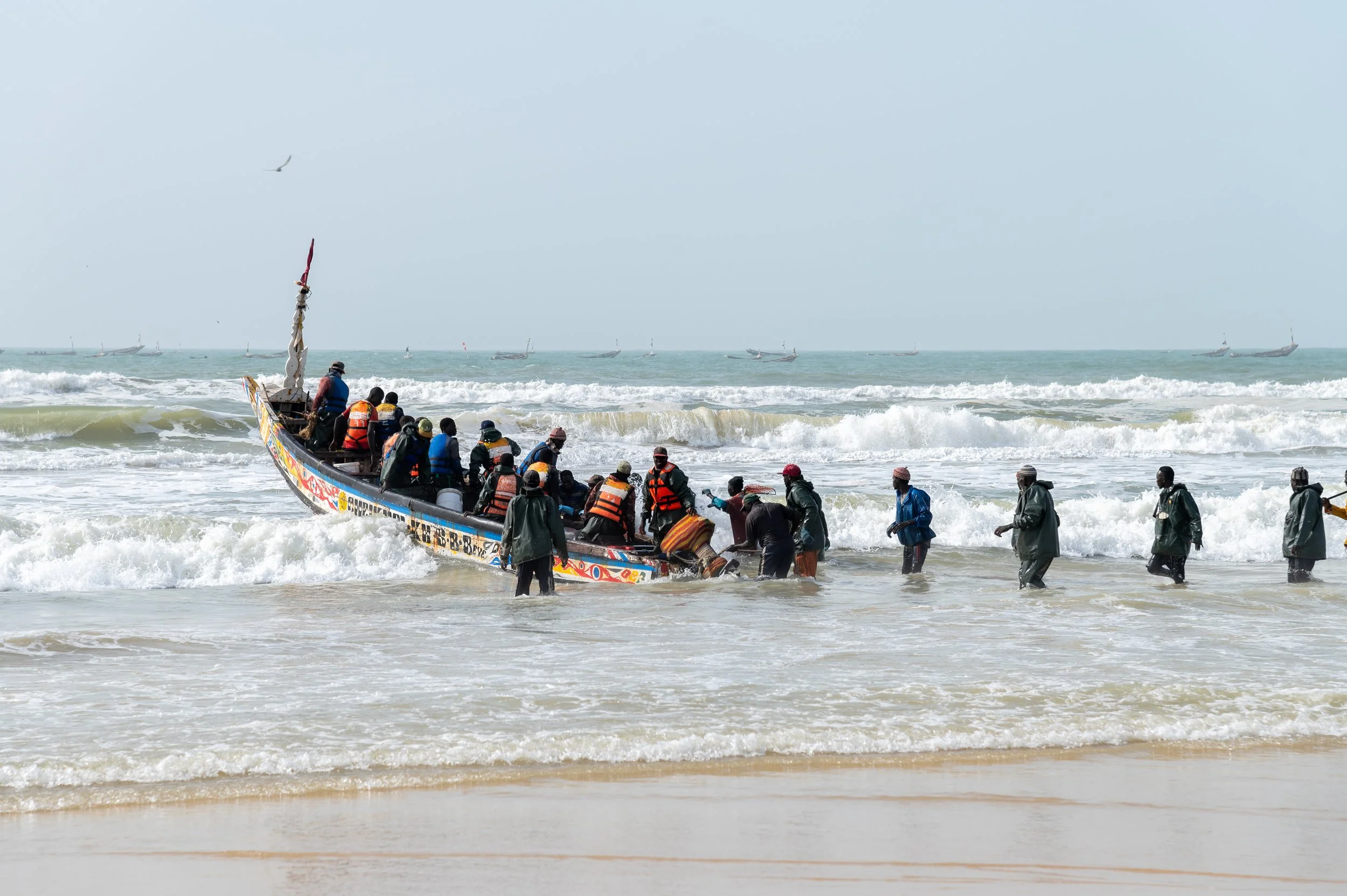
Article 63 of UNCLOS on shared stocks and the duty of coastal states to cooperate should be read in conjunction with the broader environmental obligations to preserve the marine environment: coastal states must therefore make genuine efforts to implement joint effective conservation measures.
The EEZ provisions do not operate in isolation but must be interpreted alongside the broader obligations in Articles 192, 193, and 194(5). This is particularly important because the concept of allowable catch applies expressly to the EEZ but not to the territorial sea. Nevertheless, the broader conservation obligations imposed by UNCLOS arguably require coastal states to apply a similar approach when regulating fishing within their territorial seas.
B. NO HARM PRINCIPLE
The No Harm Principle is a fundamental principle of international law that requires states to ensure that activities conducted within their jurisdiction or control do not cause significant harm to other states or to areas beyond national jurisdiction. The principle forms part of customary international law and has been repeatedly affirmed in international case law. It imposes an obligation on states to exercise due diligence in preventing activities within their territory or under their control from causing transboundary environmental damage.
The origins of the principle are commonly traced to the Trail Smelter Arbitration, in which transboundary air pollution originating from a Canadian smelter caused harm within the territory of the United States. The arbitral tribunal held that no state has the right to use, or permit the use of, its territory in a manner that causes serious injury to another state. The case has since become one of the foundational authorities for the development of international environmental law and the prevention of transboundary harm. The principle was subsequently reaffirmed by the International Court of Justice (ICJ) in various cases, including the Corfu Channel case and the Pulp Mills on the River Uruguay case.
The No Harm Principle does not guarantee that environmental harm will never occur. Rather, it imposes an obligation of conduct: states must exercise due diligence by adopting and implementing reasonable measures to prevent significant transboundary harm. The threshold is one of significant harm; trivial or negligible impacts do not ordinarily engage international responsibility. In practical terms, compliance may require states to undertake environmental assessments, establish regulatory controls, monitor potentially harmful activities, and engage in consultation with affected states. The principle applies within the land territory, territorial sea, and EEZ alike, and a state may incur responsibility where activities under its jurisdiction have significant adverse effects on the territory, zones, resources, or rights of another state.
Accordingly, a state should not permit fishing practices or other activities that pose a significant risk to small pelagic populations, associated habitats, or marine ecosystems where those impacts may extend beyond its own jurisdiction. Where there is a risk of significant transboundary harm, the state concerned should undertake an environmental impact assessment and engage in appropriate notification, consultation, and cooperation with potentially affected states.
3. Need for harmonised and coordinated national measures and regional cooperation
A. NATIONAL MEASURES
Various West African states have recently adopted measures aimed at protecting small pelagics. These measures demonstrate an increasing recognition of the ecological, economic, and food security importance of small pelagic fisheries and the need for more effective conservation action.
For example, Ghana has introduced closed fishing seasons for industrial and semi-industrial vessels as a management tool designed to allow small pelagic stocks to spawn and recover. Ghana has also extended the zone that is accessible exclusively to artisanal fishers to twelve nautical miles in order to provide greater protection for artisanal fishers and critical fish breeding habitats. It has also created a marine protected area to protect spawning and nursery grounds for small pelagics.
Guinea-Bissau has also adopted significant conservation measures. Under the 2024-2029 EU-Guinea-Bissau Fisheries Protocol, the total allowable catch (TAC) for small pelagics was set at zero tonnes, meaning that no fishing opportunities were provided to European Union vessels in respect of these stocks because of concerns regarding their conservation status. Furthermore, in January 2026, Guinea-Bissau adopted one of the strongest conservation measures in the region by prohibiting fishmeal and fish oil production, suspending licences for purse-seine fishing of small pelagics intended for reduction, and prohibiting the use of artisanal catches for fishmeal production.
These examples demonstrate that states possess a range of regulatory tools that can be used to conserve small pelagics, including catch restrictions, spatial management measures, seasonal closures, licensing controls, and restrictions on processing industries. However, the effectiveness of such measures depends not only on their adoption but also on their implementation and enforcement, and on the actions taken by other states in the region.
The limits of unilateral action are illustrated by developments following Guinea-Bissau’s fishmeal ban. Reports indicate that Turkish purse seiners that had been fishing small pelagics in Guinea-Bissau’s waters to supply Chinese-owned, Dominica-flagged offshore fishmeal factories subsequently shifted their activities to neighbouring Sierra Leone. An offshore fishmeal factory also appears to have relocated its operations to Sierra Leone’s waters. Because these vessels continue to target the same small pelagic stocks that Guinea-Bissau sought to protect, the shift in activity risks undermining the effectiveness of the ban unless neighbouring states adopt comparable measures.
More generally, regulatory weaknesses and uneven enforcement in some West African states have allowed foreign fishing vessels to engage in unsustainable fishing practices. The consequences are not confined to the state that grants access; they may also affect neighbouring states that depend on the same shared fish stocks. In these circumstances, a state that authorises or tolerates vessels engaging in IUU fishing in its waters, and then fails to impose effective sanctions, undermines regional conservation efforts and acts contrary to the No Harm Principle.
B. REGIONAL COOPERATION
The obligations discussed earlier give rise to a broader duty of cooperation at the heart of the international legal framework governing shared marine resources. Article 63 of UNCLOS specifically requires states to seek agreement on measures for the conservation of shared stocks and, more broadly, effective implementation of environmental protection and transboundary harm prevention depends on cooperation among states.
At the FAO Committee on Fisheries (COFI) Sub-Committee on Fisheries Management (COFI:FM), the African Confederation of Artisanal Fisheries organisations (CAOPA), an observer civil society organisation (CSO), along with 28 other CSOs, stated that “regional cooperation in West Africa must move beyond coordination and information sharing towards joint decision-making on conservation, fishing capacity and access allocation, including explicit agreement on limits to total removals, distribution of fishing opportunities and conditions for access across fleets and countries grounded in the precautionary principle.”
In the West African context, a number of regional bodies provide institutional frameworks through which such cooperation may occur. These include the Subregional Fisheries Commission (SRFC), the Fisheries Committee for the West Central Gulf of Guinea (FCWC), the Fishery Committee for the Eastern Central Atlantic (CECAF), and the ECOWAS Fisheries and Aquaculture Framework. These organisations provide platforms for information sharing, scientific cooperation, policy coordination, and the development of regional fisheries management initiatives.
Some of them have already undertaken initiatives aimed at improving the conservation and management of small pelagics. Examples include the SRFC's project on the Coordinated Management of Shared Sardinella Fisheries in Northwest Africa and the FCWC's efforts to develop and validate a regional small pelagic fisheries management framework. Such initiatives recognise that effective fisheries conservation requires a coordinated regional approach rather than a collection of disconnected national measures.
The scope of regional cooperation must also be sufficiently broad. Cooperation should not be limited to the regulation of fishing effort but should address the wider pressures affecting small pelagic populations, including habitat degradation, climate change impacts, fishmeal and fish oil production, offshore development, and other blue economy activities. Effective conservation therefore requires an ecosystem-based approach that considers both the stocks themselves and the habitats on which they depend.
Regional cooperation should also include meaningful participation by non-state actors, particularly artisanal fishers and civil society organisations. This approach was reflected in a joint statement by small-scale fisheries (SSF) organisations and NGOs at the FAO COFI Sub-Committee on Fisheries Management, which noted that joint, transboundary fishers’ committees could provide a practical mechanism for the participatory management of small pelagics.
Denouncing non-compliance of neighbouring states might be difficult for coastal states, for diplomatic or political reasons. This is where civil society can play a role: small-scale fishers organisations and NGOs may be able to speak more freely. The African Confederation of Artisanal Fisheries Organisations (CAOPA) has proposed transboundary fishers’ committees which could provide a practical mechanism for the participatory management of small pelagics.
For such committees to be effective, they should be formally connected to regional decision-making structures and should not be confined to a purely consultative role. They could support regional management by facilitating dialogue among fishing communities from different countries, creating channels of communication between those communities and decision-makers, promoting coordinated positions on conservation measures, and strengthening transparency and compliance.
A further requirement is that states recognise the legal character of their conservation duties. Measures to conserve small pelagics and protect associated habitats and ecosystems should not be treated merely as matters of political discretion or voluntary cooperation. The obligations discussed in this article arise directly from international law. Cooperation is therefore not only desirable; in many circumstances, it is legally required.
Although ECOWAS, FCWC, SRFC, and CECAF have adopted several regional fisheries governance instruments, their implementation has remained uneven due to limited surveillance and enforcement capacity, fragmented inter-agency coordination, insufficient legal harmonisation, weak data-sharing mechanisms, and broader institutional and political constraints. The SRFC Convention on the Minimal Conditions for Access to the EEZs of member states illustrates this problem. Although the Convention, adopted in June 2012, could have provided an important framework for protecting marine resources in the region, limited implementation by its signatories has left it largely inoperative.
The main difficulty often lies in translating regional commitments into national implementation. States may fail to incorporate agreed measures into domestic law, inadequately enforce conservation rules, or otherwise neglect their international obligations. These failures can weaken regional conservation efforts and compromise the sustainability of shared stocks and, in turn, the livelihoods of fishing communities and food security in the region.
However, non-compliance by one state does not relieve other states of their own obligations under international law. Each state remains independently responsible for implementing conservation measures and fulfilling the duties imposed by UNCLOS and other applicable rules. Where the conduct of one state threatens shared resources, other states have a legitimate interest in seeking stronger implementation. Effective cooperation therefore requires mutual accountability: states must monitor implementation, fulfil their own commitments, and hold one another accountable where failures threaten shared resources.
4. Addressing non-compliance
A persistent challenge in the conservation of small pelagics is ensuring compliance with international obligations and agreed regional measures. Various West African states have faced significant challenges in complying with their international legal obligations in this respect, as llustrated, for example, by the cases addressed through the EU’s carding system. There are also examples of African states that have flagged vessels which engage in IUU fishing in the waters of other African states with apparent impunity.
Although international law imposes obligations on states to conserve living marine resources, cooperate in the management of shared stocks, and prevent transboundary harm, enforcement mechanisms remain relatively weak. In practice, international litigation is often costly, time-consuming, and politically sensitive, and states may therefore be reluctant to pursue formal dispute settlement proceedings. It is therefore unlikely that West African states will resort to international dispute resolution to protect small pelagics.
Improving compliance should focus primarily on strengthening regional accountability mechanisms. Regional fisheries bodies and other cooperative institutions can play an important role by promoting transparency in the implementation of agreed measures.
Civil society can also support compliance. While states may be reluctant, for diplomatic or political reasons, to denounce non-compliance by neighbouring states, associations of fishers, environmental NGOs, and similar organisations may be able to speak more freely. They may also be better placed to provide empirical evidence of such non-compliance and to point to the economic, social and environmental impacts resulting from poor management of these stocks. Because the small pelagics crisis is not confined to any one state, these organisations should cooperate regionally and focus on region-wide action to increase their effectiveness. Acting through a regional platform may also strengthen their voice in international fora.
Publicly identifying significant non-compliance, as well as the persons benefitting from it, may create political and diplomatic incentives for states to fulfil their obligations. Donors, development partners, and parties to fisheries access agreements may also contribute to improved compliance. Market states can also contribute through traceability and import controls. Financial assistance, technical support, fisheries partnerships, and access arrangements can be linked to the implementation of conservation measures and compliance with agreed regional objectives.
Conclusion
The depletion of small pelagic stocks in West Africa is not merely a fisheries management challenge. It is a test of whether coastal states are willing and able to fulfil existing international legal obligations designed to ensure the sustainable use of shared marine resources. As this article has demonstrated, UNCLOS, the No Harm Principle, and the duty to cooperate collectively require states to prevent overexploitation, protect marine habitats and ecosystems, regulate activities that threaten fish stocks, and cooperate in the conservation of shared and migratory resources. These obligations are not optional policy choices but legal responsibilities that accompany the sovereign rights of states to exploit marine resources.
The principal challenge therefore lies not in the absence of legal obligations, but in their implementation. Isolated national initiatives are unlikely to succeed unless supported by effective regional cooperation and accountability. Conservation efforts must extend beyond fisheries regulation to address the broader drivers of depletion, including fishmeal and fish oil production, habitat degradation, climate change, and other blue economy activities.
Priority should be given to strengthening regional cooperation and governance, improving transparency and accountability, enhancing scientific collaboration, and ensuring that agreed conservation and management measures are effectively enforced. Civil society organisations, regional institutions, development partners, and responsible market actors all have a role to play. If existing legal obligations are translated into meaningful action, they provide a clear pathway towards rebuilding small pelagic stocks, protecting marine ecosystems, and safeguarding food security and livelihoods across West Africa.
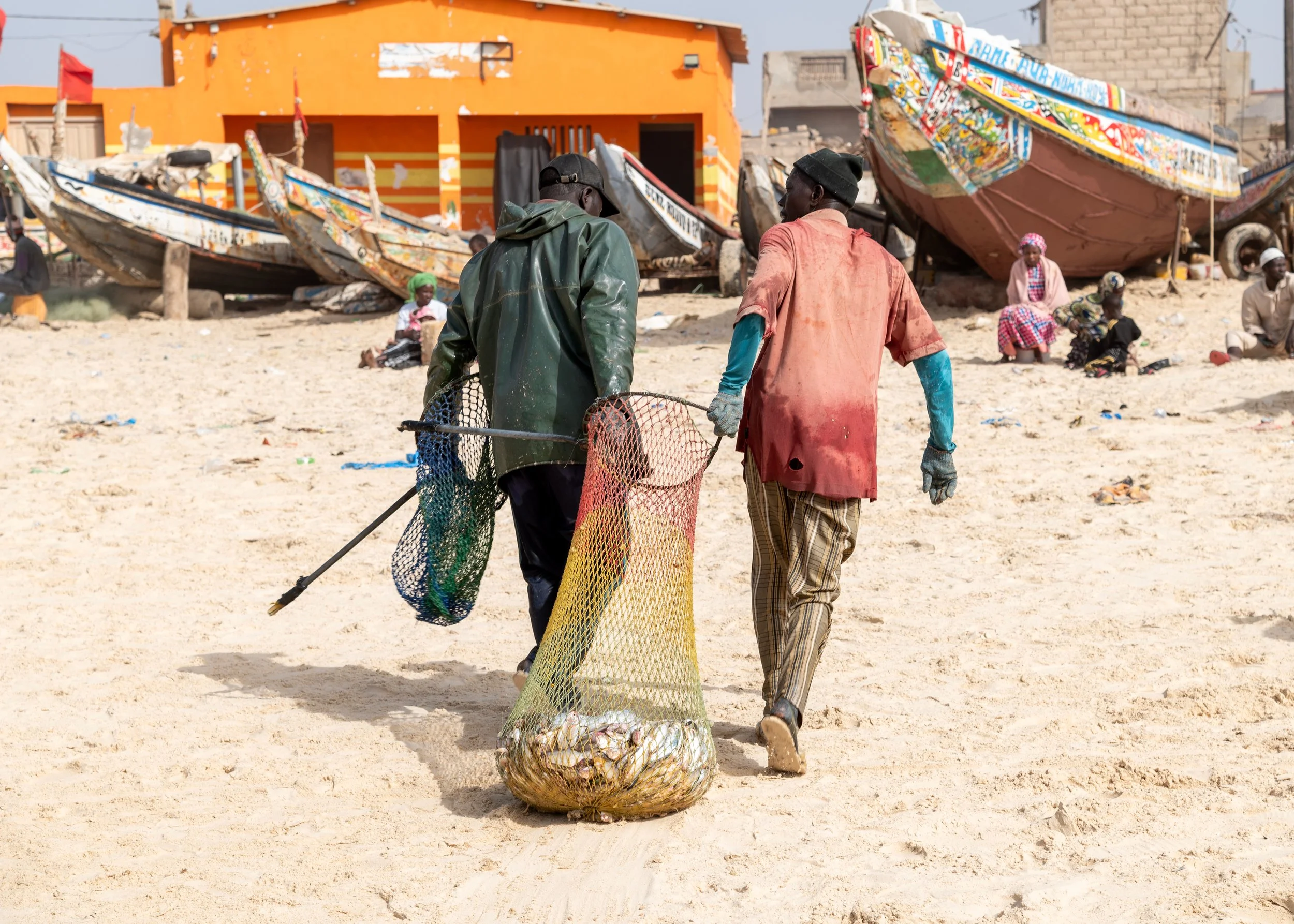
Photos in the banner and article: The Senegalese fishing community of Fass Boye, by Agence Mediaprod.


The EU Long-Distance Advisory Council and CFFA co-hosted a seminar end of May in Berlin with key African fisheries stakeholders to discuss issues related to EU fishing companies with investments and operations in Africa.