This article examines the deadlock in negotiations between Mauritania and the EU over a new fisheries agreement, focused on European fleet access and the EU’s financial contribution. As the Commission prepares its Vision 2040 for fisheries and aquaculture, it argues that negotiations should also address sustainable fisheries management and benefits for Mauritania’s small-scale fishing communities.
Future EU fisheries agreements: Will they put more fish on African tables?
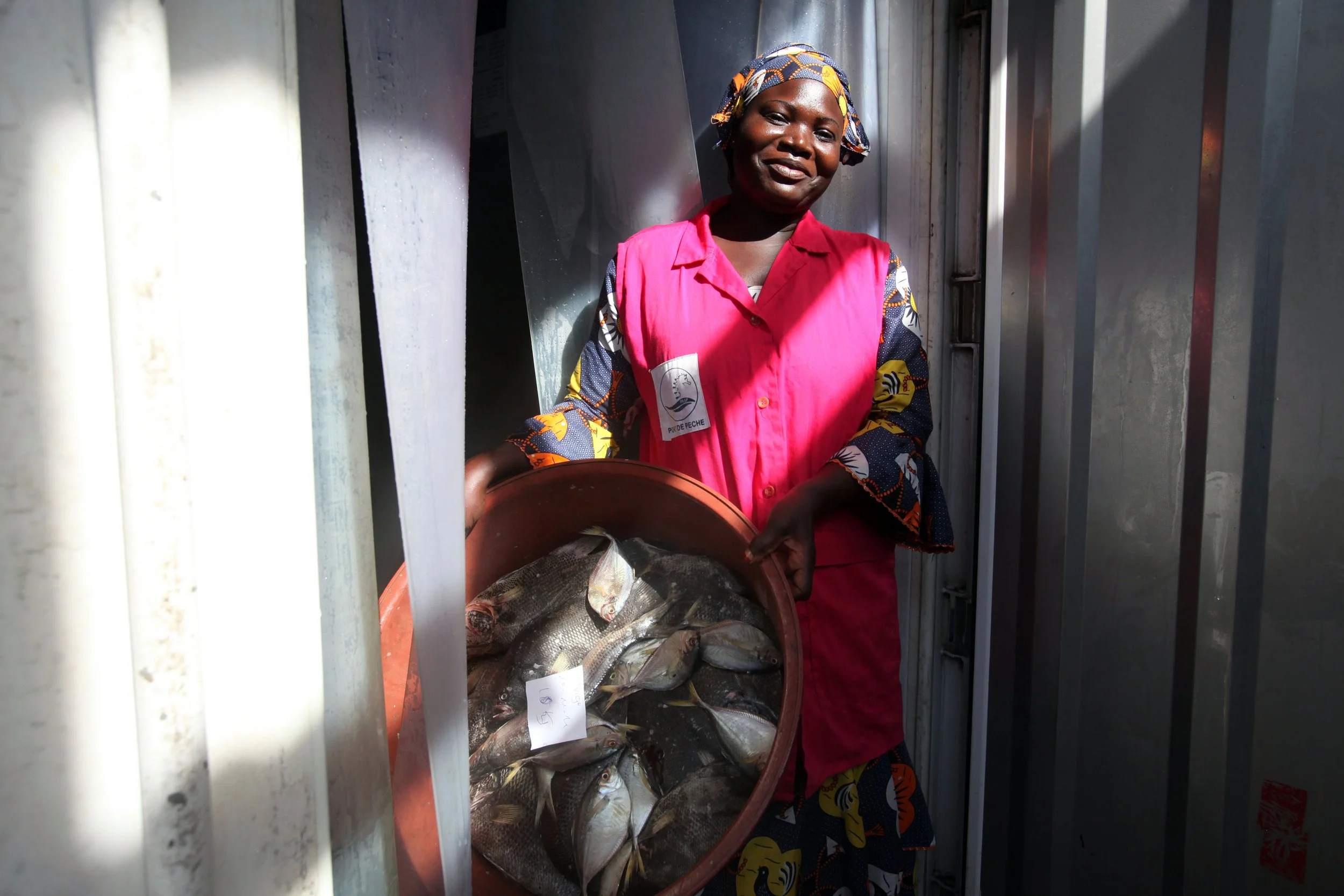
Fish is becoming increasingly scarce on African tables, even though African waters continue to supply international markets. As the EU is about to reveal its future strategy for external fisheries action, the next generation of SFPAs offers an opportunity to address this challenge. Their contribution to food security should ultimately be judged by a simple test: do they help more sustainably caught fish reach local consumers in good condition and at an affordable price?
The Small-Scale Fisheries Summit puts the SSF-GSF to the test
COFI 37 Joint Statement: “FAO and its members must address the destructive impacts of industrial feedlot aquaculture”
21 Civil Society and Small-scale fishing organisations (CSOs and SSF) sign a joint statement at the 37th Session of the FAO Committee on Fisheries, a global body that provides recommendations and policy advice on fisheries and aquaculture to governments, regional fisheries bodies and the international community in general.
Small-Scale fisheries make up to 50% of tuna catches the Indian Ocean
To subsidise or not to subsidise, that is not the question
SFPA monies must reach the shore: What Mauritian artisanal fishers expect from the future fisheries agreement with the EU
Although the EU-Mauritius SFPA generates measurable macroeconomic gains, these benefits remain largely invisible to small-scale fishers. The authors highlight weak transparency, limited coastal development impact, governance issues, and inequitable access to resources, calling for a more inclusive, community-centred fisheries partnership model.
Aligning ocean governance and fisheries policy: what the EU Ocean Act must deliver
From crisis to adaptation: African small-scale fishing communities are leading in climate resilience
Climate change is transforming the environmental and social landscapes of African coasts. While small-scale fishing communities are suffering first hand the impacts of climate change, they are also developing community-led and nature-based solutions to adapt and become resilient. In this article, the author goes through some examples and gives recommendations on how the EU can support these initiatives.
WTO Agreement on Fisheries Subsidies: Progress with many open questions
Francisco Mari, advocacy officer for global food security, agricultural trade and maritime policy at Bread for the World, reviews the WTO agreement on fisheries subsidies; following its recent entry into force. For this, he points at what till remains unaddressed and the costs and opportunities for developing countries, including the impact on small-scale fisheries.
Regionalising biological rest periods in West Africa: ecological gain or social shock?
Strengthening Inshore Exclusive Zones with small-scale fishers: A path to food security and biodiversity
Small-scale fishing communities depend on the coast and inshore waters for their livelihoods. Many African countries now recognise small-scale fisheries’ role in achieving climate and biodiversity goals. The EU should support this by strengthening priority access and funding co-management in coastal waters.
Dormant but not dead: Why The Gambia - EU fisheries agreement still matters
Dormant SFPAs should not simply be considered as a pause. Since the framework agreements are still in place, they should be utilised for dialogue on science and sustainable fisheries between the two parties. Dormant agreements can also play a role in the broader regional network of SFPAs as they can help monitor and coordinate research across borders. Finally, these agreements can also continue fostering coherence between EU funding instruments.
From fishing access deals to supporting fishing communities: a new course for EU fisheries funding in Africa?
Putting fishing communities first: Priorities for negotiating a fair EU-Seychelles Fisheries Agreement
Towards a fair and sustainable EU strategy for fisheries external action
In this position paper, CFFA contributes to the Commission open consultation on an EU strategy for fisheries external action. In it, CFFA calls for a strategy that looks into policy coherence for development, including a focus on food security, the importance of participation of stakeholders and of including human rights safeguards. In the second part of the position, CFFA looks at the coherence in the resources put forward to fund this external strategy, as essential for effective action.
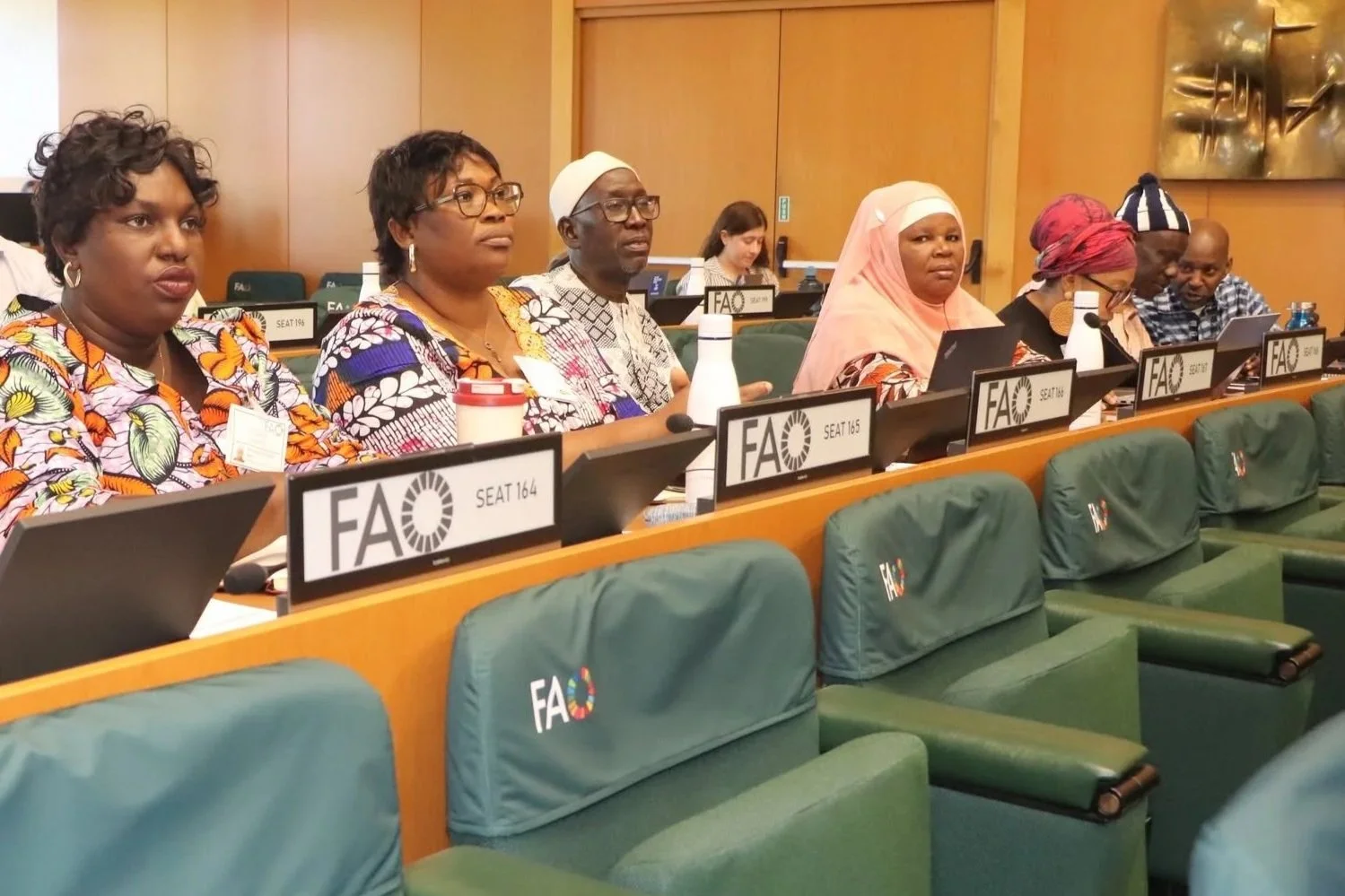
The quest for fair fish trade takes African small-scale fishers to the FAO
UNOC: “Focusing on an imaginary funding gap for ocean conservation is a distraction from addressing the root causes”
In this short publication, prepared by Andre Standing, we contest the facts gathered in the preparatory note to the UN Ocean Conference panel focusing on unlocking finance for conservation of the oceans. We look at the false narrative of the funding gap and underscore the key criticisms facing these innovative finance tools, including debt-for-ocean swaps.
Joint Statement: “FAO and its members must address the destructive impacts of industrial feedlot aquaculture”
Will the UN Ocean conference uphold small scale fishers as “ocean rights-holders”?
In this article, the author looks at the 0 draft political declaration of this high-level summit on Sustainable Development Goal 14 “life below water” in the light of the demands of SSF organisations participating at the conference. For this, she underscores the failure of UNOC to bring a human-rights approach to ocean conservation, echoing criticisms brought forward by UN Special Rapporteurs on human rights and Civil Society Organisations.