
Women in African artisanal fisheries are adamant that no crisis in their lifetime has affected their activities as deeply as the Covid-19 crisis.
In a statement issued by the African Confederation of Artisanal Fisheries Organisations (CAOPA) on the occasion of International Women's Day on 8 March, they highlight the challenges they face in obtaining supplies from fishermen, and the difficulties they face in continuing to process and market their products.
Indeed, the measures taken by African governments to counter the Covid-19 epidemic this past year - curfews, lockdowns and border closures - have had a damaging impact on their activities. They emphasise that, thanks to them, people have continued to have access to fish, a source of animal protein, micronutrients and fatty acids: "This crisis has shown the irreplaceable role of African artisanal fisheries, and the women who work in the sector, for food security."
Since the beginning of the pandemic, CAOPA has been calling for governments to respond to this crisis to improve the working conditions of women and men in artisanal fisheries as they are "essential workers". For the women of CAOPA, improving their working conditions must be a priority, as they operate in unhealthy conditions, often for a meagre income. They also demand that their governments protect artisanal fishing areas and landing sites "from predation" by other economic sectors in the coastal zone.

Working in smoke, more than 50% of women fish processors have respiratory problems. Photo: Mamadou Aliou Diallo.
For these women, the FAO guidelines for sustainable small-scale fisheries are an essential guide, which can be complemented with the "experience, innovation, commitment and strength of women in fisheries."
They conclude their statement firmly: "Ensuring decent living and working conditions for women in artisanal fisheries is more necessary than ever to avoid food crises and to ensure the stability of coastal communities in Africa."
Banner photo: Screenshot of CAOPA video. Mamadou Aliou Diallo/REJOPRA.
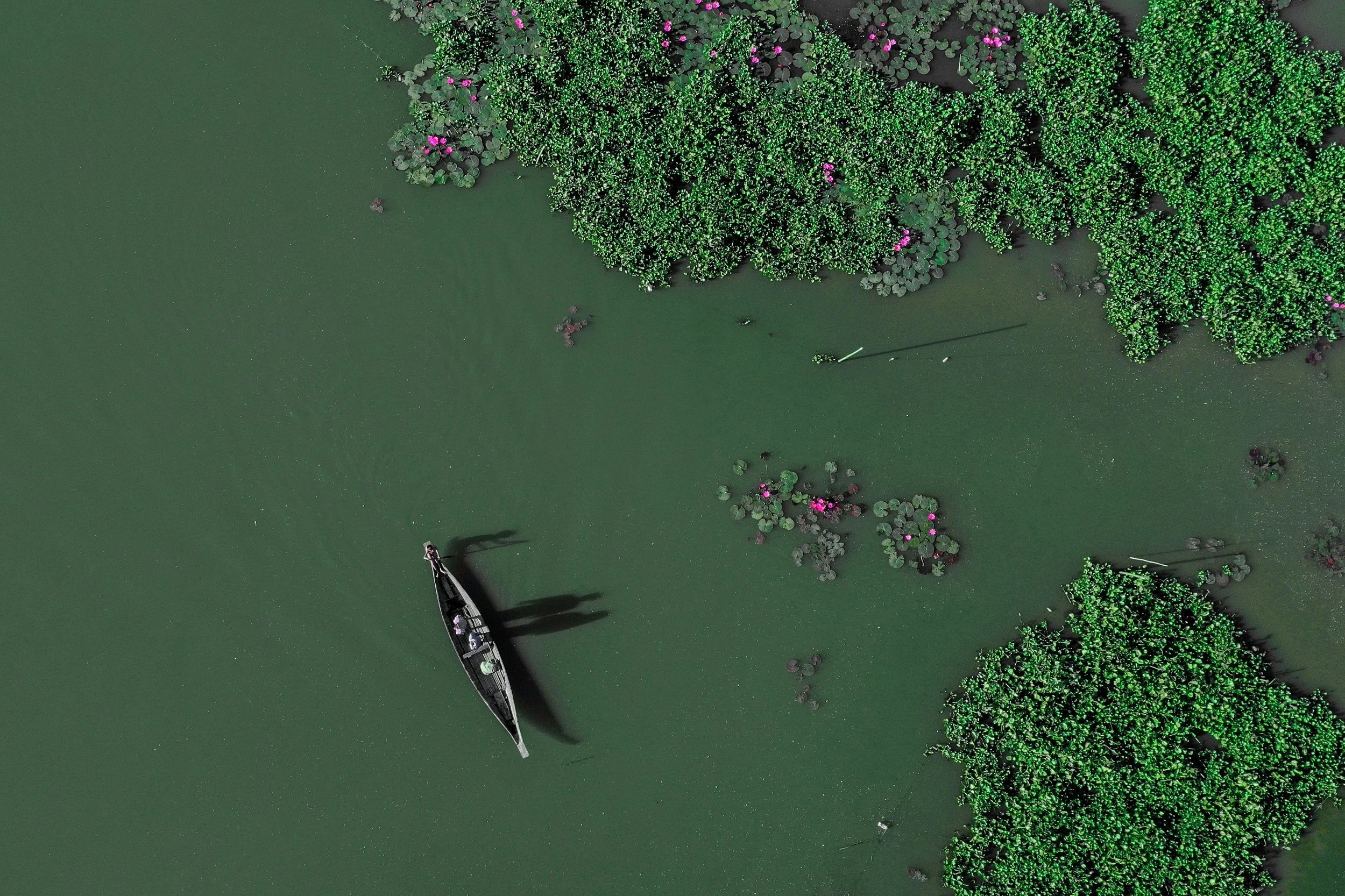


Fish is becoming increasingly scarce on African tables, even though African waters continue to supply international markets. As the EU is about to reveal its future strategy for external fisheries action, the next generation of SFPAs offers an opportunity to address this challenge. Their contribution to food security should ultimately be judged by a simple test: do they help more sustainably caught fish reach local consumers in good condition and at an affordable price?