
by OLAYEMI RAZAQ Saliu
Olayemi Saliu is a policy analyst working with international organizations on fisheries governance, marine protected areas, and ocean-related policy reform across African, Caribbean and Pacific states.
Strengthening beneficial ownership (BO) transparency is increasingly recognised as central to accountability and equity in the fisheries sector.
Greater transparency on BO can improve traceability, strengthen oversight of access agreements, and support efforts to combat illegal fishing. It also plays a critical role in ensuring that the benefits from fisheries are not captured by opaque or foreign-controlled interests, to the detriment of coastal states and small-scale fishing communities.
“Moving from commitments to implementation will require sustained political will and targeted action, including stronger legal frameworks, improved data systems, and more robust verification mechanisms.””
However, despite growing commitments to transparency in the fisheries sector, only a limited number of countries are currently taking concrete steps to identify who ultimately owns and controls fishing operations. A new assessment examines how these commitments on BO transparency are being translated into practice across Member States of the Organisation of African, Caribbean and Pacific States (OACPS).
In 2022, OACPS Ministers responsible for fisheries committed ‘taking measures either as flag states or coastal states to update and implement national legislation requiring reporting of ultimate beneficial owners of fishing vessels and companies whenever flagging or granting authorisation to fish and maintain a register of beneficial owners of fishing vessels at the national level and to reinforce the pursuing and sanctioning for non-disclosure of beneficial owners.’ This commitment – one of the most comprehensive collective commitments on fisheries transparency to date – was reaffirmed in 2024, underlining its continued priority.
The assessment findings point to emerging progress, but limited implementation. Nineteen out of seventy-nine OACPS Member States (24.1%) show some level of action related to fisheries transparency. However, most of these efforts relate to broader governance reforms, such as vessel registries, licensing systems and monitoring, control and surveillance, which, while important, do not in themselves ensure that the ultimate beneficial owners of fishing operations are identified.
“Growing engagement with the Fisheries Transparency Initiative (FiTI), and in particular the transition to its strengthened Standard Version 2. 0, provides a practical framework for advancing BO transparency.””
When focusing on direct beneficial ownership measures, only five countries - Senegal, Ghana, Madagascar, Mauritania and Timor-Leste, currently demonstrate verifiable implementation of disclosure, registration or verification mechanisms. This gap highlights that, despite increasing political commitment, effective BO transparency remains at an early stage across most OACPS Member States.
The assessment also points to persistent structural challenges. In many countries, legal frameworks requiring disclosure remain weak or absent, data systems are fragmented, and institutional capacity for verification and enforcement is limited. Continued reliance on external technical support further raises questions about long-term sustainability.
At the same time, there are clear opportunities to accelerate progress. Growing engagement with the Fisheries Transparency Initiative (FiTI), and in particular the transition to its strengthened Standard Version 2. 0, provides a practical framework for advancing BO transparency. Ongoing investments in monitoring and surveillance systems, as well as regional cooperation, can further support these efforts.
Moving from commitments to implementation will require sustained political will and targeted action, including stronger legal frameworks, improved data systems, and more robust verification mechanisms. As OACPS Member States continue to advance their fisheries governance agendas, strengthening beneficial ownership transparency will be a key step toward more accountable, equitable and sustainable management of marine resources.
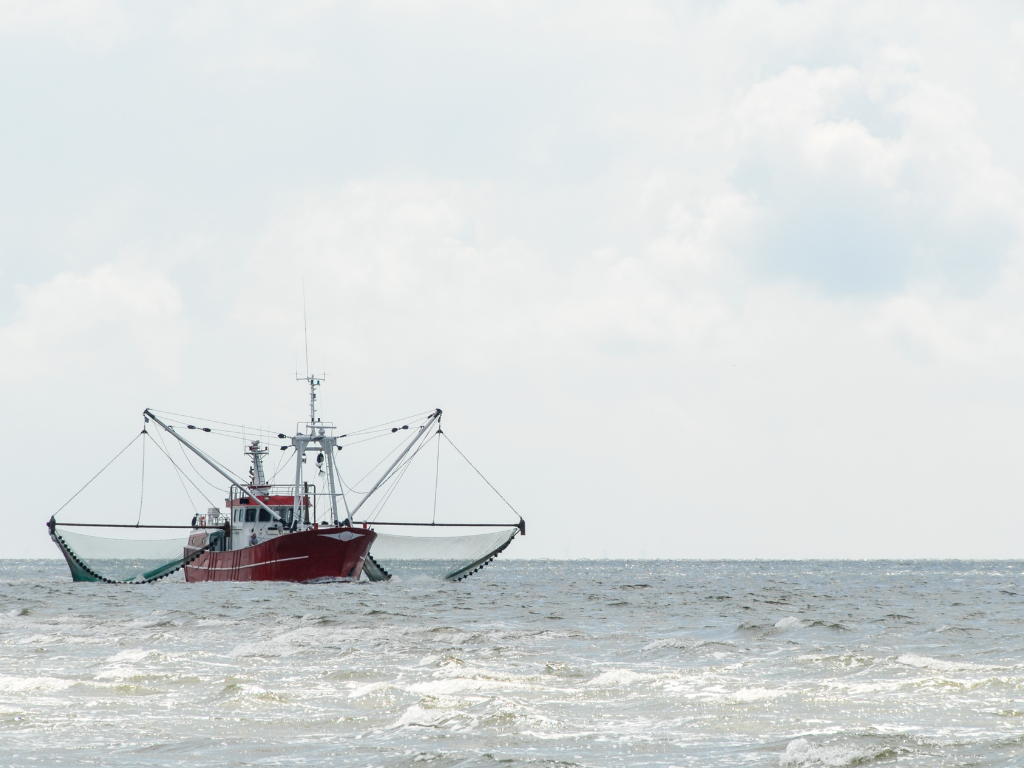
Banner photo: a beam trawler, image from CanvaPro.



Small pelagic stocks are shared across West African waters, yet their management remains largely national. In this article, the author argues that stronger regional management is not simply a matter of better policy or voluntary cooperation: it also flows from existing obligations under international law. These obligations require coastal states not only to conserve shared stocks, but to cooperate on issues such as fishing capacity and allocation of access, implement agreed measures and hold one another accountable where national decisions undermine a shared resource. Drawing on recent examples from West Africa, the article shows why effective regional governance is essential if national conservation efforts are to succeed.