


In this publication, the author shows how the Sustainable Fisheries Partnership Agreement (SFPA) between the EU and Mauritania is an opportunity to implement the “new generation” of agreements announced by the European Commission, which should focus on the equitable sharing of benefits, local development, and the well-being of coastal communities that depend on fishing.
Reading time: 10 minutes
Often presented as a benchmark agreement, the Mauritania-EU Sustainable Fisheries Partnership Agreement (SFPA) will be up for negotiation from early 2026.
The agreement, which regulates European fleets' access to a wide range of resources, including tuna, crustaceans, demersal species, and small pelagic species, is the EU's largest agreement with a third country.
In Mauritania, the artisanal fishing sector is particularly dynamic, providing 47,067 direct jobs and 141,201 indirect jobs, representing more than 65% of the total jobs created by sea fishing in the country. Small-scale fishing accounts for more than a third of landings, ranging from octopus, a species of high commercial value intended for export, to small pelagic species essential for local consumption.
As the European Commission has just adopted its recommendations for the negotiations on the renewal of the SFPA protocol, several key elements should be taken into account in the negotiations to strengthen the ambition of this instrument and build an exemplary partnership between the EU and Mauritania that respects marine ecosystems and meets the needs of communities that depend on fishing for their livelihoods.
1. Priority access to resources: what small-scale fisheries can exploit sustainably must be reserved for them
A) OCTOPUS: A VITAL RESOURCE FOR SMALL-SCALE FISHERIES, NOW UNDER THREAT
Octopus is the cornerstone of Mauritania’s small-scale fisheries. The fishery is currently regulated through an annual Total Allowable Catch (TAC), which is allocated among three fleet segments: artisanal, coastal, and industrial. Small-scale fisheries are assigned a collective,non-individualised quota, whereas quotas in the coastal and industrial segments are allocated on a per-vessel basis. Artisanal fishers, who represent the primary source of employment in coastal communities, consider that the current distribution of the TAC disproportionately benefits industrial fleets. They argue that the share allocated to the artisanal segment is structurally insufficient, which contributes to recurrent overruns of their collective quota.
Artisanal operators are firmly opposed to the introduction of individual transferable quotas (ITQs), which they view as a de facto privatisation of the resource in favour of a limited number of industrial and financial actors. In the industrial segment, the existing quota system has already facilitated the entry of a significant number of foreign vessels, notably from China, thereby intensifying pressure on octopus stocks. Within this framework, the 25-year agreement signed in 2010 with the Chinese group Poly Hondone, which includes access to octopus resources, has progressively led to the replacement of European vessels by the Chinese fleet in this fishery.
According to IMROP (2025), octopus stocks are currently experiencing a critical biological phase. Excessive catches, particularly of juveniles, are undermining stock renewal. The SeaBOS 2025 report similarly concludes that octopus stocks are likely overexploited, despite the acknowledged limitations in available data. While seasonal closures contribute to stock recovery, their effectiveness remains constrained by the high level of fishing pressure exerted immediately upon reopening of the fishery.
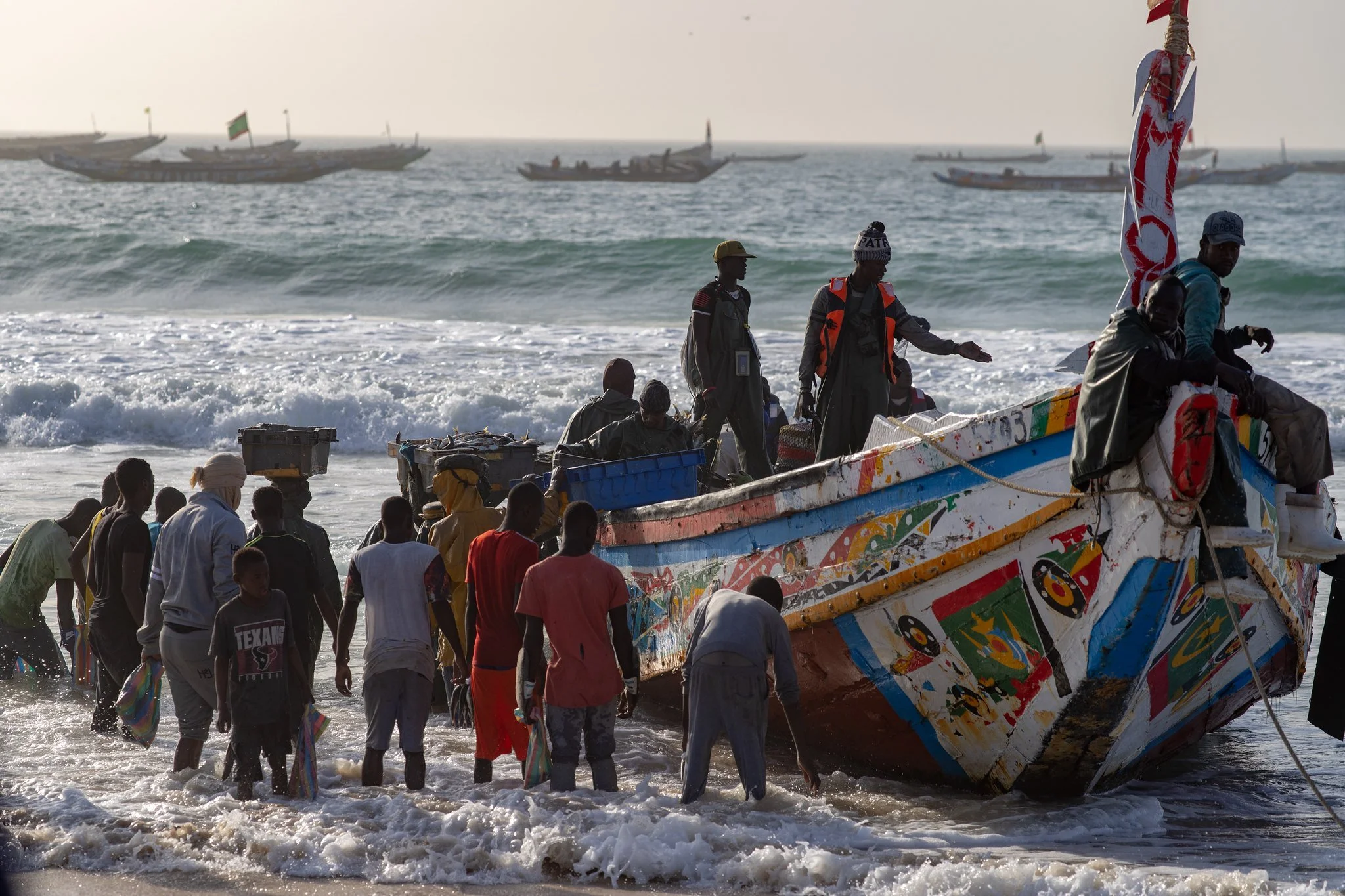
The future of Mauritanian fisheries depends on prioritising small pelagic species for human consumption, strengthening infrastructure, modernising artisanal fleets, and empowering young people. Strategic investments can ensure local food security, create jobs, and provide stable, high-quality protein, across Mauritania and the wider sub-region. Photo : Fishers landing their catch in Nouakchott, Mauritania, by Valerian Guillot.
Overall, the octopus fishery is of major social and economic importance, yet it is biologically fragile. Ensuring its sustainability requires strengthened scientific monitoring and a reduction in overall fishing effort, particularly within foreign industrial fleets, which rely on non-selective gear and are responsible for a substantial share of juvenile catches.
Small-scale fishers therefore call for the development of a national strategy for octopus fisheries that reinstates the central role of artisanal fishing. This segment employs the most selective fishing practices and generates the highest level of employment. From this perspective, they argue that octopus should no longer be included in the EU–Mauritania fishing agreement, even under the current arrangement of zero access.
Instead, the agreement’s sectoral support should be directed towards the sustainable management and recovery of octopus stocks, ensuring priority and adequate access for small-scale fisheries. Such an approach is essential to safeguarding small-scale fishing activities and the associated socio-economic benefits.
B) BOTTOM TRAWLING AND VULNERABLE ECOSYSTEMS: ENSURING EFFECTIVE PROTECTION OF MAURITANIA’S MARINE BIODIVERSITY
Mauritanian fishers report that EU shrimp trawlers are operating too close from the Banc d’Arguin, generating levels of bycatch that are incompatible with sustainability commitments.
Strict compliance with shellfish fishing closure periods – currently twice annually for three months each – must apply uniformly to all fleets, including European vessels, even if such extended closures were not explicitly foreseen in the agreement protocol. Any extension of closure periods by the authorities is based on the biological status of the resource and, in the interest of sustainability, should be binding for all operators. Under the current protocol, some European fleets have continued fishing while local fleets were obliged to stop, creating a perception of inequity among Mauritanian fishers.
A further critical concern is the protection of deep-sea ecosystems and vulnerable marine areas, particularly cold-water coral reefs. Artisanal fishers call for full implementation of the recommendations adopted by the Joint Scientific Committees in 2024 and 2025, which advocate strict protection of the five most important Areas of Biological Interest (ABIs) within the coral chain. Although these five areas account for only 0.72% of Mauritania’s Exclusive Economic Zone (EEZ), they are essential for the maintenance of national marine biodiversity. Fishers argue that these sites should be designated as Marine Protected Areas (MPA), prohibiting all bottom-trawling activities.
Scientific data on these habitats, including detailed reef mapping, should be made publicly available to support transparent and sovereign management. The EU-Mauritania Sustainable Fisheries Partnership Agreements (SFPAs) should explicitly recognize these protected areas and contribute to their effective management, including through monitoring and prevention of damage from bottom trawling and sediment plumes;
C) SMALL PELAGIC FISH: FEEDING POPULATIONS BEFORE THE FISHMEAL INDUSTRY
The future of Mauritanian small-scale fisheries depends on the genuine development of small-scale fisheries targeting small pelagic species for human consumption. This transition is essential: it would enhance access to high-quality protein for local populations while reducing pressure on demersal stocks, notably octopus.
“Effective sectoral support requires transparent programming and meaningful participation. Small-scale fisheries must have formal oversight at every stage. A permanent consultative mechanism would strengthen accountability, democratic legitimacy, and ensure that SFPA governance genuinely reflects the needs of fishing communities.””
Significant progress has already been made. The Ministry of Fisheries has taken steps to reduce the size of the fleet supplying fishmeal and fish oil factories. This reorientation must now be consolidated by prioritizing small pelagic species for human consumption. Small-scale fisheries, with their proximity to local markets and capacity to supply fresh or processed products at low cost, are central to achieving this objective.
For this priority, affirmed by the authorities, to be fully realized, it is essential to strengthen key links in the small-scale fisheries value chain. This includes developing adequate landing infrastructure, efficient storage facilities (e.g., coolers, solar-powered cold storage), and effective distribution channels. Investments in such infrastructure are fully aligned with the national strategy to progressively reduce the proportion of pelagic fish directed to fishmeal production.
The safe and productive expansion of this fishery also requires modernization of the artisanal fleet, particularly through the provision of decked boats to enhance safety at sea. Strengthening the sector cannot be limited to fishing operations alone: it must be accompanied by investments in youth training and the creation of decent jobs across the value chain.
Choices made in this area under international cooperation frameworks raise questions. For instance, European funds mobilized by the Maritime School have been used to build a new cannery, whereas dozens of existing factories could have been leveraged to train many more young Mauritanians at lower cost. Such a policy would generate opportunities for young people in processing, marketing, transport, and storage.
A renewed EU-Mauritania fisheries partnership agreement should actively support this transition. Linking part of SFPA funding to investments in processing for human consumption, infrastructure, market access, and storage capacity would sustainably improve the availability, quality, and stability of food in coastal areas and beyond.
Finally, the issue extends beyond national borders. Mauritania plays a central role in regional food security, particularly for landlocked countries such as Mali, where Mauritanian processed fish products are an essential and reliable source of protein. By enhancing both the quality and volume of this production, SFPAs can contribute not only to Mauritania’s food security, but also to the stability of food supply across the wider sub-region.
2. Building a regional and participatory management of small pelagics
Small pelagic species are migratory resources that traverse the waters of multiple countries in the subregion. Consequently, purely national managemen is no longer sufficient to address the challenges of sustainability, food security, and equitable access among coastal countries. Under the future EU-Mauritania SFPAs protocol, access to small pelagic species must be fully integrated into a regional, participatory, and science-based management framework.

PELAGIC SUPER-TRAWLERS, SUSTAINABILITY OF RESOURCES AND FOOD SECURITY
The presence of very large industrial vessels targeting small pelagic species, such as the 143-meter-long Margiris, highlights potential coherence challenges that future EU-Mauritania SFPAs will need to address. While the operations of this vessel are fully compliant with the existing legal framework, as the EU has previously noted, the scale of its fishing capacity raises questions about the alignment of access granted to industrial fleets with the stated strategic objectives of sustainability, food security, and local development, which underpin the “new generation” of SFPAs.
International precedents illustrate the concerns associated with vessels of this type. In Australia, the arrival of the Margiris in 2012 (then operating as Abel Tasman) prompted the government to suspend its activities due to perceived risks to small pelagic stocks and the broader marine ecosystem.
Similarly, in February 2022, an incident involving the same vessel in the Bay of Biscay – during which more than 100,000 dead fish were reportedly discharged accidentally – led to an administrative investigation in France and requests for clarification at the European level. To date, only the shipowner’s account has been made public, and no official report on the investigation’s findings has been released.
In the Mauritanian context, where small pelagic stocks are showing increasing signs of overexploitation and scientists are recommending significant reductions in regional fishing effort, these precedents underscore the need for a precautionary approach when establishing future fishing opportunities. While vessels such as the Margiris may operate legally, granting them access without careful consideration risks creating perceptions of inconsistency with the sustainability objectives and long-term food security commitments that both the UE and Mauritania espouse.
Photo: the Margiris, by Wim.
Coastal states, convening through the SRFC and other regional mechanisms such as COMHAFAT and CECAF/FAO, have initiated coordination efforts to harmonize access conditions and improve the regulation of small pelagic fisheries. Professional organizations, including CAOPA, are playing a leading role by promoting participatory management approaches that are closely aligned with the realities of local communities.
Within this context, the EU-Mauritania SFPA should serve as a lever to strengthen regional governance. By aligning access conditions with those of other subregional countries, the EU would help ensure policy coherence and prevent inter-state competition, which undermines collective capacity to protect these strategic stocks. This harmonization is particularly urgent, as most small pelagic stocks in West Africa are currently overexploited, despite being an essential and affordable source of protein for millions of people.
The absence of a Regional Fisheries Management Organization (RFMO) covering these resources creates a concerning institutional gap. In the meantime, the EU can enhance cooperation with existing frameworks and support regional scientific monitoring initiatives, such as those under the FAO/Nansen project. Such support would facilitate the establishment of scientifically informed catch limits, which are critical for stock recovery and the prevention of a worsening regional food crisis.
Effective management must also be genuinely participatory. Supporting joint committees that include fishers, fishmongers, women processors, and administrations – as recommended at the CAOPA-SRFC meeting – would foster community engagement, increase transparency, and strengthen local resilience.
A pilot framework for regional, participatory, transparent, and science-based management could therefore be tested for small pelagic species in West Africa, with EU support. By promoting this approach, the EU would contribute to consolidated governance of shared stocks, to the long-term benefit of the populations that rely on them.
3. A sectoral support oriented towards small-scale fisheries
A) ADDRESSING THE NEEDS OF small-scale fisheries AND WOMEN FISH PROCESSORS
One frequent criticism of EU fisheries agreements is that they deliver limited local benefits. Commissioner Costas Kadis, responsible for fisheries and oceans, has been tasked with developing a “new generation” of agreements, with a DG MARE communication expected by the end of the year. The upcoming EU-Mauritania SFPAs represent an opportunity to genuinely respond to the needs of the country and its coastal communities.
“For the SFPA the EU-Mauritania to become a genuine development partnership, it must deliver tangible benefits at the local level, placing women fish processors at the heart of sectoral support. Investments in refrigerated storage facilities would, in particular, reduce post-harvest losses and strengthen small-scale fisheries.”
Given its importance and dynamism, sectoral support should primarily be designed as an instrument for the development of small-scale fisheries. A clearly defined portion of this support – for example, 30% – should be reserved for concrete investments in the infrastructure and services that small-scale fishers rely upon. This approach aligns fully with the EU’s commitments to reducing inequalities and supporting small producers, as set out in the European Oceans Pact, and reflects priorities long expressed by Mauritanian professional organizations.
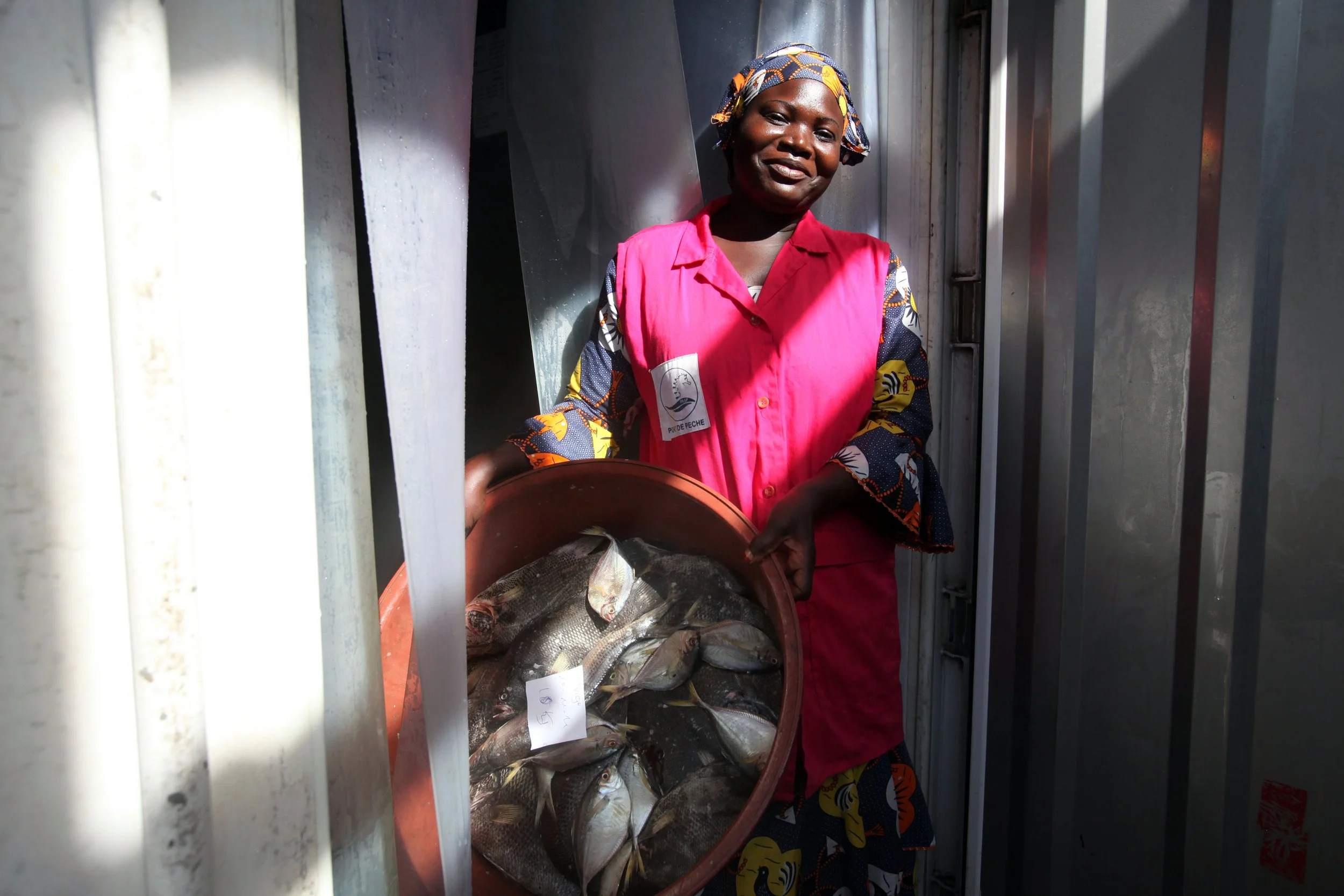
Beyond previously highlighted issues, such as the lack of infrastructure and training to prioritize human consumption over fishmeal production, the needs of women fish processors are particularly urgent. In Nouakchott and Nouadhibou, many continue to work under precarious hygienic conditions and experience significant post-harvest losses due to inadequate refrigeration and storage facilities. Targeting sectoral support to these challenges would modernize a value chain in which women play a central role, while promoting decent local employment and the economic integration of young people. Such investments would also reinforce the legitimacy of the agreement, transforming it from a mechanism focused primarily on access to resources into a genuine development partnership that directly benefits communities.
B) PUTTING ARTISANAL FISHERS AT THE HEART OF GOVERNANCE
The effectiveness of sectoral support depends directly on how it is programmed, implemented, and evaluated. Priorities must be established and monitored transparently. Information on funded projects – including committed amounts, disbursement schedules, final beneficiaries, and expected versus achieved results—should be publicly available and easily accessible, in line with international best practices and the recommendations of the LDAC for the “new generation” of SFPAs.
Transparency alone, however, is insufficient. It must enable genuine and informed participation by professional organizations, particularly those representing small-scale fisheries. Such participation should be ensured at every stage: defining priorities, preparing annual work plans, monitoring implementation, and evaluating impacts. It must not be symbolic; formalized mechanisms are required to give communities a real right of oversight and the ability to raise concerns.

The EU-Mauritania SFPA can advance regional, participatory management of small pelagic fisheries, involving fishers, processors, and local communities. By harmonising access and basing decisions on science, it ensures sustainable stocks, equitable use, and strengthened food security across West Africa. Photo: Artisanal pirogues on Nouakchott beach, Mauritania, by Pirobet.
Mauritania’s small-scale fisheries sector is calling for the establishment of a permanent consultative mechanism bringing together representatives of fishers, women fish processors, fishmongers, and local management and research stakeholders. This structured forum could take the form of a national advisory council tasked with monitoring the use of sectoral support, evaluating the implementation of the agreement, and providing guidance on strategic orientations. Existing bodies, such as the social dialogue committee and the small-scale fisheries management committee, could serve as the institutional foundation for this mechanism.
Such a mechanism would achieve several objectives: it would give small-scale fisheries representatives a defined role in sector governance; provide the EU with additional assurance that funds are used appropriately; and strengthen the democratic legitimacy of the agreement through inclusive and continuous monitoring.
By placing community participation at the centre of SFPA governance, the agreement would make a decisive step toward more transparent, effective management that truly reflects the needs of those who depend on the sea for their livelihoods.
Conclusion
Mauritanian small-scale fisheries are a key driver of employment, social stability, and food security in the country. The negotiations for the next EU-Mauritania SFPAs present a decisive opportunity to establish a partnership genuinely focused on sustainable development. Ensuring priority and sustainable access to resources for small-scale fisheries – particularly octopus and small pelagic species –, protecting vulnerable ecosystems, and directing sectoral support toward the specific needs of coastal communities are essential conditions for the agreement to serve the public interest effectively.
Beyond the national level, the SFPAs can also support coordinated regional management of small pelagic species, grounded in scientific evidence and the active participation of professional organizations, in line with initiatives led by the SRFC and COMHAFAT.
Positioning SFPAs as an instrument in support of small-scale fisheries strengthens Mauritania’s food sovereignty, enhances the resilience of its coastal territories, and contributes to the protection of its marine ecosystems. It also embodies the true spirit of the European Union–Mauritania partnership: one founded on fairness, transparency, and sustainability, for the benefit of the communities that rely on the sea for their livelihoods.
Positioning SFPAs as an instrument in support of small-scale fisheries constitutes an investment in Mauritania’s food sovereignty, the resilience of its coastal territories, and the protection of its marine ecosystems. It also gives concrete substance to the notion of partnership between the European Union and Mauritania: a partnership grounded in fairness, transparency, and sustainability, and oriented toward the long-term well-being of communities that depend on the sea for their livelihoods.
Banner photo: Mauritanian flags on fishing boats stored on the beach of Nouakchott, by Valerian Guillot.

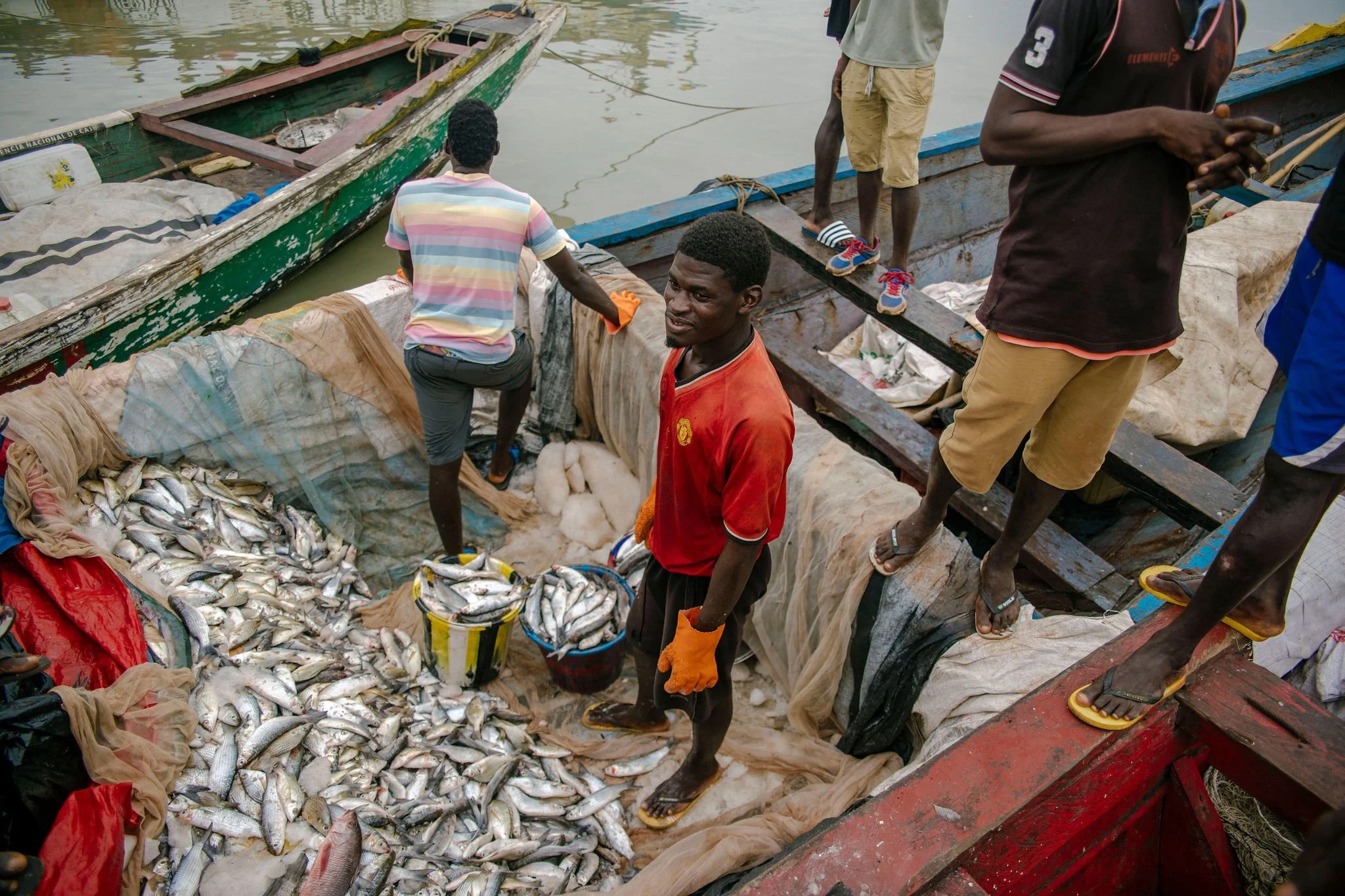

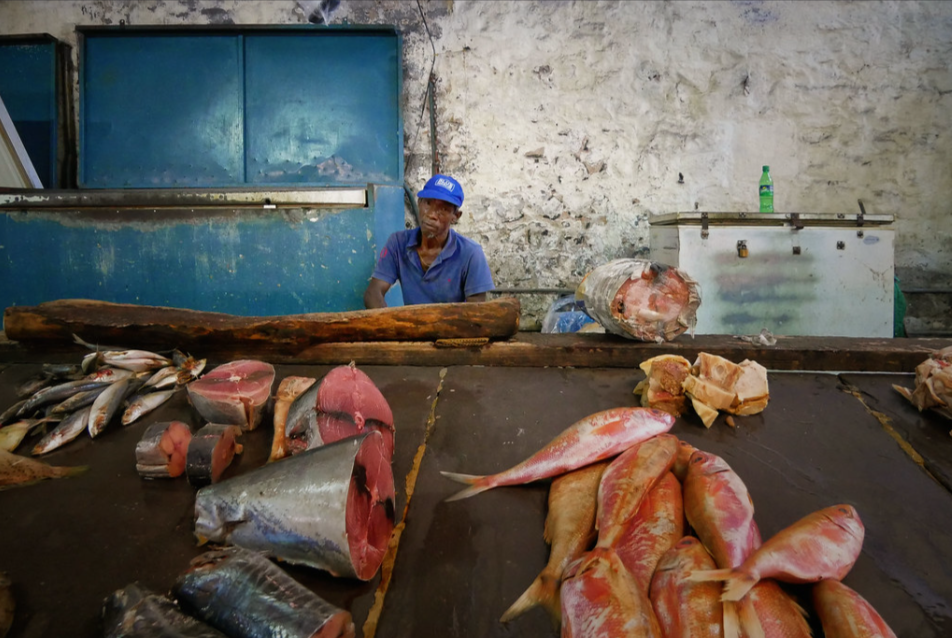
This article examines the deadlock in negotiations between Mauritania and the EU over a new fisheries agreement, focused on European fleet access and the EU’s financial contribution. As the Commission prepares its Vision 2040 for fisheries and aquaculture, it argues that negotiations should also address sustainable fisheries management and benefits for Mauritania’s small-scale fishing communities.