The entry into force of the Biodiversity Beyond National Jurisdiction (BBNJ) Agreement, often referred to as the ‘High Seas Treaty’, in January 2026, marks a turning point in global ocean governance.
The treaty focusses on four main areas: Area-Based Management Tools (ABMT), including Marine Protected Areas (MPAs); Environmental Impact Assessments (EIAs) for activities that may cause significant environmental harm; Capacity Building and Transfer of Marine Technology (CBTMT) to support equitable participation in biodiversity governance; and Marine Genetic Resources (MGR), including benefit-sharing mechanisms.
It does not regulate fisheries, does not establish access or gear rules, and does not apply inside Exclusive Economic Zones (EEZs). At first glance, this suggests that the agreement has little relevance for African coastal fisheries or for debates around EU-Africa fisheries relations. That conclusion would be misleading.
Why a ‘non-fisheries’ treaty still matters for fisheries
While the BBNJ Agreement is not a fisheries treaty, it has the potential to reshape the political and normative framework in which fisheries governance, biodiversity conservation and access to marine resources are negotiated. Its implementation will have concrete consequences for African coastal States, particularly when it comes to fisheries that target highly migratory species found in high seas as well as EEZs, such as tuna.
As clearly underlined in FAO’s guide ‘Fisheries and the BBNJ Agreement’, the treaty was deliberately designed not to replace existing fisheries institutions. It does not supersede Regional Fisheries Management Organisations (RFMOs), nor does it interfere with the rights and duties of States under the United Nations Convention on the Law of the Sea (UNCLOS). A central principle of the agreement is that it must be interpreted and applied in a way that does not undermine existing legal instruments and bodies, including those responsible for fisheries management.
“High-seas conservation cannot be considered successful if it transfers ecological and social costs into African countries’ Economic Exclusive Zones.””
This principle is sometimes used by some States to argue that the BBNJ Agreement is neutral for fisheries. However, rather than regulating fishing activities directly, it establishes new decision-making processes and new expectations about how States justify their positions, coordinate with one another and account for environmental and social impacts across ocean spaces. Fisheries remain governed under other legal frameworks, but they may now be increasingly debated with BBNJ norms in mind.
Indeed, parties to the agreement are expected to promote the objectives of the Agreement when participating in decision-making under other relevant legal instruments, frameworks, or global, regional, subregional or sectoral bodies (Art. 8), including RFMOs. In practice, this means that when States negotiate access arrangements, defend positions in RFMOs or shape EU external fisheries policy, they will be expected to align those positions with BBNJ principles such as ecosystem-based management, the precautionary principle, biodiversity conservation, transparency and international cooperation.
High seas protection and the risk of fishing effort displacement
The most politically sensitive dimension of the BBNJ Agreement concerns Area Based Management Tools, including the possibility to establish Marine Protected Areas (MPAs) in the high seas. Such measures may be adopted by the Conference of the Parties following scientific assessment and consultations, including consultations with coastal States adjacent to the proposed MPA.
For African fishers, the critical issue is not whether high seas MPAs should exist, but how they are designed and what happens to fishing pressure afterwards. As we highlighted in 2023, in highly mobile industrial fisheries, particularly tuna fisheries dominated by distant water fleets, spatial closures in the high seas may displace fishing effort. When certain offshore areas are closed, some fleets may relocate to zones that remain open to them, including EEZs where access is available through a variety of arrangements.
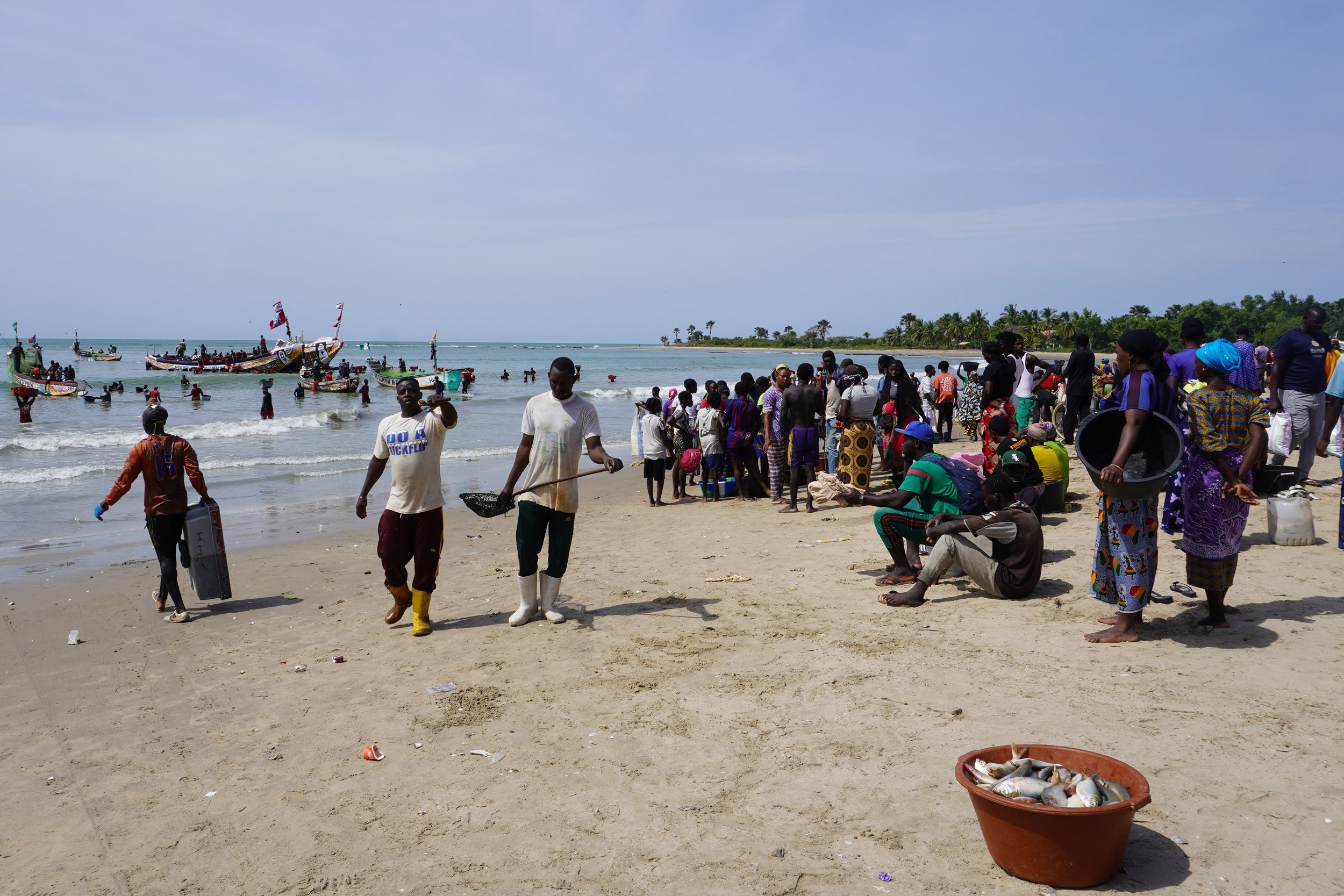
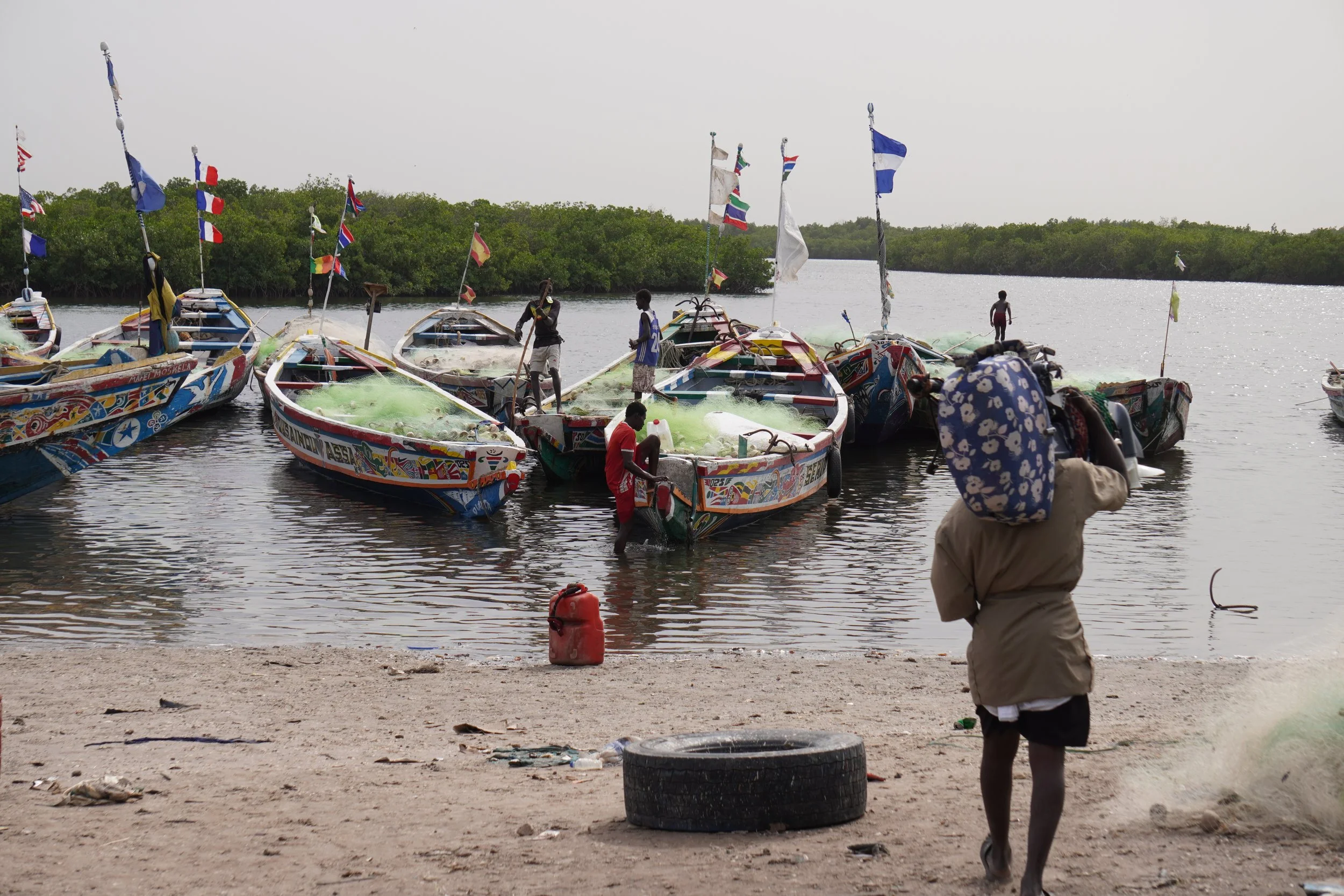
Establishing marine protected areas on the high seas can lead industrial fleets to redirect their fishing to open areas, such as African exclusive economic zones. This shift heightens competition and pressure on local stocks, threatening the catches and livelihoods of small-scale fishers. Photo: Gunjur small-scale fisheries landing site, Gambia, by Margaux Rochefort.
Indeed, several coastal States are already advocating for high-seas fishing restrictions precisely because of the displacement effects these measures can have on fishing effort. For example, the Parties to the Nauru Agreement (PNA) – a coalition of Pacific Island States that together control a substantial share of the global tuna supply – have long pursued the closure of adjacent high-seas pockets to purse seine tuna fishing, both as a conservation strategy and as an incentive to redirect fishing effort away from the high seas and into PNA national waters, where access is managed and priced through the Vessel Day Scheme (VDS). Reviews of the VDS have explicitly recommended that PNA members do their utmost to exclude fishing from the high seas pockets between or bordering their EEZs, as part of strengthening coastal States’ control over tuna resources and maximising the economic value of access rights in their EEZs.
“In the future, when negotiating access arrangements or shaping the EU’s external fisheries strategy, States must ensure that their positions align with the principles of the BBNJ, including the ecosystem approach, the precautionary principle, biodiversity conservation, transparency, and international cooperation.””
This demonstrates that high-seas conservation measures can, in practice, become part of coastal States’ strategies to attract fishing activity into waters where they exercise jurisdiction and can charge for access – a dynamic that could have serious consequences for certain EEZ fisheries, if not carefully managed. Indeed, for some artisanal tuna fishers, as in the Indian Ocean, the consequences of such displacement of industrial fishing effort from the high seas to the EEZs would translate into greater competition in fishing grounds, heavier pressure on ecosystems, and ultimately declining catches for coastal communities. High-seas conservation cannot be considered successful if it transfers ecological and social costs into African countries’ EEZ.
The BBNJ Agreement provides tools to confront this risk. Proposals for high seas MPAs must describe existing human activities and management measures, and consultations with adjacent coastal States are mandatory. Equally important, the treaty’s framework for Environmental Impact Assessments recognises that activities carried out in areas beyond national jurisdiction can generate significant impacts within national waters. Standards and guidelines to be developed under the agreement must therefore address potential impacts on EEZ fisheries resulting from high-seas protection activities, including the displacement of fishing effort.
The importance of recognising diverse spatial management tools
However, the BBNJ Agreement promotes Area Based Management Tools in a broader sense – not just MPAs – including spatial measures that regulate human activities to achieve conservation and sustainable use objectives. This does not necessarily imply permanent closures or exclusion.
This distinction matters for African artisanal fisheries. In many countries, small-scale fishers are confronted with a false choice between, on the one side, strict, top-down designed MPAs that exclude them from traditional fishing grounds, and, on the other, poorly regulated access systems, increasingly dominated by industrial interests.
Rather, the BBNJ Agreement legitimises negotiated, community-based approaches that include instruments like seasonal closures, gear-specific spatial rules, and locally managed fishing areas. This approach reinforces the political credibility of artisanal co-management systems and questions the narrative that conservation must exclude fishing to be effective. If inclusive, community-based, spatial governance is promoted as good practice in the high seas, excluding artisanal fishers from coastal ecosystems governance in national waters will become increasingly difficult to justify.
What this means for EU–Africa fisheries relations
These developments have implications for EU-Africa fisheries relations. As high-seas conservation measures expand, access to countries’ EEZs to catch resources like tuna will become more valuable. This will increase the stakes of fisheries access negotiations, reinforce the need for transparency and equity in Sustainable Fisheries Partnership Agreements (SFPAs), and places greater pressure on coastal States monitoring, control and surveillance (MCS) capacities.
“If inclusive and community-based spatial governance is recognised as good practice on the high seas, it is increasingly hard to justify the exclusion of small-scale fisheries communities from the governance of coastal ecosystems in national waters.””
At the same time, the BBNJ Agreement emphasises the need to support capacity-building and technology transfer, particularly for developing coastal States, including those in Africa. This strengthens the case for support, through EU-Africa fisheries relations that genuinely protects EEZ fisheries, including coastal fisheries and communities – specifically through investments in MCS, improved scientific capacity, and governance systems that promote co-management.
From words to action
Whether the BBNJ Agreement becomes a tool for conservation and for greater equity will ultimately depend not only on the text of the treaty, but on how it is implemented in practice. This includes the extent to which its principles are reflected in RFMO decisions, how seriously fishing effort displacement risks are addressed, and whether high-seas conservation is accompanied by concrete safeguards for African EEZs, including real limits on industrial fishing pressure, and meaningful support for artisanal co-management systems.
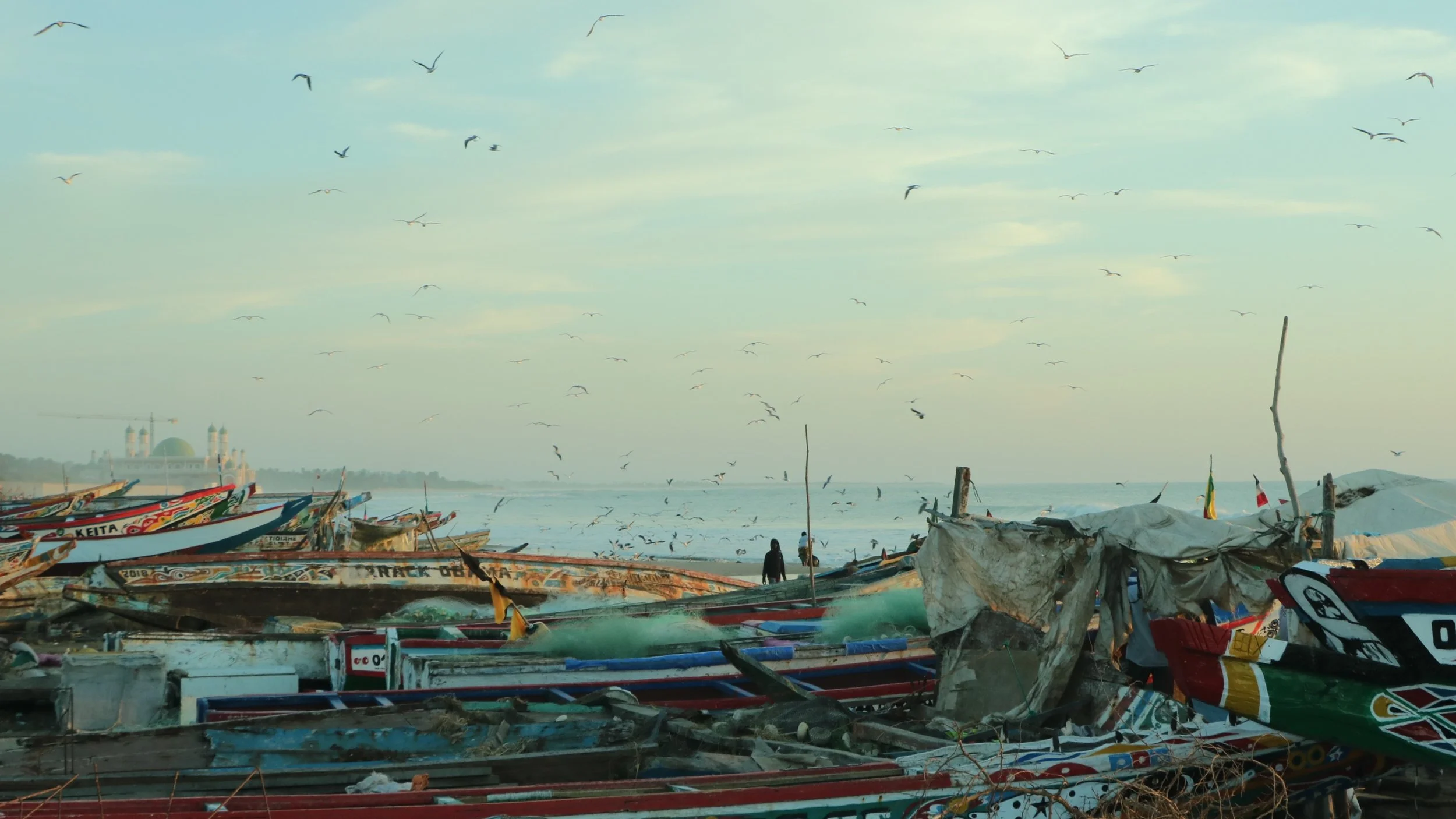
Header photo: Gunjur landing site, The Gambia, by Margaux Rochefort.

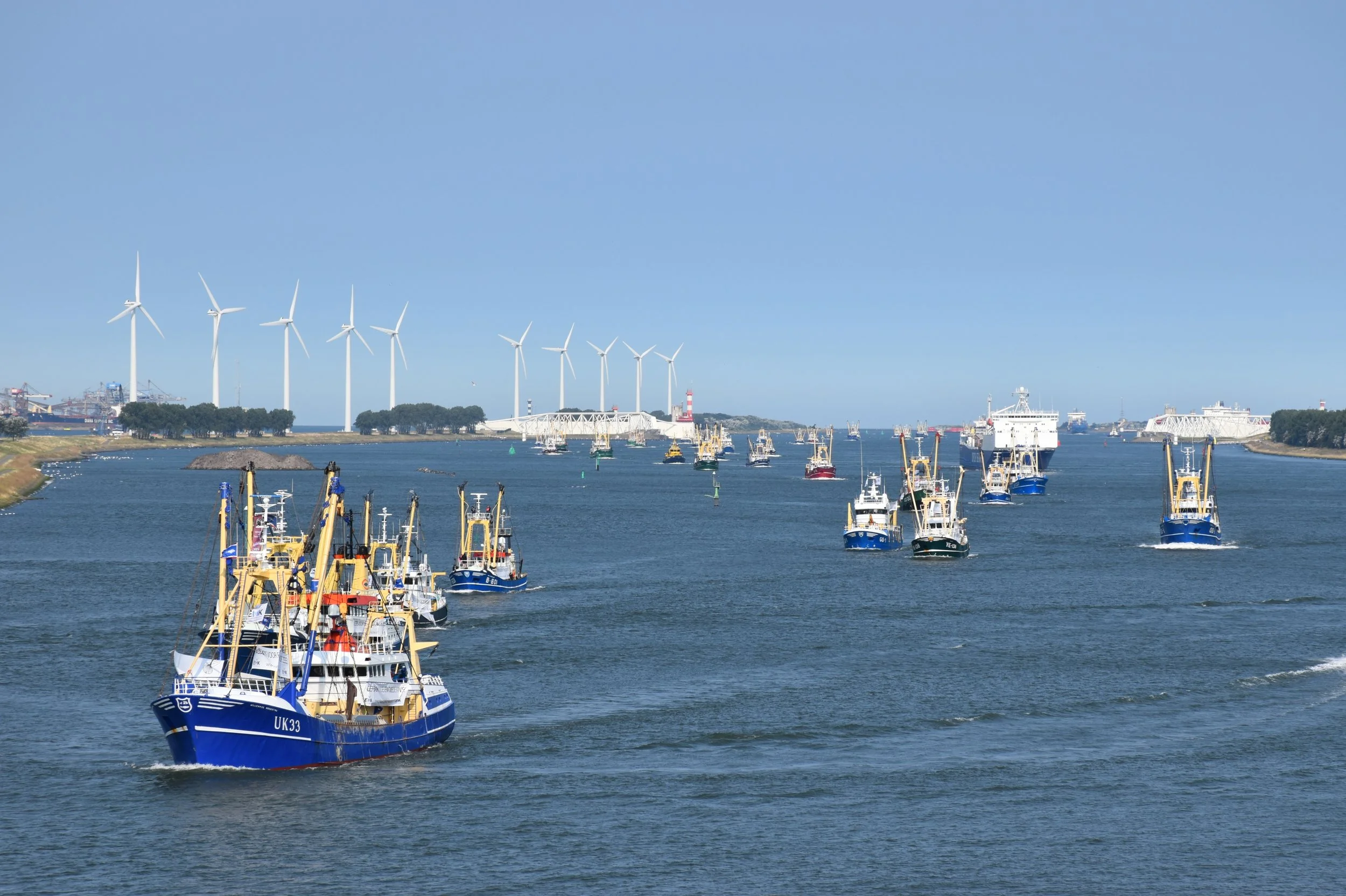
Ten reconnaissance licences for offshore gold mining were granted in February 2026 in Ghana’s territorial waters and are facing strong opposition from fisheries stakeholders. The company’s published map overlaps with the Inshore Exclusion Zone (IEZ), an area reserved for small-scale fisheries.