The Government of Guinea-Bissau has adopted a sweeping ban on the production of fishmeal and fish oil, stopping both offshore processing by factory vessels and onshore plants.
Announced on 29 January 2026, the ministerial decree prohibits fishmeal and fish oil production, suspends licenses for purse‑seine fishing of small pelagic species destined for reduction, and prohibits the use of fish supplied by artisanal fisheries for fishmeal and fish oil production.
The decree marks a clear recognition by Guinea-Bissau of the direct threat that fishmeal and fish oil production poses to local food and nutritional security, coastal livelihoods, and ecosystem health.
Papa Cá, President of the Guinean Platform of Non-State Actors in Artisanal Fisheries and Aquaculture (PLAGANEPA) stresses that ‘this is a positive measure for the protection of fish resources and the defence of the interests of artisanal fishing communities. It can contribute to the recovery of stocks and more sustainable management of marine resources’. The regional civil society platform PRCM described the measure as a ‘strong and necessary step to safeguard small pelagics for food security and ecosystems’.
“Guinea-Bissau’s ban on fishmeal and fish oil production is an explicit recognition of the threats this industry poses to food security, coastal livelihoods and the health of marine ecosystems.””
Beyond a national policy choice, this move echoes on-going regional efforts to manage shared small pelagic stocks sustainably, notably through the FAO’s EAF‑Nansen Programme and the Sub‑Regional Fisheries Commission (SRFC).
This decision by Guinea Bissau is more than an industrial ban; it is a test of whether fisheries governance in West Africa will prioritise food and people over reduction industries and distant-water interests.
Sardinella management demands cooperation
Most of West Africa small pelagic catches, particularly the sardinella species (Sardinella aurita and Sardinella maderensis), are shared across national waters from Mauritania down to Senegal, The Gambia, and Guinea-Bissau. These resources are the basis of local food systems and coastal economies, supporting artisanal fishers, fish processors – a majority of which are women –, fishmongers, and markets across the region.
Under the EAF‑Nansen Programme, targeted field projects have been supporting countries in applying an Ecosystem Approach to Fisheries (EAF). This approach emphasizes the integration of biological, ecological, and social dimensions in fisheries governance, recognizing that sustainable use must balance resource conservation, human wellbeing, and ecosystem health.
One cornerstone regional effort under this umbrella has been the Shared Sardinella Initiative, which promotes cooperation among States sharing sardinella stocks to develop harmonised management plans and strengthen capacity for sustainable exploitation. Through scientific surveys, data collection, stakeholder workshops, and policy dialogues, the initiative has helped generate better information on stock status and fostered a shared understanding of the ecological and socioeconomic importance of sardinella.
In Guinea-Bissau, the EAF‑Nansen Programme supported the launch of a national project on sustainable sardinella management in late 2024, bringing together government, research institutions, civil society, and fishery stakeholders.
More than a ban: a regional signal for the future of small pelagics
Guinea-Bissau’s ban on fishmeal and fish oil production goes beyond stopping specific industrial activities. If efficiently implemented, it will signal a strategic reorientation toward prioritizing small pelagics for human consumption and sustainable fisheries management, an objective long advocated for by regional initiatives.
By taking this stance, Guinea-Bissau helps ensure that small pelagics remain available for fresh and processed fish products consumption, maintaining supply to local markets and preserving affordable protein sources for inland and coastal populations.
The ban is also suspected to support efforts to sustain traditional processing sectors, where women are most active, and which play a central role in employment, income generation, and equitable distribution of fish resources.
“In Guinea-Bissau, the implementation of the new decree could redirect fishery resources toward human consumption, safeguard small pelagic species, empower women-led artisanal sectors, and reinforce sustainable ecosystem governance.””
The measure also reinforces the principle that fisheries governance should be guided by ecosystem and food security objectives, in line with the ecosystem approach guiding FAO and SRFC work.
By taking decisive action at the national level in support of principles embraced at the sub‑regional level, Guinea-Bissau’s policy gives a boost to collaborative management objectives. But protecting small pelagics is not only a matter of national regulations; it also depends on whether distant-water stakeholders respect the spirit of those rules.
What this means for Guinea-Bissau’s fisheries relations with the EU
In the context of the EU-Guinea Bissau Sustainable Fisheries Partnership Agreement (SFPA), Guinea-Bissau’s ban on fishmeal production reinforces the food security priorities already recognised in the current protocol. Indeed, under that protocol, EU-flagged vessels are restricted from targeting small pelagic species such as sardinella to safeguard local food security and ensure stock sustainability. Guinea-Bissau is therefore aligning its domestic policy with the logic underpinning its SFPA protocol.
For Papa Ca, however, some challenges have to be addressed to ensure this ban leads to positive impacts for livelihoods and food security: ‘in order for fishers to be able to direct their production towards the local market and human consumption, it is essential to invest in infrastructure for the conservation, processing and marketing of fish. This includes cold chains, support for artisanal marketing and processing activities, - often carried out by women in coastal communities-, facilitating access to finance, training. Only then can this measure become a real opportunity to strengthen artisanal fishing, improve community incomes and promote food security in the country’.
These concerns echo those of the European Parliament. In their scrutiny of the current SFPA protocol, parliamentarians stressed how small pelagics are critical for food security, underlining that fishmeal production is one of the main factors contributing to their over-exploitation. They further called for stronger monitoring of sectoral support to ensure benefits for local communities that supply fish products for the local markets.
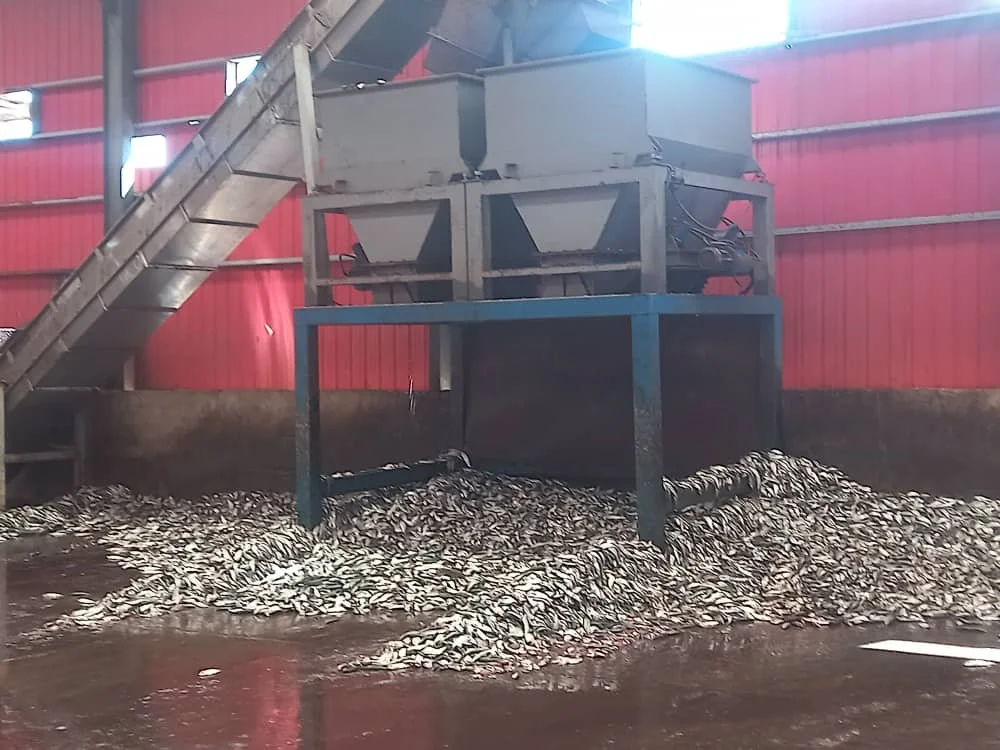
By limiting the diversion of small pelagic fish to fishmeal production, more of these resources remain available for local markets of fresh and processed products, supporting employment and women’s incomes. Photo: A fishmeal factory in the Biombo region of Guinea-Bissau. Source: anonymous.
The ban also strengthens the role of women fish processors and local value chains, a priority echoed in EU development cooperation and fisheries governance debates. By curbing the diversion of small pelagics into fishmeal production, more fish can remain available for domestic fresh and processed markets, supporting women’s employment and revenue.
EU responsibility doesn’t end at the flag
Yet while EU-flagged vessels are barred from fishing small pelagics under the SFPA, vessels of EU origin continue to access these same stocks through reflagging – here, under the Guinea-Bissau flag – a practice that undermines the conservation intent of the SFPA.
This governance gap is compounded by persistent opacity in industrial fishing and fishmeal supply chains in West Africa. Information on who is fishing, which markets are the catches destined for, and under what conditions, remains limited. Such opacity weakens national management and erodes trust in fisheries agreements, reinforcing perceptions that powerful foreign interests can override local food security and conservation priorities.
What the EU should do next
In light of Guinea-Bissau’s policy shift, the EU should adapt its cooperation with its partner under the SFPA and broader development instruments, to support the implementation of the ban. This could be achieved through sectoral support funds, by prioritising monitoring, control and surveillance (MCS) to ensure that fleets previously fishing for reduction industry have indeed stopped their activity; by supporting data collection on small pelagic catches. Such measures align with the SFPA’s objective of strengthening fisheries governance.
“To enable fishers to supply the local market and meet human consumption needs, it is essential to invest in fish conservation, processing, and marketing, support artisanal activities – often led by women – and facilitate access to finance and training.””
The EU should also monitor the effectiveness of the ban within the framework of the EU-Guinea Bissau SFPA Joint Committee, including reviewing catch data, trade flows, and any evidence of illegal diversion of small pelagics to fishmeal and fish oil production channels.
In line with the EU gender policy in international partnerships, support should also be increased for women-led processing activities, including cold‑chain improvements, and local market infrastructure so that small pelagics retained for human consumption use can generate higher social and economic value within Guinea-Bissau.
Finally, the EU must take responsibility for the conduct of vessels of EU origin, regardless of their flag. This means strengthening transparency and beneficial-ownership reporting to prevent circumvention of conservation rules, ensuring that EU-owned vessels all face equivalent standards even when reflagged, and supporting regional monitoring, control and surveillance capacity in Guinea-Bissau and the region.
From paper to practice
Implementation of this ban will be key. Strong enforcement, stakeholder engagement, and regional coordination through SRFC and FAO processes will determine whether the ban translates into real ecological, food security and social gains. If backed by coherent international support, including from the EU, Guinea-Bissau’s fishmeal production ban could mark a turning point toward fisheries governance that puts people, food security, and ecosystems first across West Africa’s small pelagic fisheries.
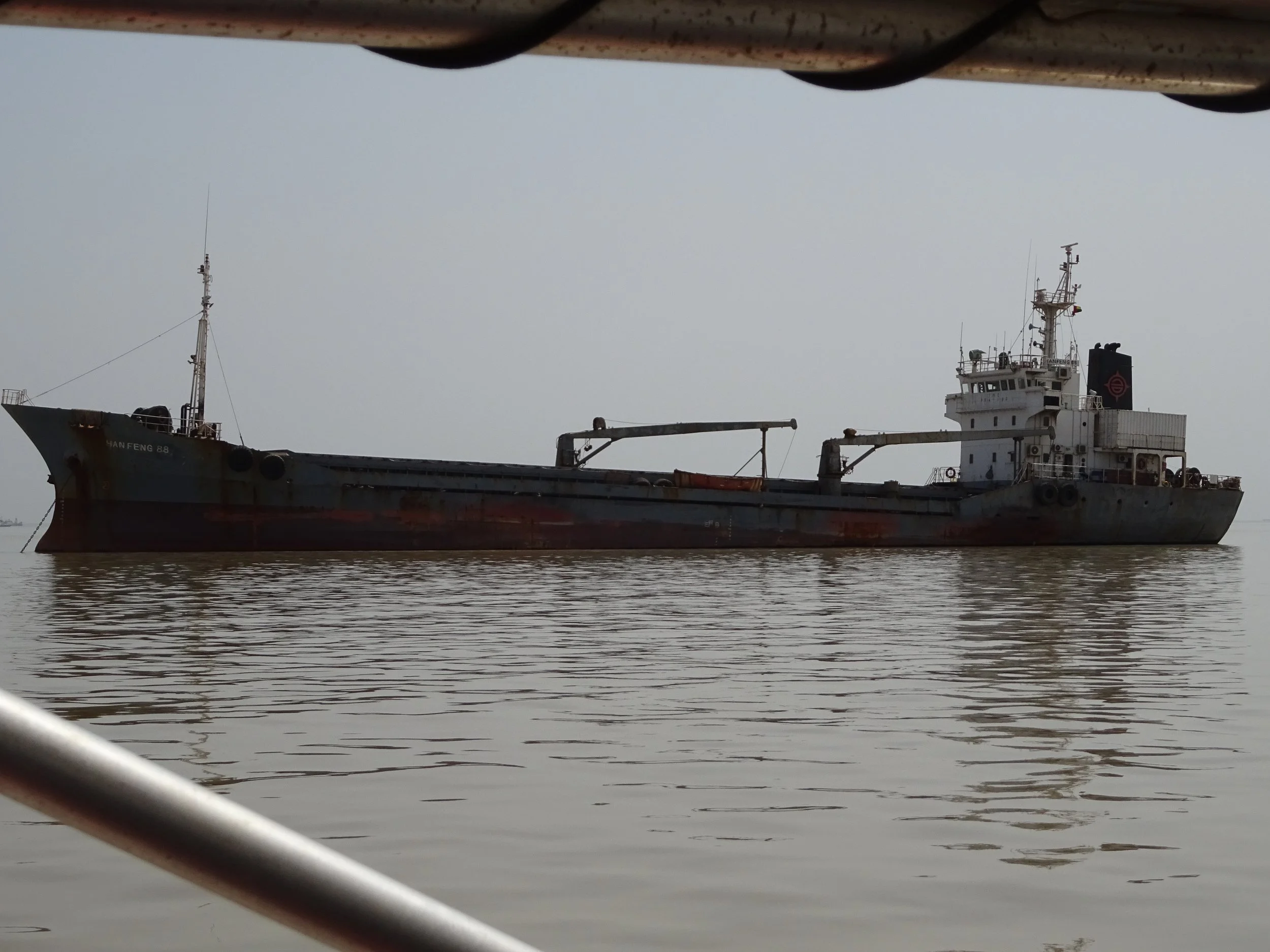
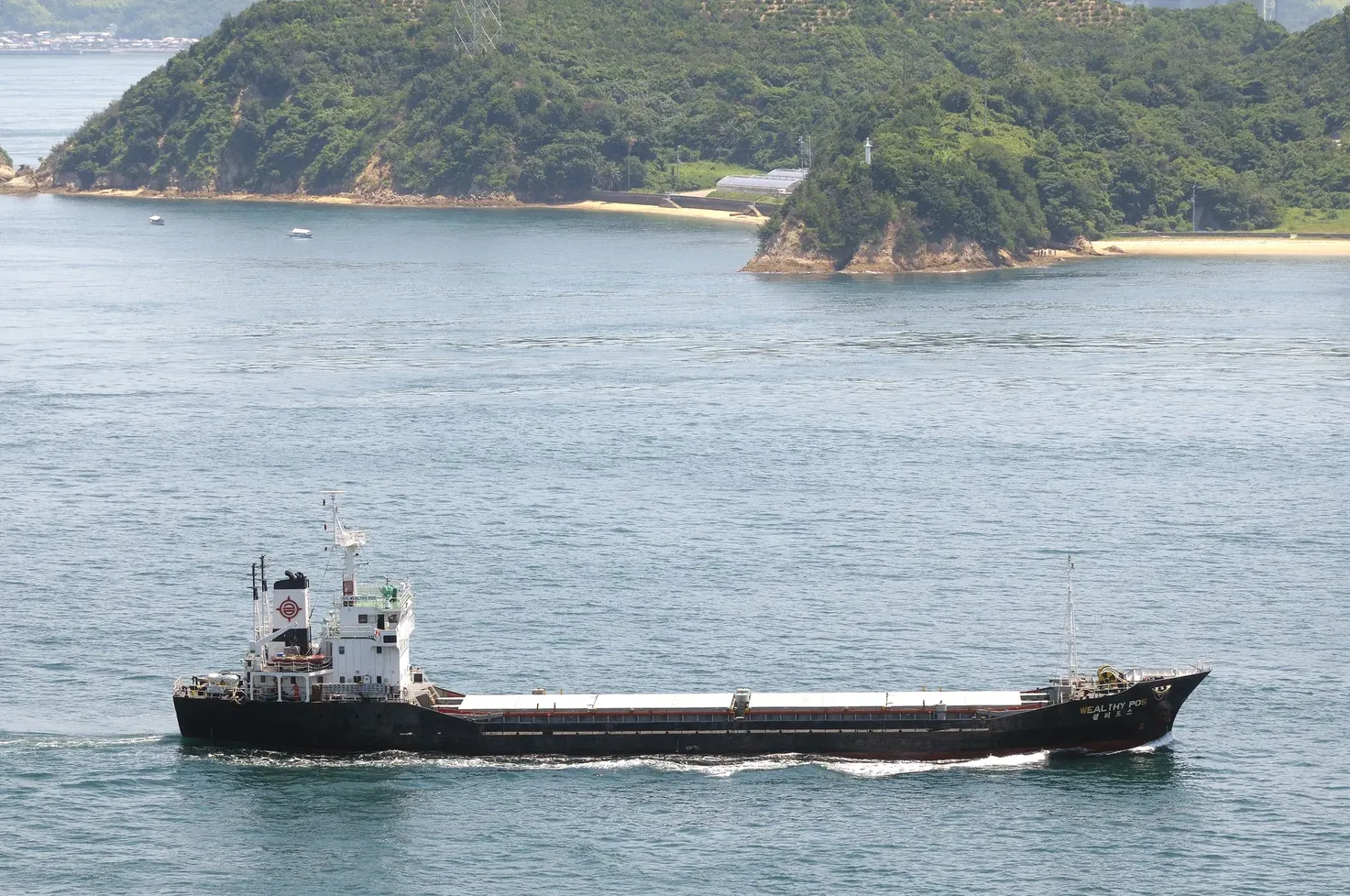
Banner photo: the HANFENG 88, a Chinese cargo ship reportedly transporting fishmeal produced in Guinea-Bissau to the port of Dakar. Image captured in Guinea-Bissau waters on 30 January 2026 by an anonymous source.


At its biennial gathering, the FAO Committee on Fisheries celebrated its 60th anniversary as well as the 10 years of the entry into force of the Port State Measures Agreement (PSMA). Small-scale fisheries received strong recognition, but significant gaps remain between words and action.