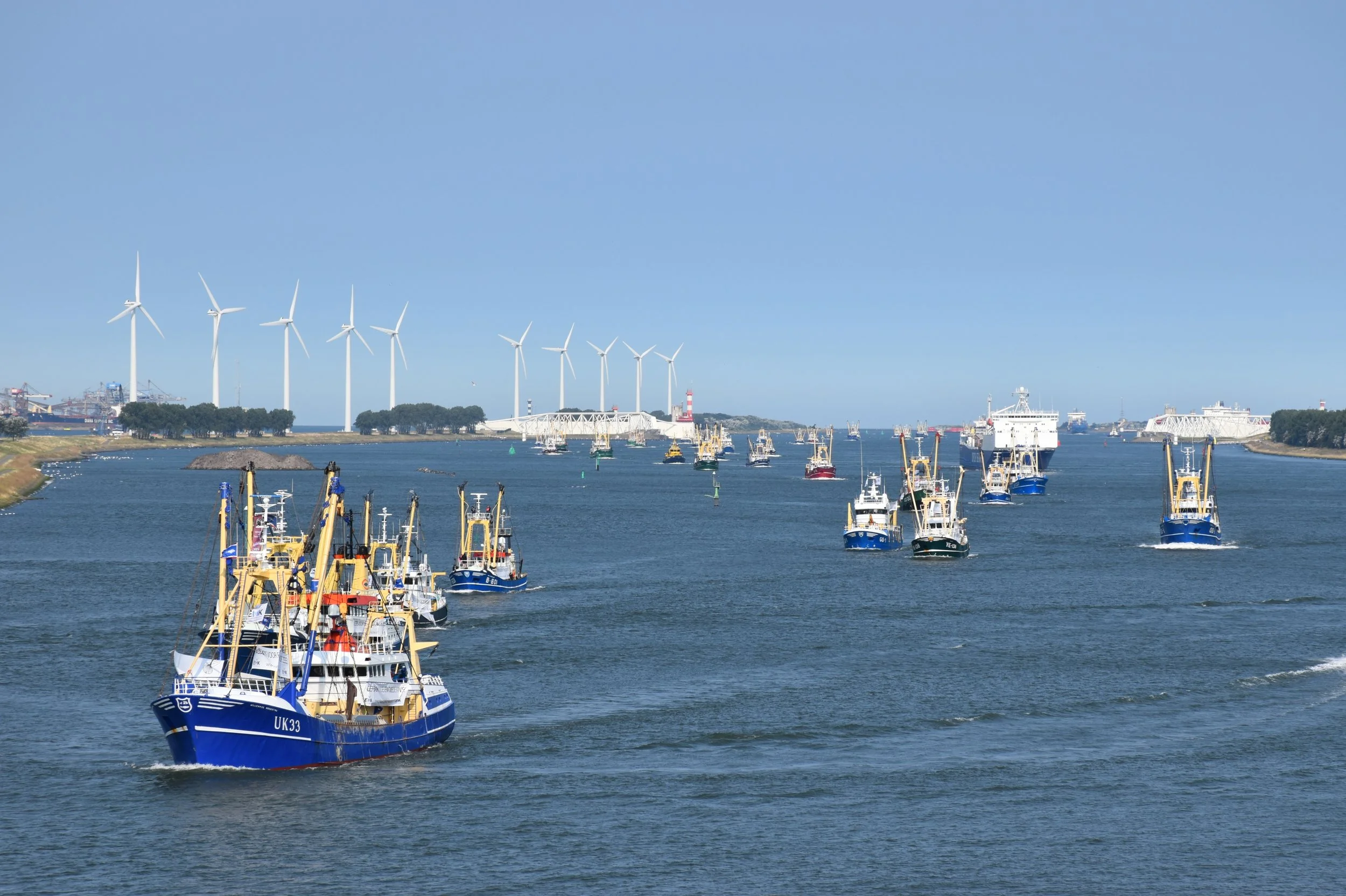

At the WTO’s 14th Ministerial Conference in Yaoundé, ministers reaffirmed commitment to continue negotiations on harmful fisheries subsidies. While the 2025 Fish 1 agreement marked progress, major concerns persist over industrial fleets, overcapacity, and impacts on African artisanal fishers.
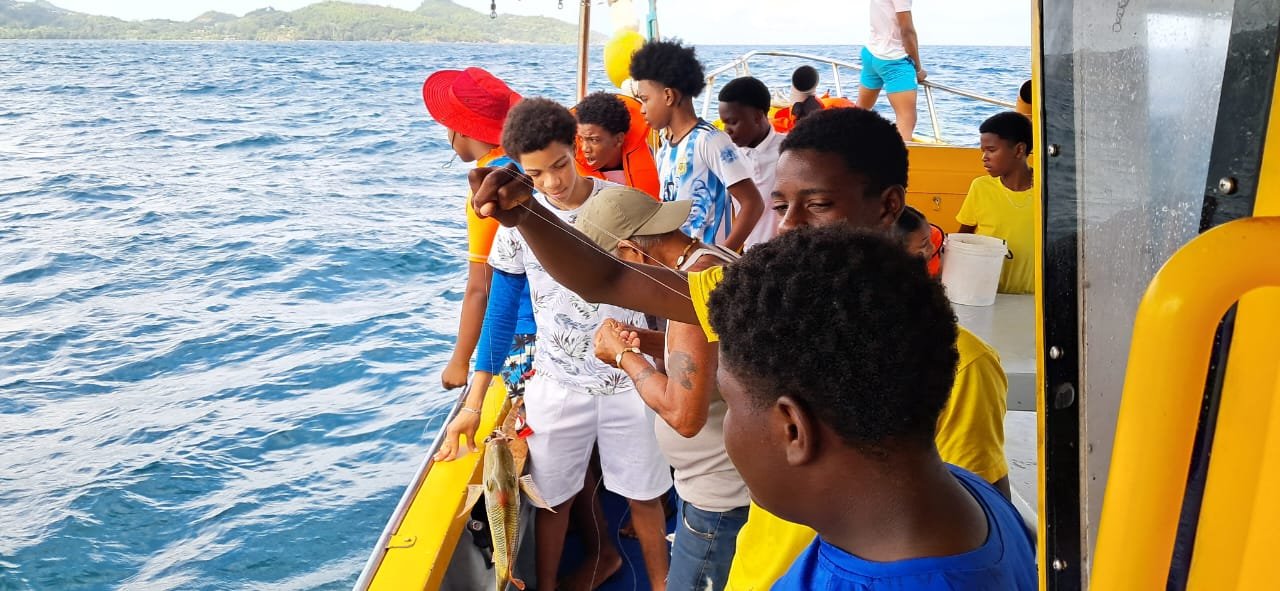
In Reykjavik, African small-scale fisheries advocate their role in sustainable ocean management
Fiti standard 2.0: a step forward for fisheries transparency; a foundation to build on
Guinea-Bissau halts fishmeal production: a turning tide for small pelagics fisheries in the region?
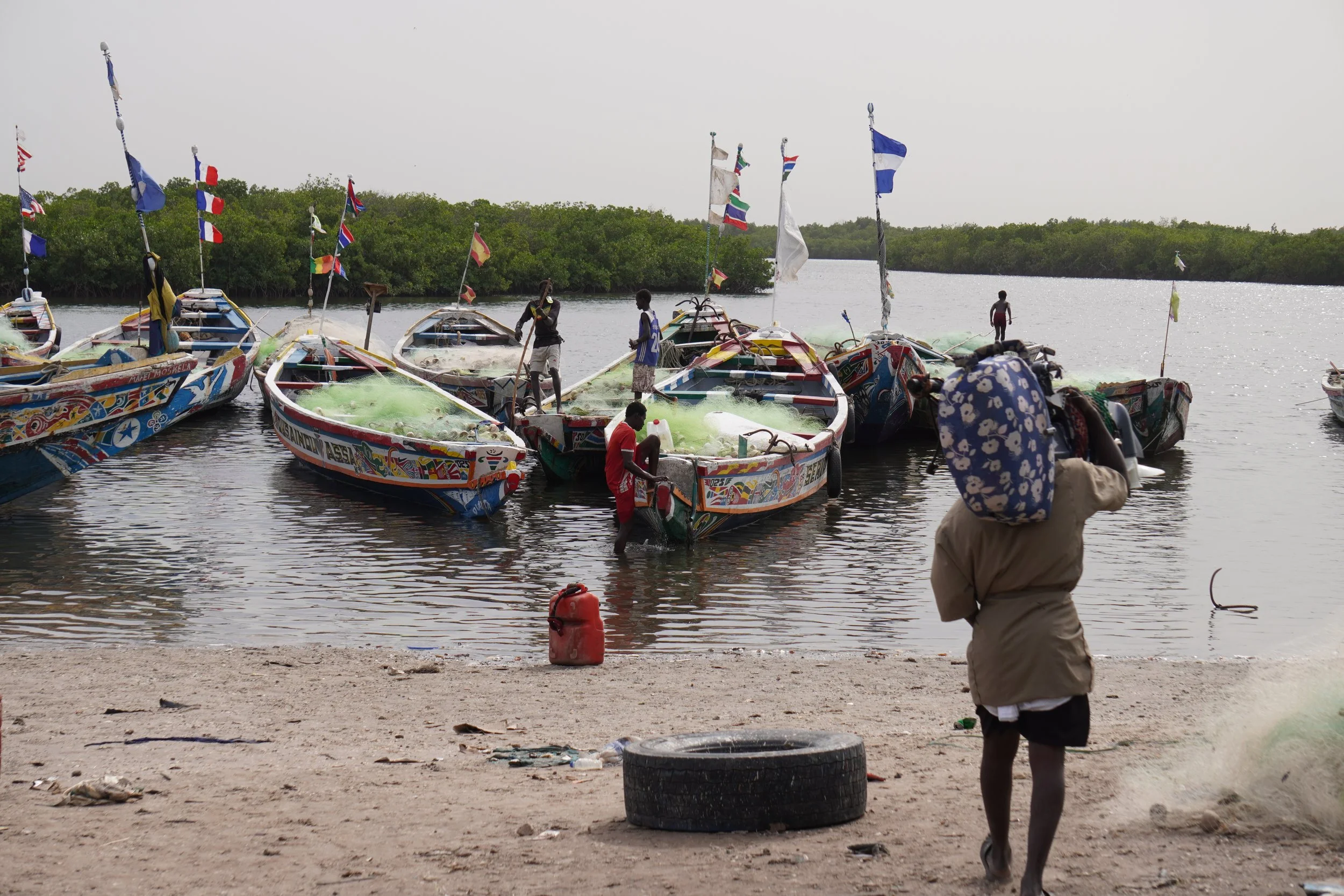
Guinea-Bissau has prohibited the production of fishmeal and fish oil. The objective is to safeguard national food security, preserve marine ecosystems, and protect coastal livelihoods, while supporting the sustainable regional management of shared fish stocks. The effectiveness of this decision will ultimately depend on robust enforcement and implementation.
Beyond the high seas: why the BBNJ Agreement matters for African artisanal fisheries
The BBNJ Agreement reshapes the governance of fisheries without imposing direct regulations: high seas MPAs could displace fishing effort into African EEZs, potentially increasing competition to access for small-scale fisheries. At the same time, the treaty legitimizes negotiated and community-based spatial management tools.

The blue sapphire anniversary of EU Fisheries Access Agreements: time for change?
A recent study in Nature Sustainability reviews 45 years of EU fishing access agreements with countries across Africa, the Pacific, and beyond. It shows how a small number of EU fleets have consistently captured the lion’s share of fishing opportunities and economic benefits, leading to lasting power asymmetries.