Early September in Rome, the FAO Committee on Fisheries, the principal global forum for fisheries governance, held its 37th Session and commemorated 60 years of existence.
During this session, COFI members also celebrated the tenth anniversary of the entry into force of the Agreement on Port State Measures (PSMA), reiterating its importance in r the fight against illegal, unreported and unregulated (IUU) fishing.
During this session, small-scale fisheries’ importance and contribution “to food and nutrition security, livelihoods and socio-economic well-being of coastal communities” were fully established. However, this recognition and underscoring need to be translated into meaningful action. Mr. Robin Davies, WWF, speaking on behalf of a group of 12 NGOs recalled that “Sustainable Development Goal (SDG) 14 ‘life below water’ is the least funded sustainable development goal, and that small-scale fisheries remain insufficiently reflected in SDG 2 ‘zero hunger’”.
After being absent from the agenda at the previous COFI session in 2024, small-scale fisheries returned as a dedicated agenda item. They were also highlighted as a sector deserving attention across other agenda items, particularly those concerning trade, the fight against IUU fishing, and measures to adapt to and mitigate climate change. However, small-scale fisheries were absent in other discussions that are of particular significance to them, notably the BBNJ Agreement and WTO agreement on fisheries subsidies.
A GRIM PROSPECT FOR AFRICA: A DECLINING FISH AVAILABILITY
The State of World Fisheries and Aquaculture (SOFIA) is a flagship peer-reviewed publication from FAO gathering data on fisheries and aquaculture from COFI members. Its latest edition shows that, for the first time, aquaculture production surpassed that of capture fisheries. However, Jörn Schmidt, Director of Sustainable Aquatic Food Systems at WorldFish, challenged COFI members to “look beyond production volumes and export revenues”. He pointed out that inland fisheries and small-scale production are not always visible in national statistics. He also called on members to “measure nutrition and affordability, not only tonnes”.
SOFIA report also looks into the future and identifies Africa as a region where challenges are expected to emerge. Despite the highest projected growth in total aquatic food availability by 2034, Africa is the only region where per capita availability is expected to decline due to rapid population growth. The EU expressed concern about this trend, underscoring that Africa already has the lowest per capita fish availability: “the benefit of fisheries and aquaculture growth does not reach those that most need”, said Mr. Martin Selmayr, Head of the EU Delegation in Rome.
In response, the African Confederation of Artisanal Fisheries Organisations (CAOPA) called for more investment in the value chains, so that less fish are lost between landing and consumption and called for banning fishmeal and fish oil production in West Africa: “The growth of reduction industry is putting fish availability even more at risk. Fish should be for human consumption first”, said Dawda Saine, secretary General of CAOPA. Unfortunately, these concerns were not incorporated in the final draft COFI report.
NEW GLOBAL AGREEMENTS: WHERE ARE SMALL-SCALE FISHERS?
COFI members discussed the latest developments in international agreements and other instruments relating to fisheries and aquaculture. Since last COFI session in 2024, two new agreements have entered into force, namely the Agreement on the Conservation and Sustainable Use of Marine Biological Diversity of Areas beyond National Jurisdiction (BBNJ) and the WTO Agreement on fisheries subsidies. Discussions focused mostly around the key role of Regional Fisheries Bodies and Members stressing that this role should not be undermined, particularly under the BBNJ agreement.
Small-scale fisheries were absent both from the discussions and the final report –reinforcing CAOPA’s main criticism: “Across these international processes, coastal communities are still too often absent from decision-making processes”, it stressed. Ms. Mercy Mghanga, a fishmonger from Kenya, stated during her intervention that “BBNJ, WTO and other agreements are shaping the future of fisheries governance”, explaining how these agreements affect access to resources, market opportunities, conservation measures and public support systems. She concluded: “The SSF Guidelines should serve as a benchmark to ensure that international agreements respect the rights of small-scale fishing communities.”
A CALL TO MAKE FISHERIES AN ATTRACTIVE SECTOR FOR YOUTH“
Too many young people see small-scale fisheries as insecure and difficult work with limited prospects,” recalled Nancy Ramkalawan-Onginjo, president of the Seychelles Boat Owners Association, speaking for CAOPA. In a refreshing intervention [JP12] after a multitude of statements mentioning figures and institutional reports, she challenged COFI members to make fisheries “a viable and attractive choice—a sector offering decent work, entrepreneurship, innovation and sustainable livelihoods”. This, she said, requires “equitable and preferential access to resources, secure livelihoods and opportunities for young people to build their future.”
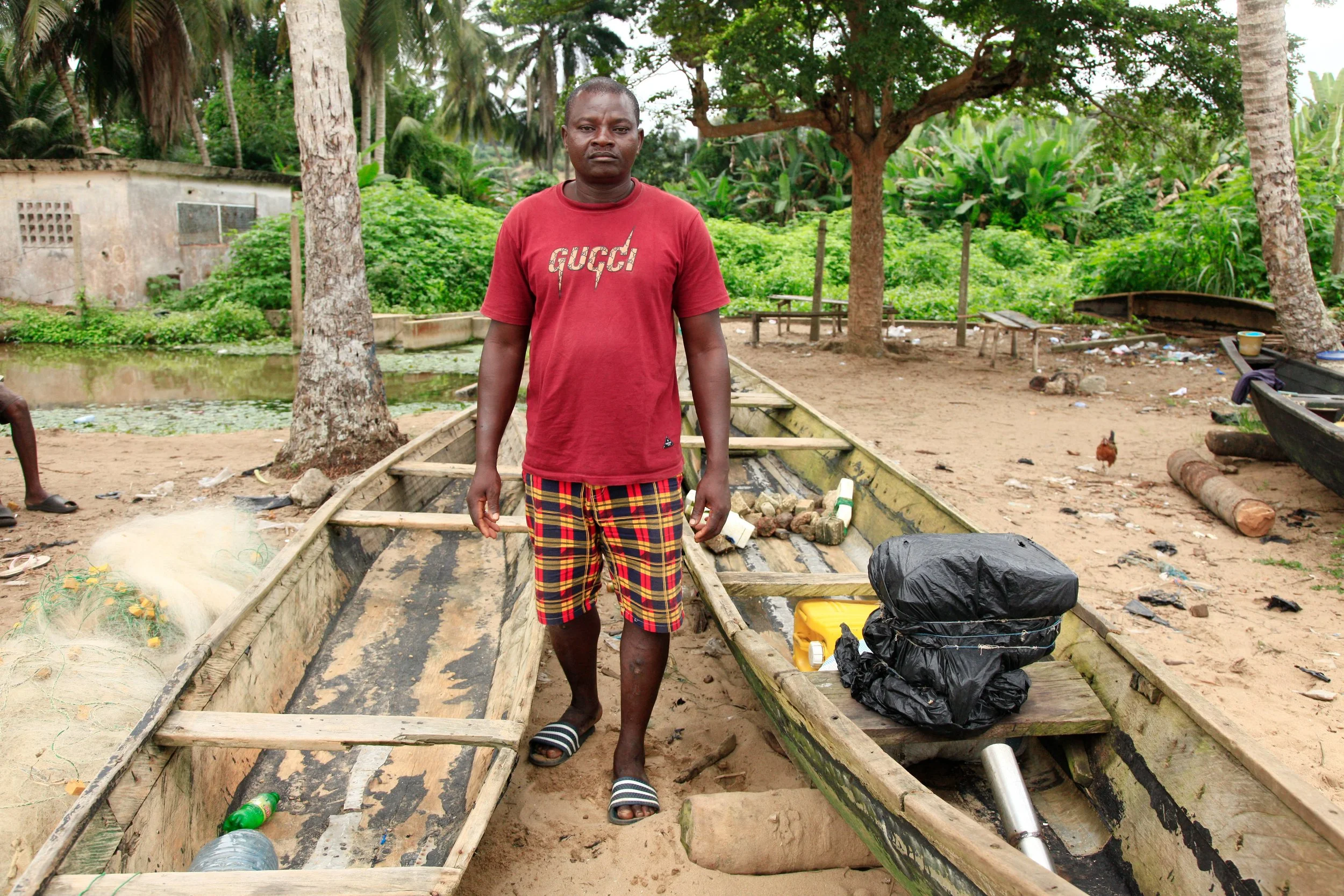
Banner photo: The Ivorian fisherman Joseph Aka Comoé next to his pirogue. Mr. Comoé appears in a video on the social impacts of biological rest.

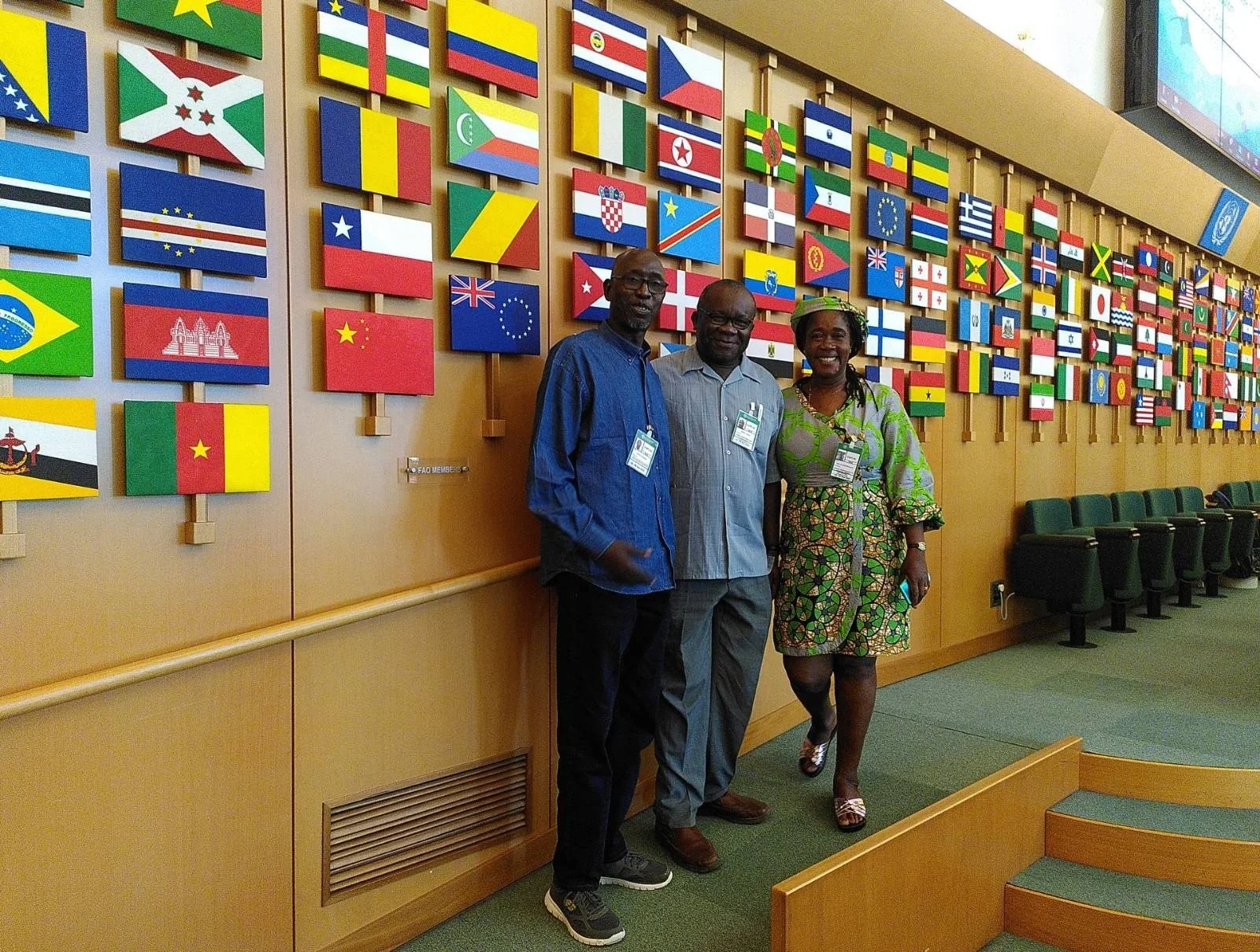


At its biennial gathering, the FAO Committee on Fisheries celebrated its 60th anniversary as well as the 10 years of the entry into force of the Port State Measures Agreement (PSMA). Small-scale fisheries received strong recognition, but significant gaps remain between words and action.