By Marlène Yassi Dali
Marlène Yassi Dali is a fisheries sector professional with seven years of experience managing the small-scale fisheries port of San Pedro in Côte d’Ivoire. Now an independent consultant, she works with small-scale fisheries stakeholders to advance participatory and transparent governance, while also contributing to mangrove conservation efforts.
Pictures by Olivier Messou, unless otherwise stated.
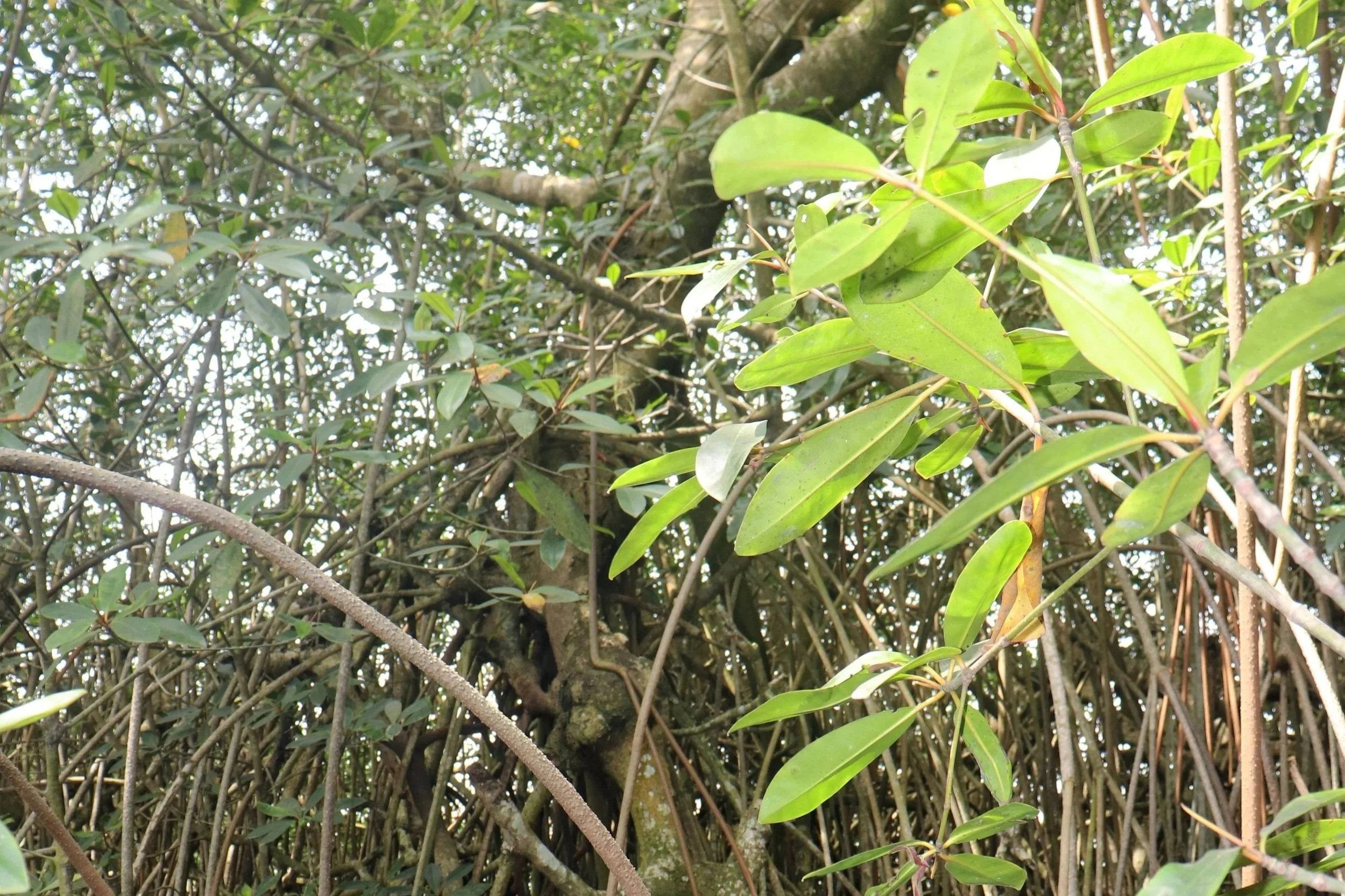
Rooted in saltwater yet reaching toward dry land, mangroves thrive where few other trees can survive. These amphibious forests protect coastlines, shelter marine biodiversity, and slow erosion.
Yet across West Africa – and particularly in Côte d’Ivoire – this natural ally is in decline, eaten by urbanisation, land reclamation, logging, and pollution. From Bonabéri to Douala, in Cameroon, and from Sassandra through Dabou, Grand-Lahou, and Abidjan in Côte d’Ivoire, the rapid loss of mangrove ecosystems over the past decade is deeply alarming.
The disappearance of mangroves is not merely the loss of trees; it signifies the erosion of natural coastal defenses, fish nurseries, and the livelihoods of thousands of families. Against a backdrop of rising sea levels and climate change, their destruction disproportionately affects coastal communities. Along the Ivorian coastline, the crisis is no longer theoretical – it is measured in threatened villages, eroding lagoons, and increasingly empty fishing canoes.
1) A worrying situation of mangroves in Côte d’Ivoire
In recent years, Côte d’Ivoire has experienced a resurgence of coastal flooding and rising sea levels, leaving communities in fear of seeing their villages disappear.
The situation in Lahou-Kpanda is an example of the vulnerability of coastal areas in Côte d’Ivoire. It is a fishing village located in the south of the country, on a narrow sand spit between the Tagba lagoon and the Gulf of Guinea, approximately 140 km west of Abidjan. This village is threatened with extinction by extreme coastal erosion – the ocean erodes around 40 metres of land each year, swallowing up homes, historic infrastructure and cemeteries, and forcing people to relocate. Climate change and stronger ocean currents are accelerating this phenomenon.
“As long as mangrove conservation and restoration are not effectively addressed, the reproduction of aquatic species will remain under threat, despite measures such as the government’s fishing moratorium, since their natural habitat continues to be degraded.””
According to Dr Amalachi, a researcher at the Centre for Oceanographic Research (CRO), these destructive phenomena – marked by loss of life and significant material damage – are also partly caused by the disappearance of critical ecosystems, particularly mangroves that once lined the coast. Of the 20,000 hectares recorded in 1990, only half remained by 2015. Since then, even these remaining 10,000 hectares, which are essential to the livelihoods of coastal communities, have also been exposed to ongoing deforestation.
At COP30 in November 2025 in Belém, Brazil, Yao Firmin, Director of the Blue Economy and Coastal Environment, reported that Côte d’Ivoire has already lost 62% of its mangroves. The country now faces erosion along 60% of its coastline, severe pollution in coastal zones and the Ébrié Lagoon, and mounting pressure on fishery resources – all while coastal populations remain among the most vulnerable to climate change.
2) Land reclamation in the Ébrié Lagoon
In 2025, conditions in Abidjan and the Ébrié Lagoon suddenly deteriorated. Reports from Ivorian media indicate widespread illegal land reclamation, posing a serious threat to mangrove ecosystems. Municipalities along the lagoon – from Koumassi to Biétry, via M’Pouto and Port-Bouët – are all affected.
According to RTI, businesses along the lagoon are eating away at the lagoon day by day to expand their operations. Transport companies, car dealerships, and real estate developers have all occupied lagoon margins, despite a legal ban on such activities.
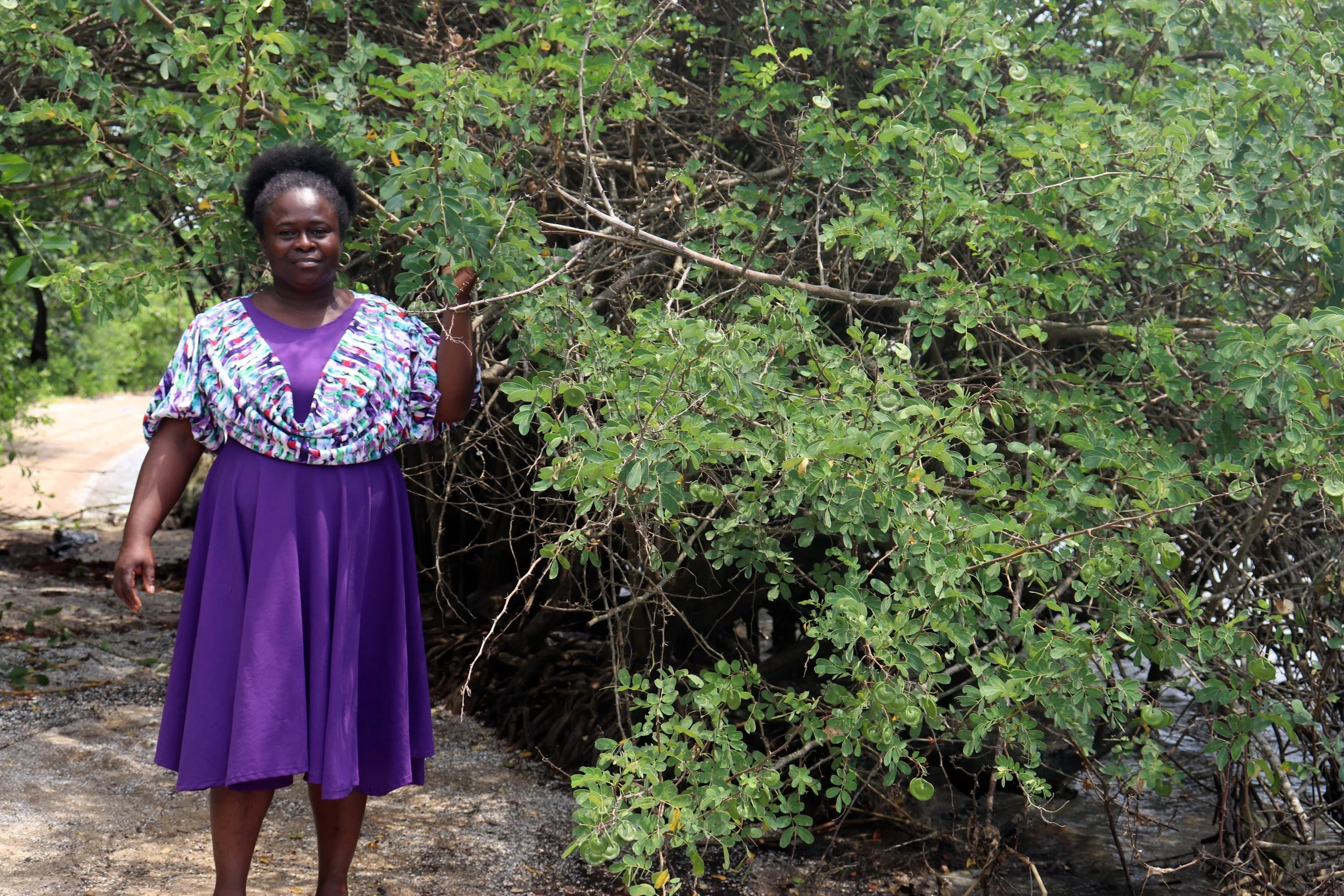
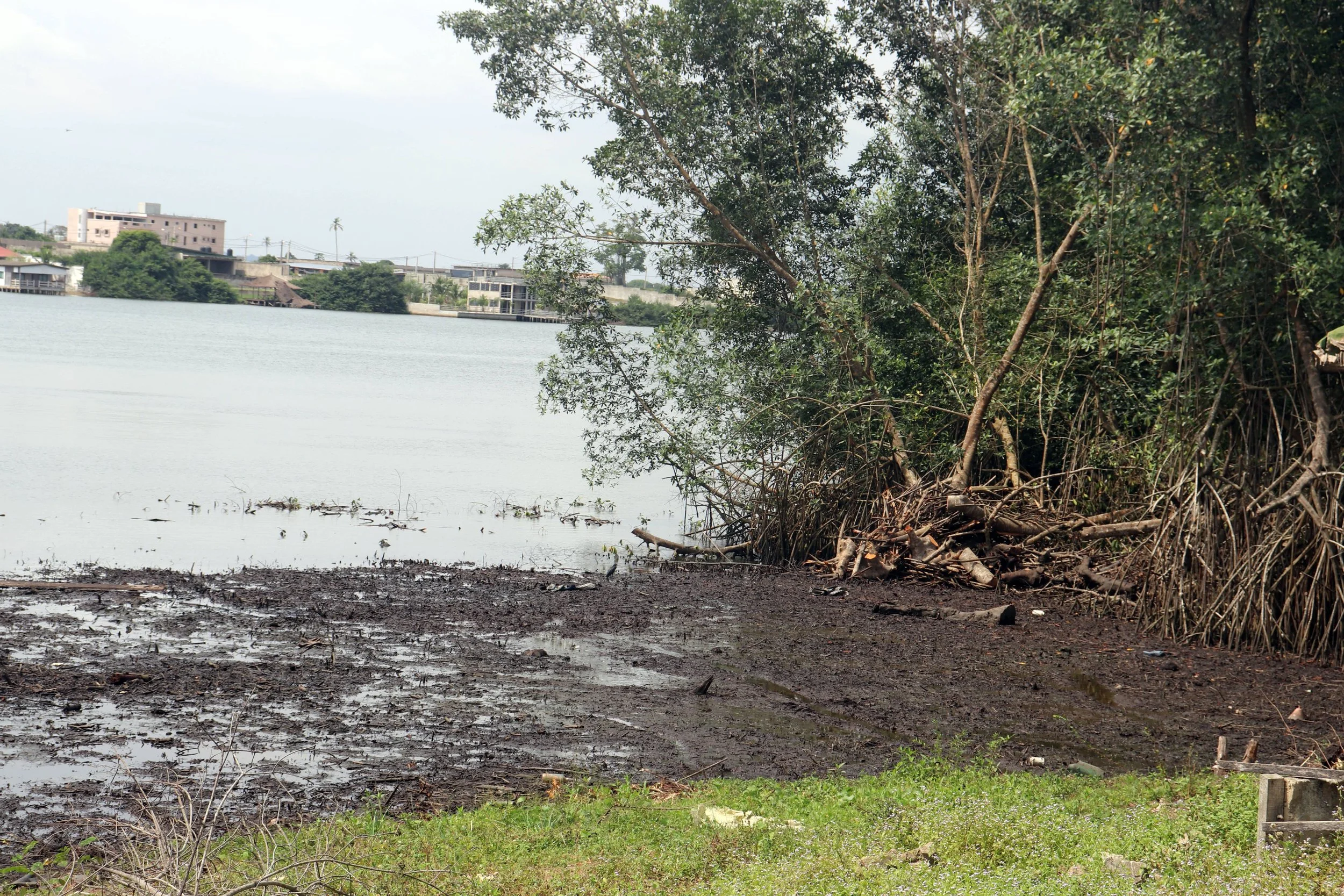
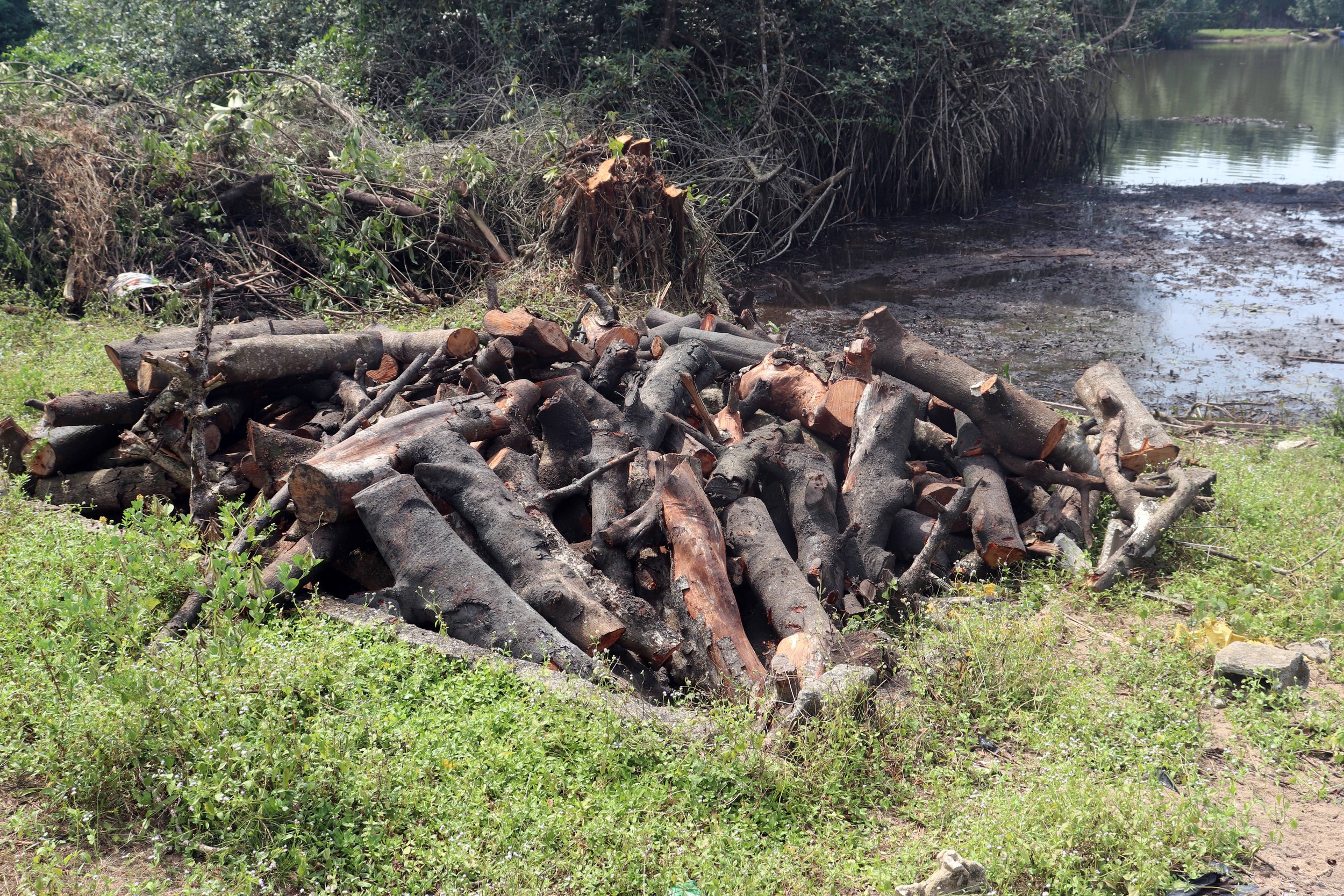
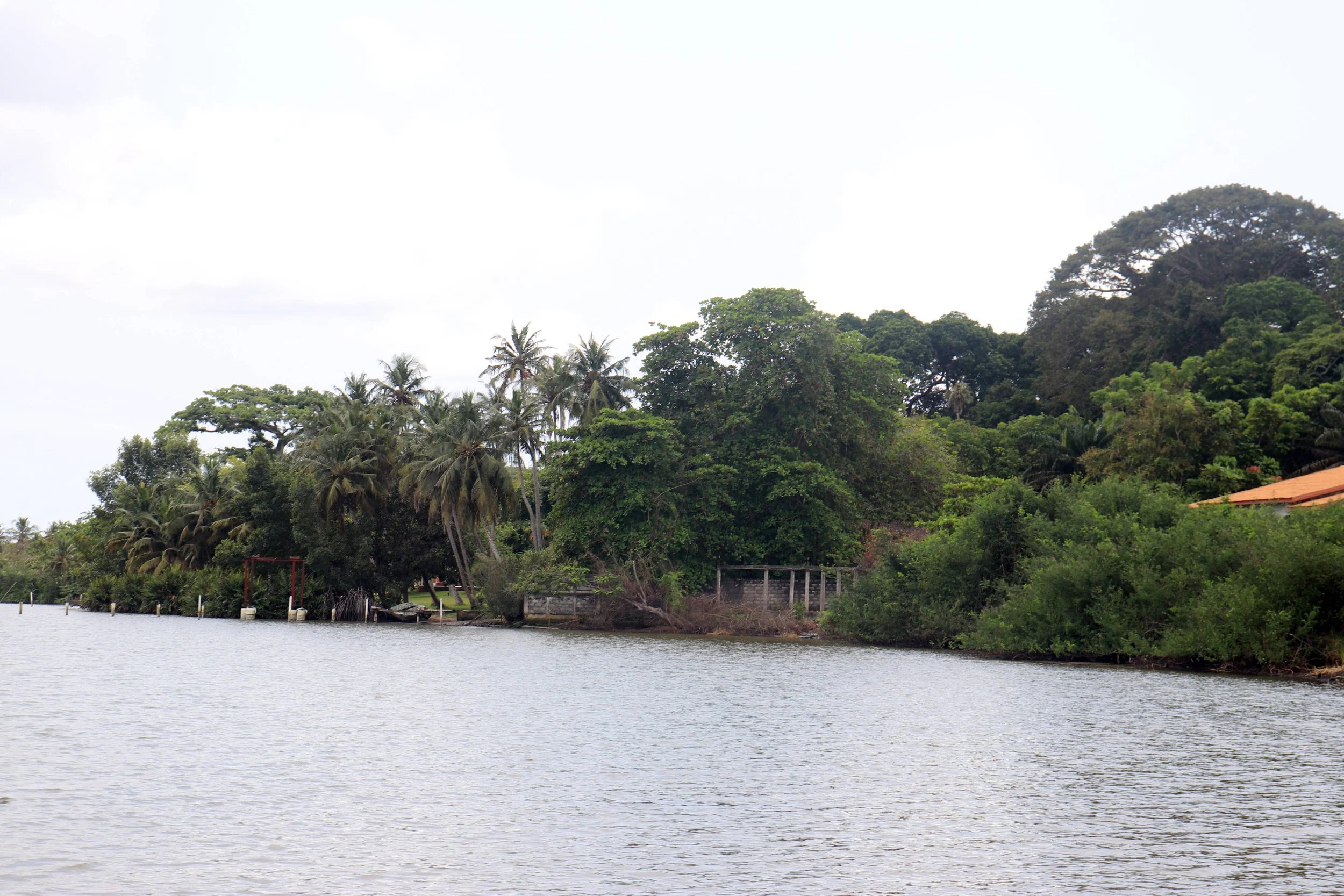
In Koumassi, sections of the lagoon – particularly near the Terminus area – have completely disappeared, replaced first by waste and then by informal housing, disrupting natural water circulation. In Koumassi Soweto, vast stretches of sand have gradually replaced open water.
The authorities are categorical: these activities are illegal; they have issued no authorisation for this purpose. Indeed, according to a 2019 decree, “the infilling of shorelines and waterways – including lagoons, rivers, channels, salt ponds, bays, and watercourses connected to the sea – is prohibited (…) except where such operations are undertaken by the State, its agencies, or a private legal entity holding a public service concession, and are justified by reasons of public interest, in particular for the execution of public works or infrastructure, environmental protection, or the development or rehabilitation of coastal areas.”
Nevertheless, experts report that large-scale illegal developments persist: over 30 hectares of lagoon have been reclaimed in Koumassi, and more than 300 hectares in Cocody M’Pouto.
These practices are destroying mangrove ecosystems and increasing flood risks. With the natural shield provided by mangroves gone, tidal surges more easily inundate residential areas. Once known as the “Pearl of the Lagoons,” Abidjan risks becoming a “Pearl of Landfills.”
3) Impacts of mangrove deforestation on small-scale fisheries
In Grand Lahou, chief fisher Yotio recalls a time when the canoes were filled with fish as the tides receded: “Now, we come back empty-handed more and more often.”
For Ouattara Kpatouma Achille, a blue economy entrepreneur in small-scale fisheries and chairman of the management committee of the Cooperative Society of Dynamic Agricultural Entrepreneurs of Côte d’Ivoire (SCEADCI SCOOPS), the decline in fish catches is largely due to the destruction of mangroves: “Many fishers contribute to this unintentionally by using mangrove wood for smoking fish or selling dried wood during periods of low activity,” he explains. Several fishers living in coastal villages admit they prefer mangrove wood for smoking fish because it leaves no aftertaste in the smoked fish and gives it a beautiful reddish colour. According to the FAO, “smoked fish accounts for 65% – or 1 million kilos – of all fish products sold in Côte d’Ivoire. Fish smoking provides 240,000 jobs, mainly for women.”
In Dabou, Mr Kpatouma is actively raising awareness and involving communities in mangrove reforestation initiatives. He advocates reducing large-scale logging and strengthening local engagement: “If communities understand the importance of mangroves, we will have taken a major step forward.”
For Mr Kpatouma, the reproduction of aquatic species will remain uncertain as long as mangrove conservation and restoration are not effectively addressed: “Three years ago, the government introduced a biological rest period to support the reproduction of aquatic species, yet the mangroves – their natural refuge – continue to be destroyed.”
Industrial pollution further worsens the situation, particularly around Yopougon and the port of Treichville, where waste discharge contaminates lagoon ecosystems. Cement plants and silica emissions add to the environmental burden.
In San Pedro, Adou Mambo Richard, a small-scale fisher of Ivorian-Ghanaian origin, speaks in the Fanti language to explain to his fellow fishers and the women fish processors the risks associated with the use of mangrove wood on fish reproduction. He also highlights the economic constraints faced by women fish processors. Admittedly, the growing use of Thiaroye ovens (FTT) or thermal treatment ovens (STT) reduce wood consumption, but their high costs limits widespread adoption among women fish processors. To combat deforestation, solutions must be found to address these concerns.
4) What are the responses to deforestation?
At COP10 in Nagoya (2010), Côte d’Ivoire committed to protecting 10% of its marine and coastal areas. This commitment materialised a decade later with plans to establish five Marine Protected Areas (MPAs), including Grand-Béréby (operational since 2022) and four others currently under development.
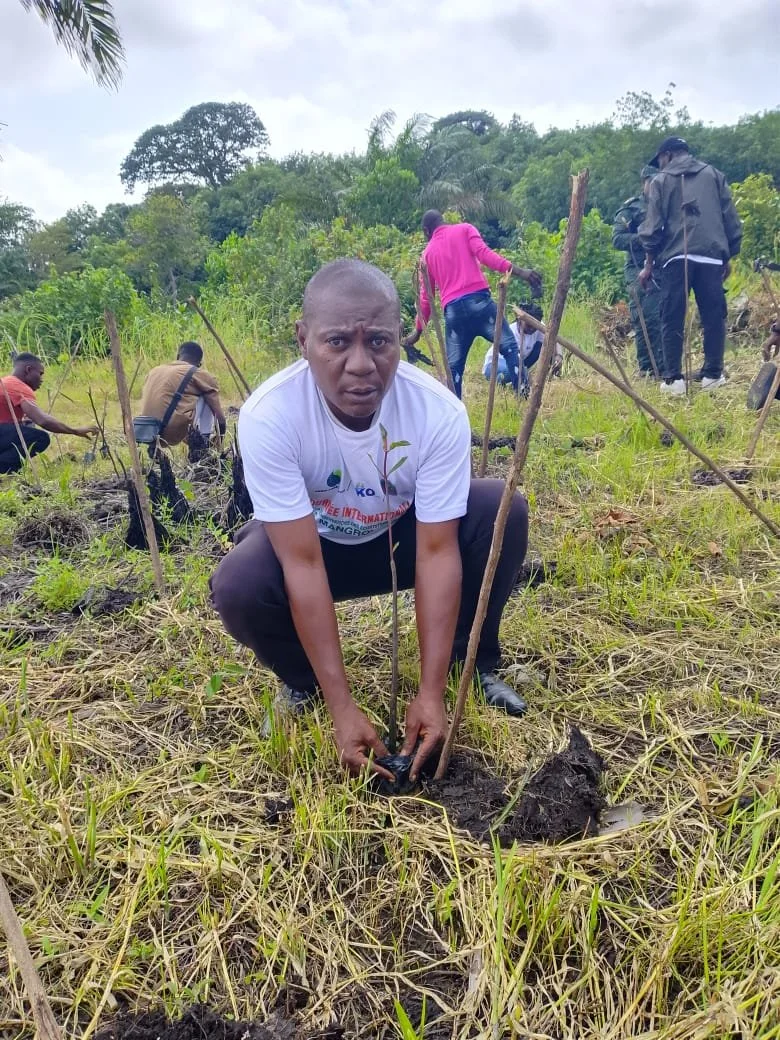
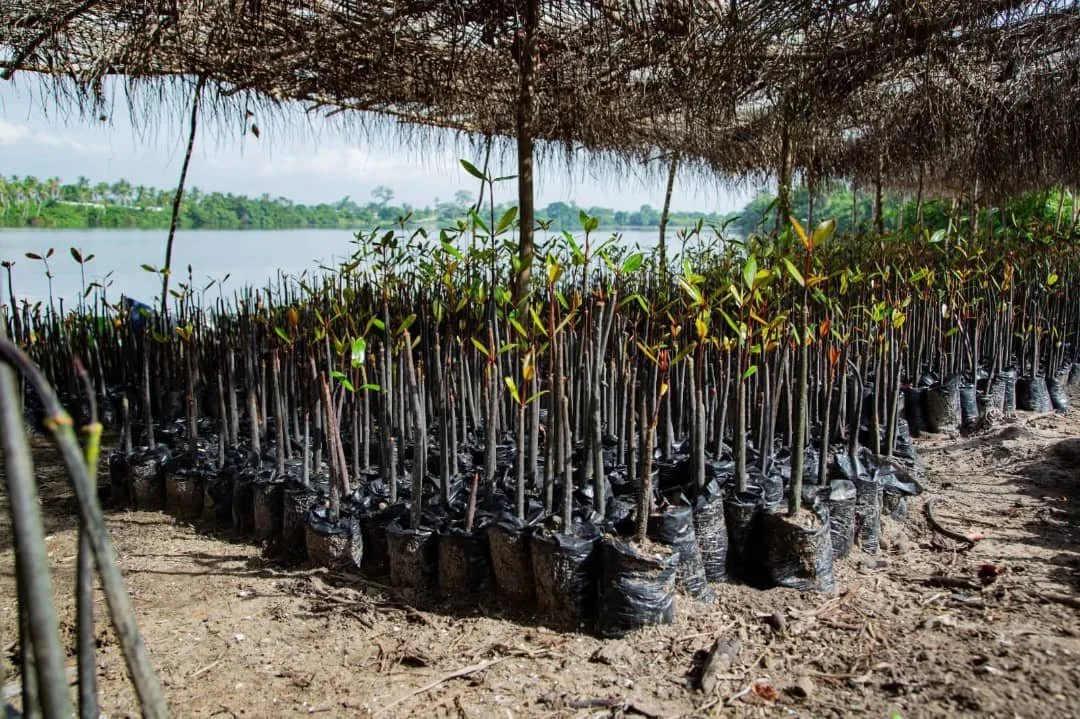
Ouattara Achille Kpatouma during a mangrove sapling planting activity organized by the Ivorian branch of the NGO Sauvons l’Environnement in Maffiblé 2, in April 2026. Daily monitoring of these saplings until maturity remains a major challenge. Photo: Marlène Yassi Dali.
Within these MPAs, activities threatening mangroves – such as logging, pollution, and uncontrolled urbanisation – are strictly regulated.
Aware of the scale of the challenges, the authorities are acting beyond regulation alone. To restore degraded ecosystems, mangrove reforestation programmes have been launched, grounded in scientific approaches and guided by management plans developed in partnership with institutions such as the FAO, the World Bank, the European Union, and UNEP. Given the magnitude of the situation, responses are necessarily multifaceted: government initiatives, private associations, and international organisations are all engaged through multisectoral programmes supported by a dedicated regulatory framework. These management plans notably include differentiated zoning, designed to reconcile mangrove conservation with compatible economic activities, such as regulated small-scale fisheries.
““The decline in fish catches is largely linked to the destruction of mangroves, to which some fishers inadvertently contribute by using mangrove wood for fish smoking or selling it during periods of low activity.””
Despite these mechanisms, mangrove restoration continues to face significant obstacles, including insufficient inter-ministerial coordination, overlapping administrative mandates, and weak monitoring of reforestation efforts through to maturity.
As highlighted by an official from the Ministry of the Environment, who requested anonymity: “While mangrove reforestation is a considerable challenge, the daily monitoring of these seedlings until they reach full maturity is an even greater one.”
Neighboring communities therefore have a crucial role to play in the monitoring and surveillance – potentially on a remunerated basis – of these seedlings. This would strengthen local ownership of restoration initiatives. Without such concrete support measures, projects that reduce their scope risk struggling to achieve lasting impact.
As the same official concludes: “One thing is certain: when designated areas include sacred forests, sites of religious worship, or places linked to cultural rites, we are reassured, as communities will protect them as the apple of their eye.”
5) The actions of international institutions and organisations in the restoration of mangroves
Although only one MPA has been fully established so far, these protected areas provide a stronger legal framework for mangrove conservation. Their protection remains more vulnerable outside these areas, where conservation falls under a less specific legal regime.
In Sassandra and Fresco, FAO-supported projects aim to restore approximately 350 hectares of mangroves, benefiting ecosystems where the mangroves provide habitat for key fish species of high commercial value, such as sardines and herring, and sustain nearly 2,000 small-scale fishers.
In Adiaké and Grand-Lahou, the West African Coastal Management Programme (WACA) provides management tools, trains a new generation of coastal scientists and managers, and involves local communities. Mangrove management committees have been set up in several villages to directly involve local communities.
In Abidjan, a restoration project launched in January 2026 by the French Embassy, in partnership with Nangui Abrogoua University and the French Institute for Sustainable Development, focuses on rehabilitating lagoon banks in Cocody to strengthen resilience to climate change.
Finally, the creation of an Anti-Landfill Brigade in 2025 by the Ministry of Maritime Affairs should, according to the authorities, enable the freezing of around twenty illegally filled areas and the identification of several sites in breach of regulations, mainly located in port areas, in Marcory, Biétry and Koumassi. More than 70 hectares of lagoon areas are reported to have been identified as sites of illegal landfilling. This illustrates the scale of these illegal operations and the Herculean task facing the relevant authorities.
6) Conclusion
Despite growing efforts, mangrove conservation in Côte d’Ivoire remains fragile. Institutional weaknesses, inadequate monitoring, and persistent illegal practices continue to undermine progress.
However, increasing awareness, stronger community involvement, and the gradual expansion of protected areas offer cautious optimism. If these efforts are sustained and scaled, they could significantly improve the outlook for mangrove preservation by 2035.
For now, however, the situation remains deeply concerning.
Banner photo: mangrove nursery in the Mafiblé 2 district of Abidjan, Côte d’Ivoire.
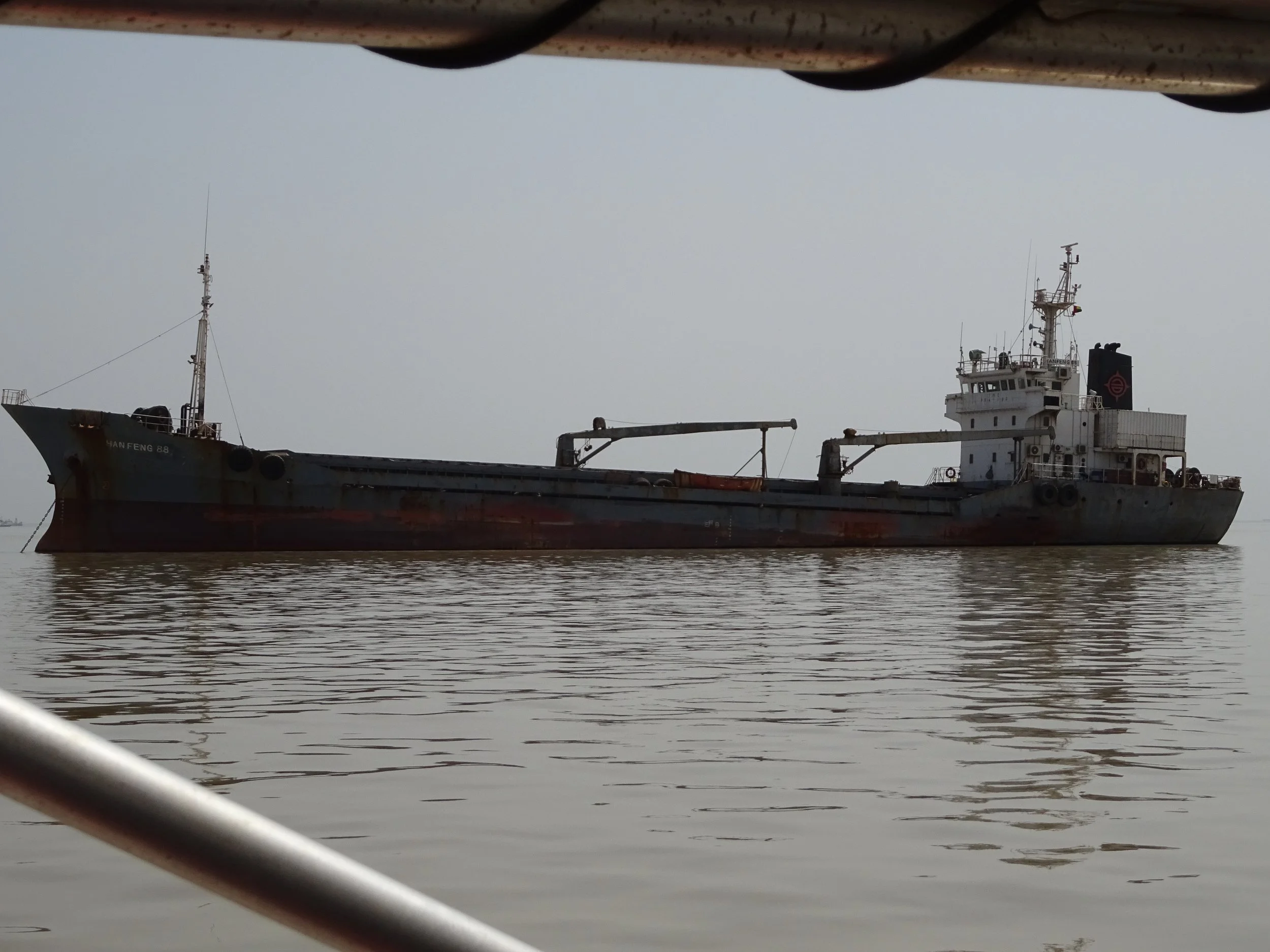
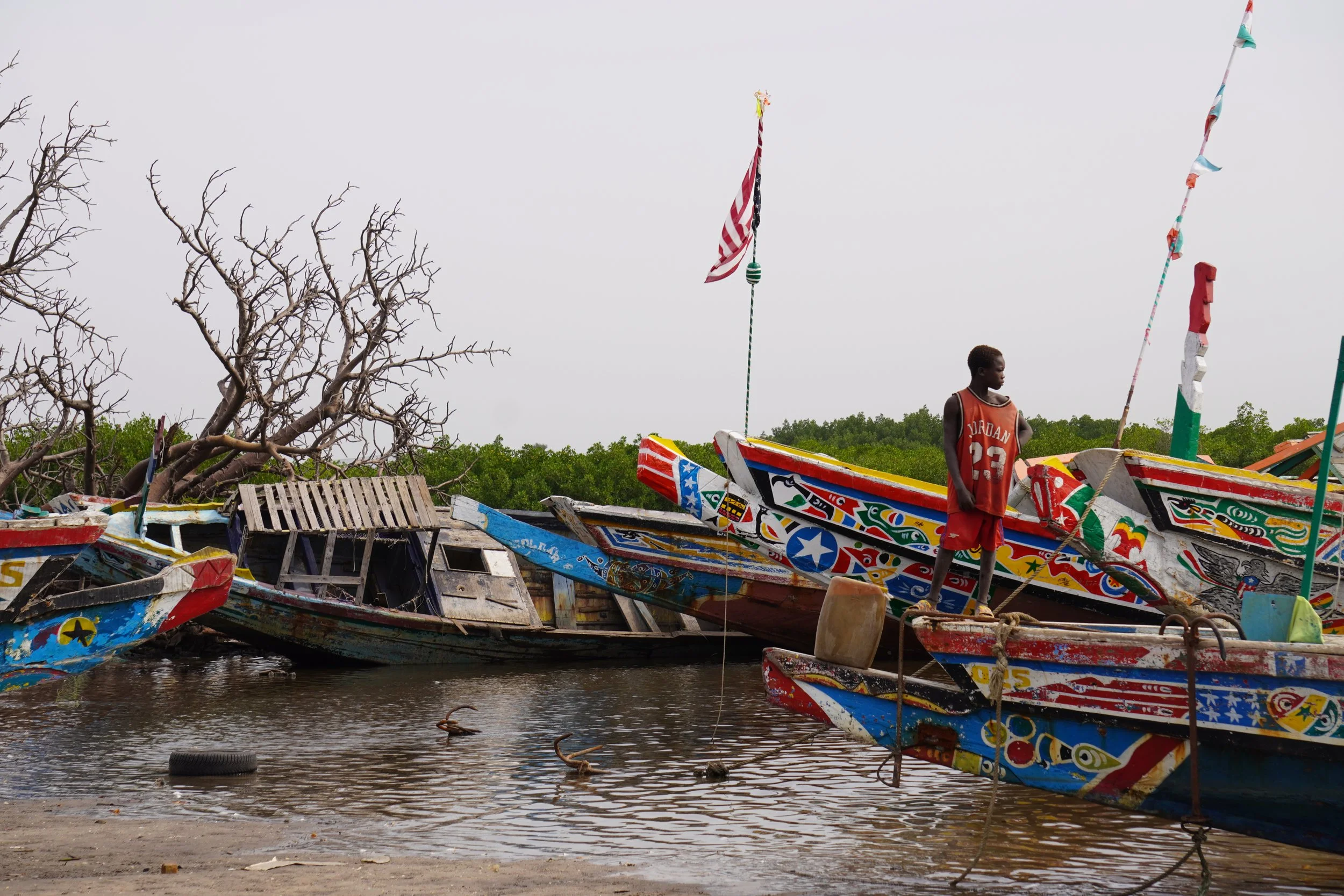


Ivory Coast’s mangroves are rapidly declining due to urbanisation, illegal land reclamation, deforestation, and pollution. This degradation intensifies coastal erosion, endangers local communities, and depletes fish stocks. Despite ongoing conservation and reforestation efforts, significant coordination challenges remain.