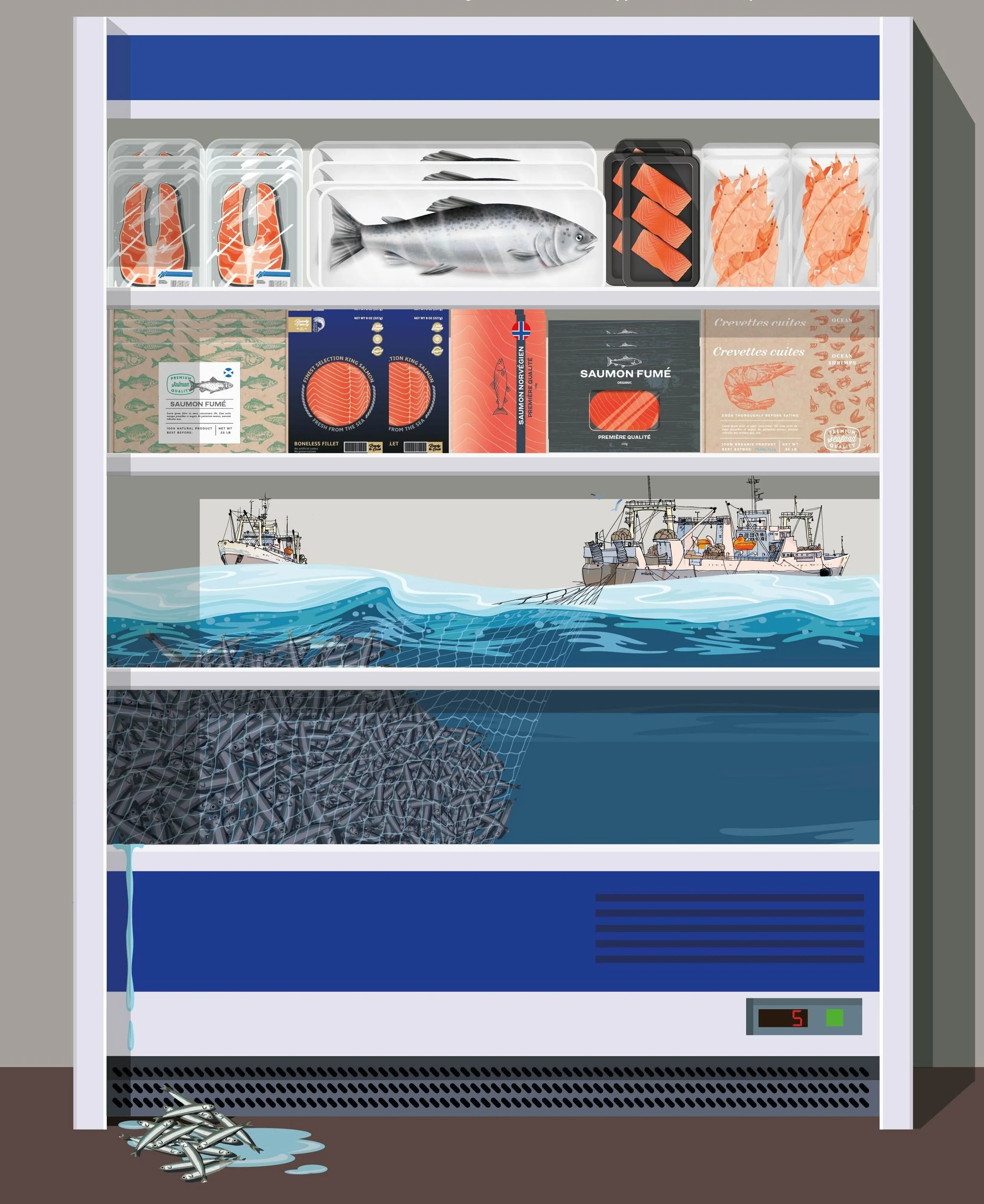
More than 120 people participated in a webinar organised by CAOPA, which brought together five panellists to discuss issues of access to fisheries resources and sustainable management.
Malagasy civil society speaks out on the eve of the next round of negotiations on the Fisheries Agreement with the EU
The UNFSS process continues to raise criticism from civil society organisations
Ghana artisanal fishers launch a wakeup call against “unhealthy competition” and for a new approach to fight IUU
EU stakeholders call for the EU to step up its game for the sustainable management of small pelagics in West Africa
EU stakeholders demand fair competition between EU and non-EU seafood producers
Senegal: "If fish is not there, we will not be able to fish, even if they gave us gold canoes"
The French, the third largest consumers of seafood in Europe, are unaware of the harmful impacts of aquaculture
IOTC meeting : Artisanal fisheries stress their role in the development of sustainable tuna fisheries
Fight against the installation of a steel plant in Bargny: Women fish processors change their strategy
IOG: Stakeholders ask for a transparent and inclusive decision making
Mangrove crab, a lucrative trade that is disturbing Malagasy waters
COFI34 recap: Increased awareness and space for small-scale fisheries
Control regulation: More transparency needed to oversee EU external fishing fleets
CAOPA calls for a more sustainable and transparent framework for fishing joint ventures in Africa
An urgent need for a regional management fisheries organization in West Africa
EU-Senegal Fisheries Agreement: asking “the right questions”
Has the European Parliament listened to the Seychelles artisanal fishers concerns?
During the SFPA negotiations, the local artisanal fishing organisation SFBOA, highlighted its priorities: the EU-Seychelles agreement should (i) contribute to reducing the pressure on tuna resources and on the environment; (ii) ensure transparency and more participation of the fisheries stakeholders and local communities, and (iii) use sectoral support funds primarily for the management of fisheries, and for the improvement of living and working conditions in the local fishing sector.