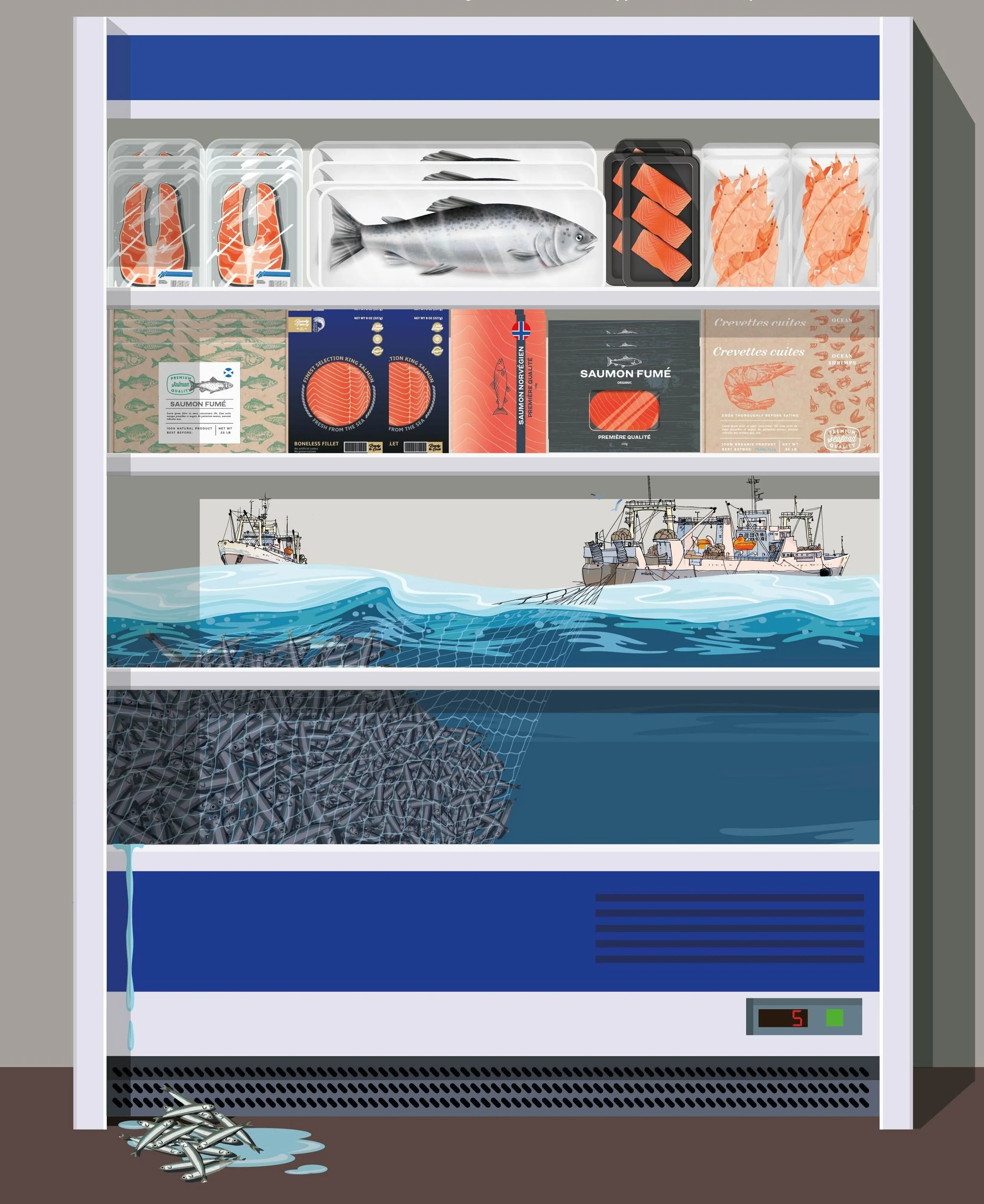
The research presents evidence that this production for use of global aquaculture supply chains is precipitating the collapse of stocks and compromising food security
In a press release, CAOPA welcomes this decision of the Malagasy government and stresses the importance of transparency for the development of African artisanal fishing
More than 120 people participated in a webinar organised by CAOPA, which brought together five panellists to discuss issues of access to fisheries resources and sustainable management.
In a webinar on transforming aquatic food systems, organized by FAO, the EU and OACPS, participants underscore the important role of sustainable artisanal fisheries value chains for achieving the Sustainable Development Goals.
The Canoe and Fishing Gear Owners association see the EU yellow card to Ghana as an opportunity to draw a “comprehensive plan” to address illegal, unreported and unregulated fishing.
In a recent interview, Bayaty Babou, Deputy Mayor of Mbour (Senegal) said he fears that the oil field of Sangomar (100 km South of Dakar)will lead to a reduction in fishing activities in Mbour.
After 5 years of being “dormant”, the Commission negotiated a new fisheries agreement protocol with the Central African country, with a focus on developing the local tuna value chain.
In a webinar on mainstreaming gender for Sustainable Fisheries Development strategies, Micheline Dion, in charge of women’s program of CAOPA, talks about the challenges and successes in shedding light on women’s contribution and needs.
In an interview with Gaoussou Gueye, president of the Association for the Promotion and Empowerment of Maritime Fisheries (APRAPAM), he stresses the key issues that are missing from the agenda for the Presidential Council on Fisheries at the end of May.
The new report “Dans les mailles du filet” from Changing Markets foundation ranks eight French retailers on how they are addressing the sustainability implications of the farmed seafood they sell.
To prevent young people from turning to illicit activities such as drug trafficking, or taking the perilous route of migration, fishmongers and processors have sought to find a place for them in the industry, unloading catches and preparing the fish.
The USCOFEP-CI cooperative has signed an agreement with a property developer for the construction of 500 units that will be put up for rent-purchase for the affiliated women, with the possibility of purchase over 10 to 13 years.
The project of the company Tosyali Holding Senegal, of Turkish origin, is likely to lead to the displacement of at least 20 families and put an end to the economic activity of hundreds of women involved in the processing of fish products and agriculture.
The European Commission publishes the results of its targeted International Ocean Governance Consultation, with suggested actions, and announces a new Communication on its blue economy strategy for spring 2021.
More than 96 members, 39 intergovernmental organisations and 32 observer NGOs, including CFFA and its partner CAOPA, attended this 34th (online) session of the FAO Committee on Fisheries to discuss global fisheries issues.