The Commission wanted to make the European Maritime, Fisheries and Aquaculture Fund (EMFAF) ‘more accessible and easier for Member States and beneficiaries to implement’.
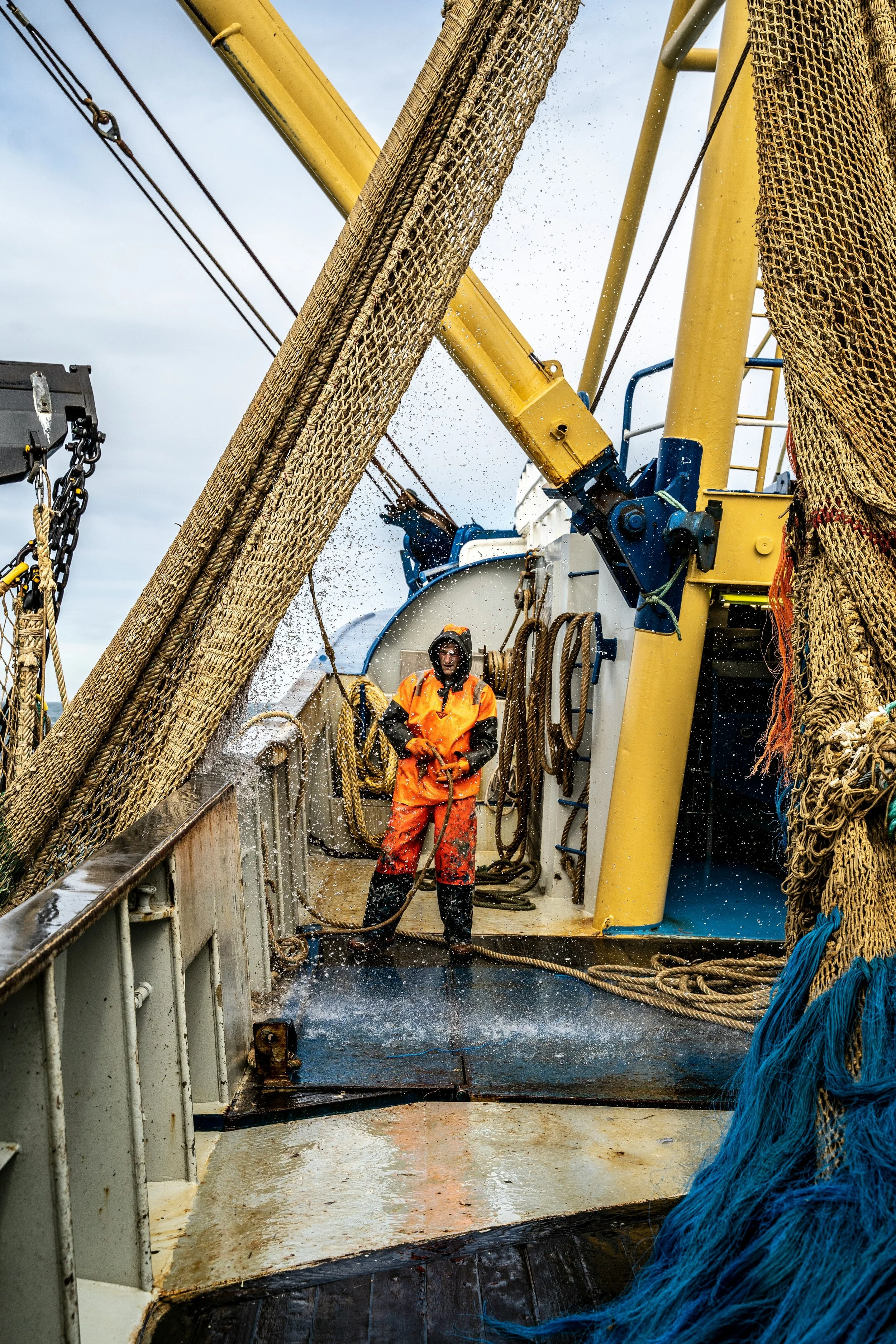
It is proposing to relax rules on engine replacement, and allow some increases in vessel tonnage for energy improvements. It also offers more support for small-scale fishers and young fishers, which is welcome.
The proposal also strengthens safeguards against IUU fishing. A finding by a coastal state or regional fisheries management body that a European Union (EU) vessel or operator has engaged in IUU fishing could affect its eligibility for support. That matters for EU vessels fishing in African waters. But when a finding concerns a particular vessel, the exclusion would apply only to support linked to that vessel. Without clearer information on who ultimately owns and controls companies applying for subsidies, how will authorities identify applications from companies linked to a sanctioned vessel?
Another issue with the European Commission (EC) proposal is that it still relies mainly on engine power (kW) and gross tonnage (GT) to assess fishing capacity. As CFFA noted in its analysis of a recent EC commissioned study, those indicators, on their own, cannot reliably show how much fish a vessel can actually catch. The Commission’s own staff working document points to persistent imbalances between some fleets and their fishing opportunities. In such cases, making upgrades easier to subsidise without assessing their impact on the overall fishing pressure is questionable.
CFFA raised these concerns during the public consultation prior to this EMFAF revision. We asked for assessments of effective fishing capacity and effort, clear public information on who receives subsidies and, where possible, who ultimately benefits from it. We also urged safeguards for EU vessels fishing outside EU waters: public support should depend on credible evidence that the fisheries they operate in are sustainably managed.
As this amendment to EMFAF is being discussed in EU institutions, CFFA urges the Council and European Parliament to strengthen the EC proposal:
1. EFFECTIVE FISHING CAPACITY
The EC proposal should assess whether the granting of the requested subsidy could result in an increase in effective fishing capacity or fishing pressure in the waters concerned, or adversely affect communities dependent on the relevant fish stocks, taking into account all vessels benefiting from the subsidy, including EU vessels operating outside EU waters.

2. Ultimate beneficial ownership
The EC proposal should ensure full transparency regarding the ultimate beneficiaries of subsidies and use beneficial ownership information to identify and verify potential links to sanctioned vessels, with a view to preventing owners from continuing to benefit from subsidies through related companies.
A revised EMFAF can help fishers sail more safely and burn less fossil fuel. But fishing does not become sustainable just because the engine is greener.
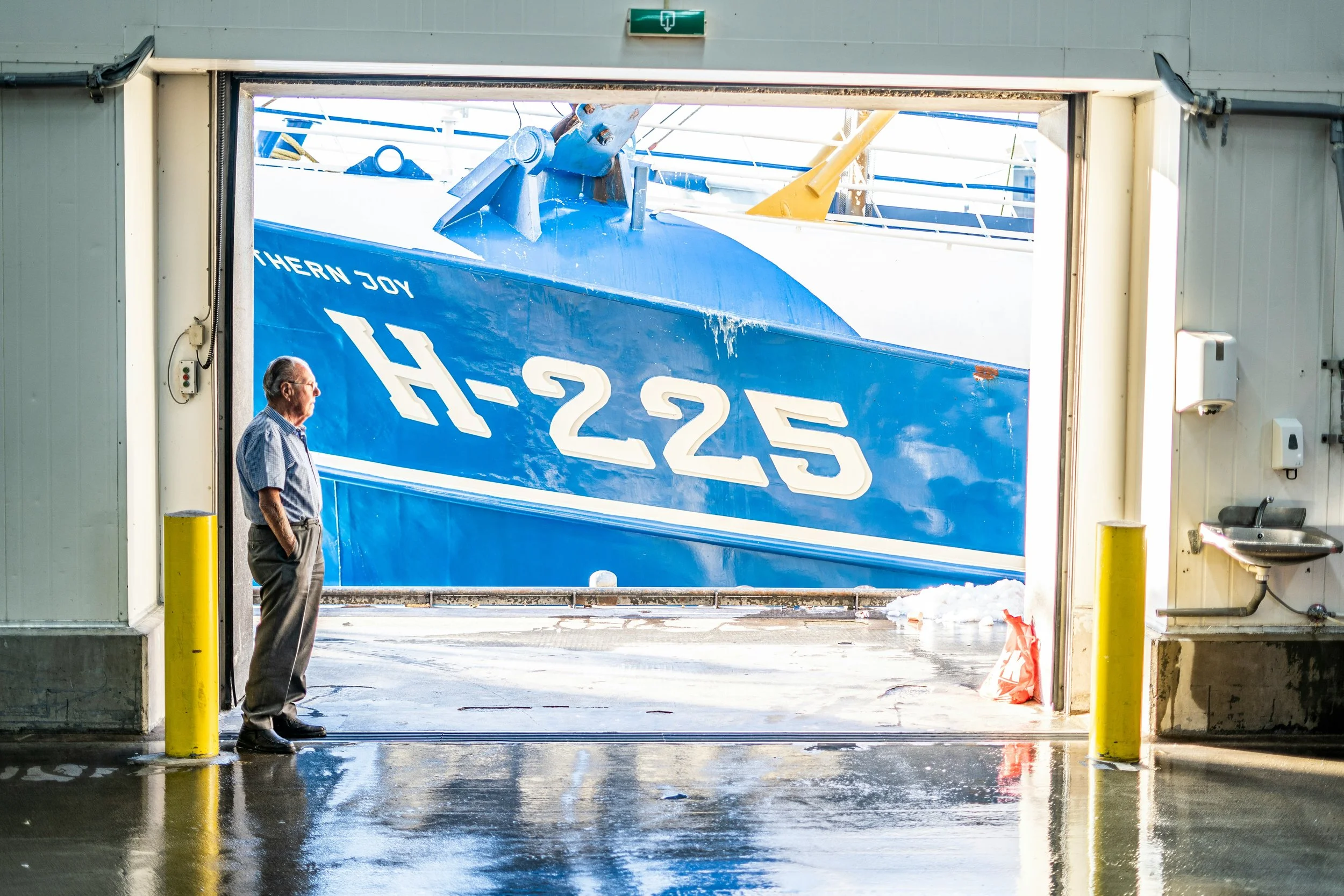
Banner photo by Paul Einerhand.
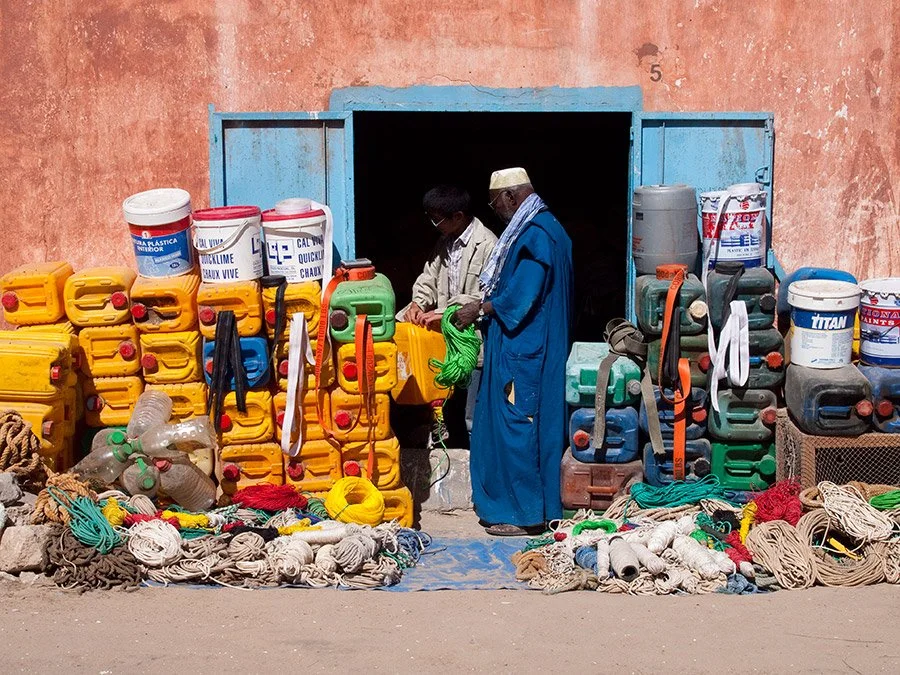
Small pelagic stocks are shared across West African waters, yet their management remains largely national. In this article, the author argues that stronger regional management is not simply a matter of better policy or voluntary cooperation: it also flows from existing obligations under international law. These obligations require coastal states not only to conserve shared stocks, but to cooperate on issues such as fishing capacity and allocation of access, implement agreed measures and hold one another accountable where national decisions undermine a shared resource. Drawing on recent examples from West Africa, the article shows why effective regional governance is essential if national conservation efforts are to succeed.