In this article, the author examines the debates surrounding the 2026 review of the Common Fisheries Policy (CFP). She highlights the divide between sector stakeholders, who favour targeted reforms and the simplification of existing rules, and NGOs, which advocate for the strict enforcement of the current framework. The article also explores the potential implications of these debates for African waters, particularly regarding Sustainable Fisheries Partnership Agreements (SFPAs), fishing pressure, food security, and the role of small-scale fishing communities in future fisheries partnerships with the European Union.
Reading time: 9 minutes
The European Commission’s evaluation of the Common Fisheries Policy (CFP), published at the end of April 2026, delivered a deliberately balanced message: while progress has been made in reducing overfishing, improving governance, strengthening scientific advice and giving the EU a clearer international profile, implementation remains slow, uneven, fragile.
The evaluation underlines the economic vulnerability of EU fishing fleets, different levels of implementation amongst Member States, weak compliance and increasing pressure on the sector due to climate change, high fuel costs, competition for maritime space, and geopolitical instability.
The reactions so far about which direction this evaluation is pointing – namely whether it points towards a revision of the CFP – are, as could be expected, polar opposites. For the fishing industry body Europêche, the evaluation confirms that the CFP has failed to secure the sector’s economic and social viability. It therefore calls for a targeted reform through an ‘omnibus package’ combining changes to several related laws, including parts of the CFP itself, fisheries control rules, funding instruments and regional management plans.
Environmental NGOs, including Oceana, ClientEarth, Seas At Risk, and WWF, have drawn the opposite conclusion. For them, the evaluation shows that the CFP should, finally, be properly implemented. In particular, they stress that existing tools – such as the Article 17 of the CFP, which encourages Member States to use transparent social and environmental criteria when allocating access to resources –, remain largely unused. NGOs also warn that even a targeted reopening through an omnibus package could create political pressure to weaken core sustainability commitments of the CFP.
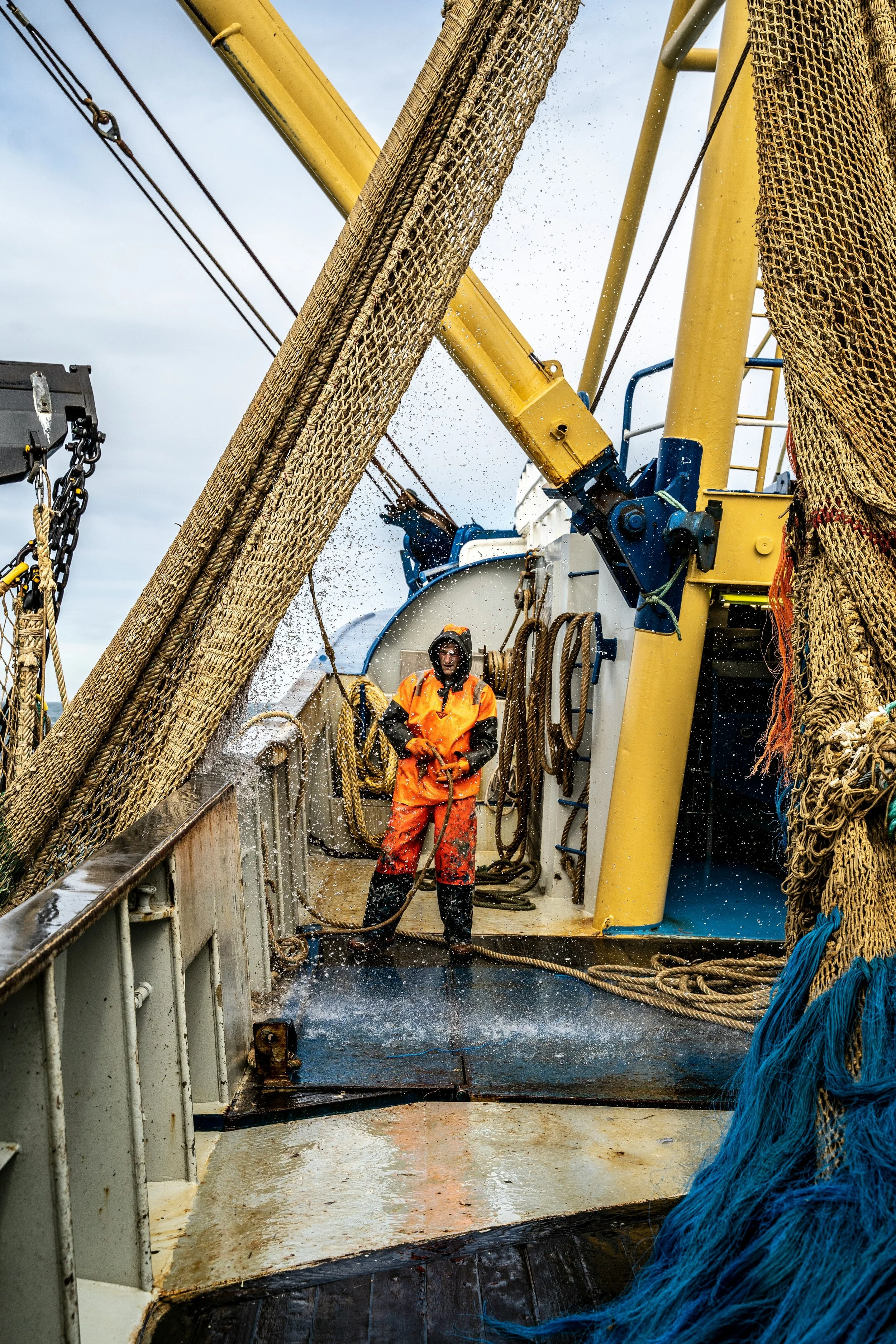
Even if the EU does not formally reopen the external dimension of the CFP, reforms aimed at supporting European fleets could still reshape how EU vessels operate in African waters and how future fisheries agreements are negotiated.
At an informal meeting in Cyprus, EU fisheries ministers agreed that the CFP remains relevant, but acknowledged that several objectives, especially those relating to economic performance and support for coastal communities, have not been fully achieved. Countries with important fishing sectors, including Spain and Poland, argued that the CFP should be updated to better respond to current economic, environmental and geopolitical pressures. Both stressed competitiveness, food security, support for coastal communities and the need to reduce administrative burdens, while Spain also called for stronger EU funding for fleet modernisation and decarbonisation.
In short, industry and several ministers are converging around a language of targeted reform, adaptation and simplification; NGOs are converging around a language of enforcement, implementation and the need to avoid a ‘Pandora’s box’ reopening of core sustainability commitments.
The next major political discussion will take place at the June Fisheries Council, where ministers are expected to give strategic guidance for the future of the CFP. The debate will also feed into the European Commission’s planned 2040 Vision for Fisheries and Aquaculture, expected later this year.
1. Four CFP debates that could reach African waters
For EU African partner countries and their small-scale fisheries (SSF) sector, the implications of these debates are not limited to whether the EU will formally reopen the section dealing with its fishing activities outside European waters. The real question is broader: could reforms designed mainly for European waters also change how EU vessels operate in African waters and how future fishing agreements are managed?
Under the CFP, the EU’s external fisheries policy is supposed to follow the same broad principles as inside EU waters: sustainable exploitation of resources, science-based management and the fight against illegal fishing. As a result, even limited reforms of internal CFP rules could have important consequences for fisheries relations with African countries.

A. FLEET MODERNISATION AND FISHING PRESSURE
One possible area of revision concerns CFP rules on fleet capacity. These are designed to prevent EU fishing fleets from becoming too large or too powerful by limiting the overall capacity of vessels, measured – albeit imperfectly – mainly through tonnage and engine power, in order to avoid overfishing. The fishing industry argues that current limits on capacity should be loosened to allow new vessels to increase their ‘non-fishing’ capacity, to improve safety and working conditions on board, and facilitate the use of renewable energy technologies.
The question arises whether such change would also increase fishing efficiency. Newer vessels may consume less fuel while also having greater storage capacity, more advanced freezing systems and the ability to remain longer at sea. Even without formally increasing fishing capacity, ‘green modernisation’ could therefore increase the pressure from EU distant water fleets in African waters, even without formally increasing their fishing capacity.

B. LANDING OBLIGATION AND SUSTAINABILITY STANDARDS
Another sensitive issue is the CFP ‘landing obligation’ (Article 15), introduced to reduce the wasteful practice of discarding unwanted fish at sea. The rule requires fishers to land all catches rather than throw some species back into the water. The CFP evaluation concluded that the measure has not delivered the expected results because implementation and compliance remain weak. Some actors now argue that the rule should be simplified or made more flexible.
This debate could also affect the EU external fisheries policy. On the one hand, if the EU weakens its own rules on discards, selectivity or catch documentation, it may become harder to defend strong sustainability standards in international fora and in fishing agreements with third countries. On the other hand, if the EU strengthens monitoring, reporting and selectivity requirements, this could support stronger provisions in Sustainable Fisheries Partnership Agreements (SFPAs) on bycatch reduction, scientific data collection and transparency.

C. WHO GETS ACCESS TO FISH?
Improving fishing selectivity, sustainability and transparency was the aim of Article 17 of the CFP, which encourages EU Member States to allocate fishing opportunities using environmental, social and economic criteria, rather than relying only on historical catch records.
So far, this article has remained largely underused, despite repeated calls from European small-scale fishers and environmental organisations. In late 2025, acknowledging this, the European Commission published guidelines encouraging Member States to make greater use of sustainability criteria when allocating access rights.
If Article 17 became more binding, or if Member States applied it more seriously, the implications could extend beyond European waters. It could raise questions about which operators benefit from fishing opportunities under SFPAs: not only which EU countries are given access, but how companies that fish more selectively, respect labour standards, contribute to local economies and minimise impacts on artisanal fisheries and food security should benefit from priority access.
This could also influence the EU position in negotiations within Regional Fisheries Management Organisations (RFMOs), especially tuna organisations where disputes over allocation are becoming increasingly important. Some organisations have long argued that allocation systems should consider not only historical catches, but also food security, development, environmental and social criteria.

D. FOOD SECURITY, STRATEGIC AUTONOMY AND ACCESS TO RESOURCES
A final area to watch is the growing use of terms such as ‘food security’, ‘strategic autonomy’ and ‘resilience’ in EU fisheries debates.
If integrated more strongly into the CFP, they could shape its external policy in very different ways. It could reinforce pressure to secure access to fish resources outside EU waters in order to supply EU markets. Some African stakeholders may view this as problematic if it strengthens a model in which African waters help secure European supply while local fishers, processors and consumers face declining access to fish.
But another interpretation is possible. Prioritising food security could also mean recognising the food needs of partner countries themselves, including the importance of small pelagic species for local nutrition, women fish processors, regional markets and intra-African trade.
2. African voices are starting to be heard in the CFP debate
African stakeholders themselves, whose priorities do not always align with the EU internal debates on implementation or need for change, are increasingly sharing their views about what the future CFP, particularly its external policy and its fisheries partnerships, should look like.
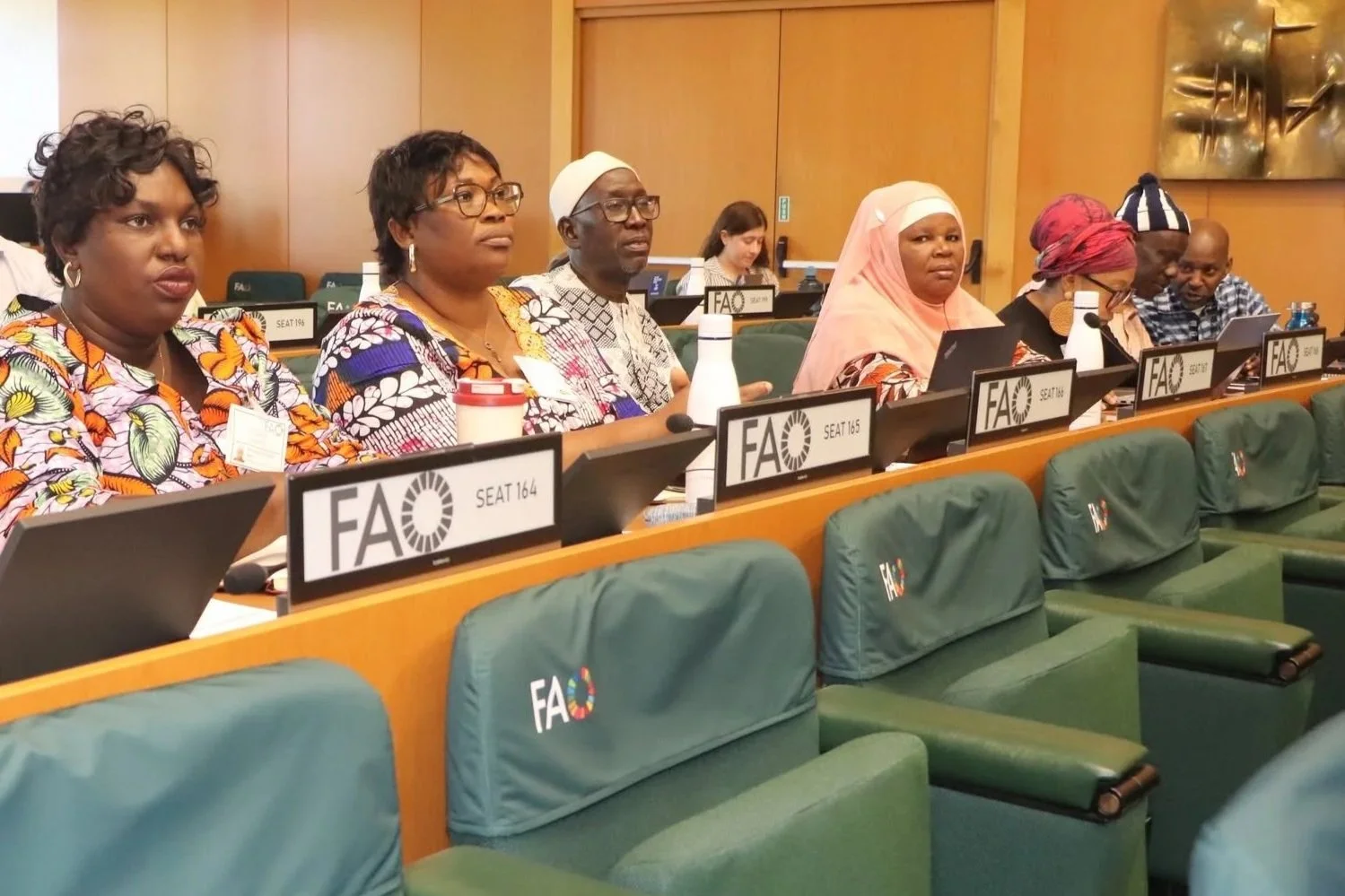
Discussions during a joint LDAC-EESC conference on the future of SFPAs showed broad support among African stakeholders for maintaining SFPAs, but with important political and operational changes.
Taoufik El Ktiri, Secretary General of COMHAFAT, argued that the credibility of future SFPAs would depend on stronger stock assessments, especially for small pelagic and demersal species, and on more balanced partnerships based on dialogue, trust and respect for the sovereignty of coastal states. In that context, he emphasized that future agreements should strengthen African scientific and technical capacities.
“SFPAs sectoral support should prioritise tangible investments for fishing communities such as landing infrastructure, cold chains, local processing facilities and safety at sea systems.””
African stakeholders also linked the future of SFPAs to broader concerns around food security and regional markets. Dr Hamady Diop noted that fisheries products are increasingly considered strategic com-modities by the African Union and questioned how long African states would continue prioritising the supply to external markets, including through SFPAs, if growing regional demand and intra-African trade offer sufficient economic opportunities.
Gaoussou Gueye, President of Afrifish-net, the Pan-African Platform of Non-State Actors in Fisheries and Aquaculture, called for stronger local value creation and more visible benefits for coastal communities. He argued that SFPAs sectoral support should prioritise tangible investments for fishing communities such as landing infrastructure, cold chains, local processing facilities and safety at sea systems. Several participants also questioned whether EU financial contributions are sufficiently visible at local level, especially compared with other partners such as China, which is often perceived as investing more directly in infrastructure.
Another recurring concern was transparency. African and European participants alike highlighted growing unease around reflagging practices and the lack of transparency regarding the real owners of vessels operating under third-country flags. Several speakers warned that these practices contribute to perceptions of double standards, between EU vessels and reflagged vessels of EU origin, undermining the credibility of EU external fisheries policy. Calls therefore emerged for stronger EU rules on beneficial ownership transparency.
Importantly, most African stakeholders advocated a more inclusive and development-oriented SFPA partnership: support for partner countries to implement international commitments, stronger participation of local stakeholders, clearer socio-economic benefits, greater transparency, and better coherence between fisheries access, food security and added value for local economic development.
The central question is therefore not simply whether the CFP should be reopened, but what kind of fisheries partnership model the EU wants to promote in a context of growing geopolitical competition, food security concerns and pressure on marine resources.
3. Strategy for the EU external fisheries action: a quiet shift in EU external fisheries policy
These questions are likely to shape the European Commission’s upcoming strategy on EU external fisheries action, expected in autumn 2026. The strategy, announced in the European Ocean Pact, is expected to outline a new SFPAs and could significantly influence how the EU interprets its external fisheries responsibilities in the years to come.
The strategy will take the form of a European Commission ‘Communication’, a political document that does not change the CFP, the legal structure of SFPAs or the formal obligations of EU fleets. But such a document can still have significant influence. It can shape negotiating mandates, future SFPA protocols, EU positions in RFMOs, sectoral support priorities and broader links between fisheries policy, Global Gateway and ocean diplomacy. In practice, it could redefine how the EU interprets its external fisheries responsibilities without formally rewriting the law.
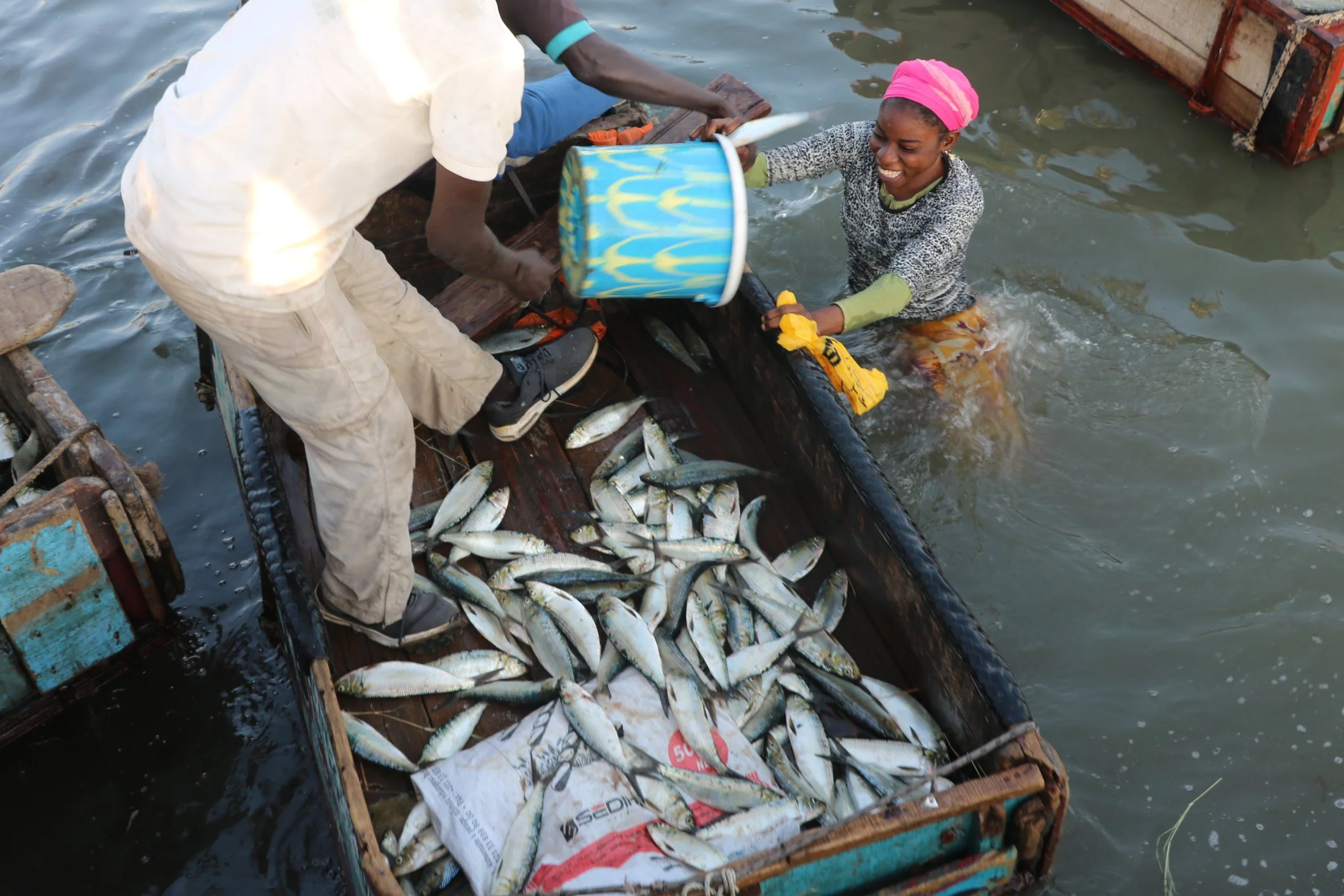
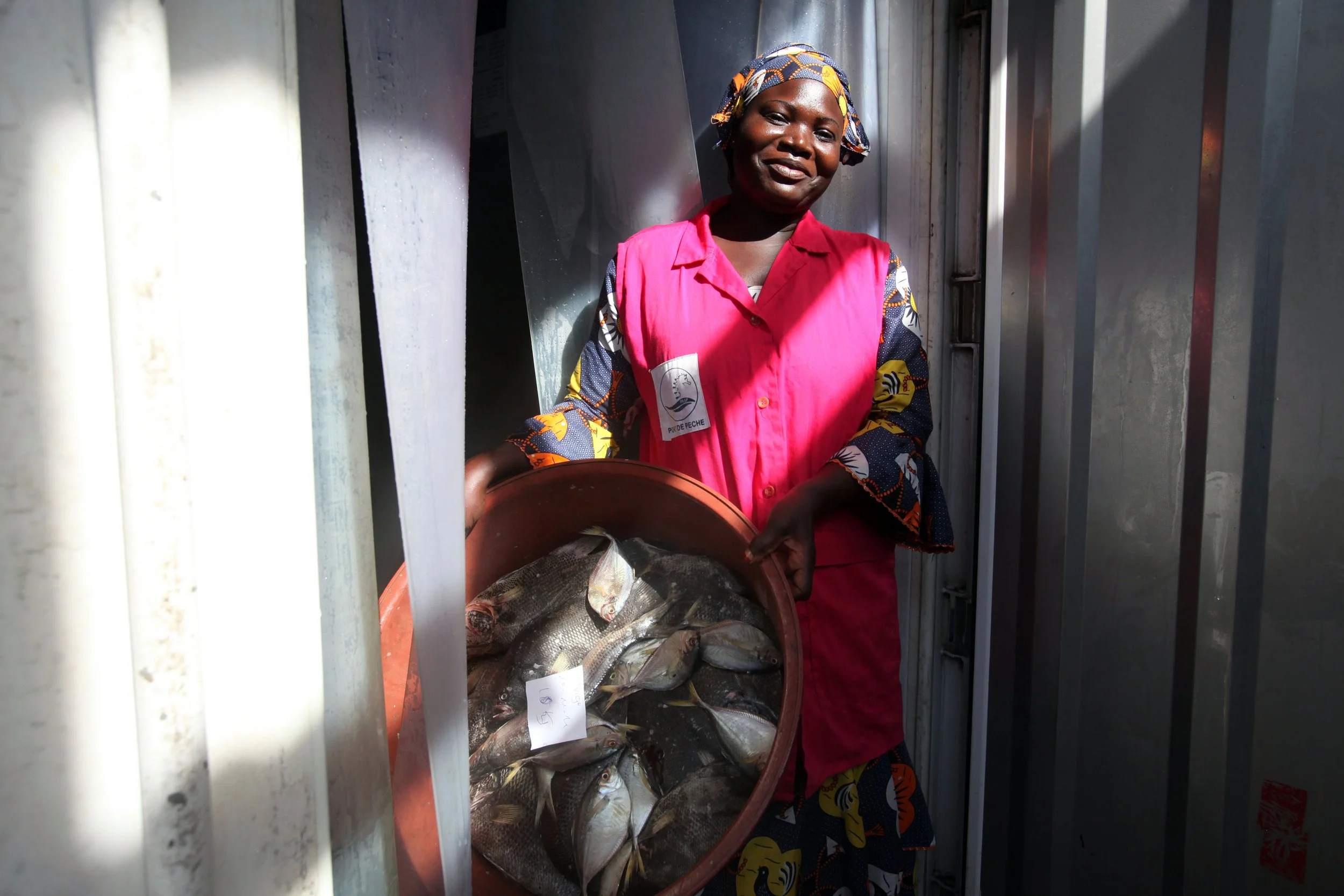
The future strategy could redefine how the EU interprets its external fisheries responsibilities without formally revising existing law. It should introduce safeguards to protect African SSF communities and ecosystems, while clarifying that SFPA sectoral support should promote sustainable fisheries governance and local development rather than primarily compensating for access. Photo: A woman unloads fish at the artisanal port of Joal, Senegal, by Aliou Diallo.
Such a strategy could introduce clear safeguards for protecting African fishing communities and the ecosystems they depend on for their livelihoods. It could state that EU fleet modernisation should not increase pressure on partner country resources. It could require transparent assessments of total fishing effort by all foreign fleets operating in partner country waters, not only EU vessels. It could place food security, local value addition and support for small-scale fisheries at the centre.
The strategy could also strengthen the participation of artisanal fishers, women processors and coastal communities in the design, monitoring and evaluation of fisheries relations with partner countries. On SFPAs, it could also clarify that sectoral support should not function mainly as compensation for access, but as a tool to support sustainable fisheries governance, local economic development, climate adaptation, scientific capacity and monitoring systems.
4. A new dawn for fisheries partnership?
A new EU strategy on external fisheries could encourage greater attention to sustainability, transparency and local participation in the EU’s external fisheries policy.
By itself, such a strategy would not create enforceable rights for African artisanal fishers. It would not either fully address the structural imbalance in fisheries negotiations, where many African coastal states continue to negotiate under financial and institutional pressure. It would also not fully address longstanding tensions between EU access to fish resources and local access for African fishing communities. It would also not address tensions between European seafood demand, especially raw fish material for processing industries, and efforts to develop local value addition in African countries.
The risk is therefore that two different dynamics will emerge. Internally, the EU could revise fisheries rules to provide its fishing sector with greater flexibility, modernisation support and economic resilience, which may lead to increased fishing efficiency. Externally, it could promote a ‘new generation’ of SFPAs presented as more sustainable and partnership oriented, but without strong enough safeguards to prevent additional fishing pressure on partner countries resources.
If the EU gives greater flexibility and support to its fleets, stronger external accountability mechanisms may also be needed. Any future fisheries strategy should include safeguards against overcapacity, transparent assessments of cumulative fishing effort, stronger participation of coastal communities and recognition of partner countries’ own food security priorities.
Similarly, if the EU promotes a new generation of SFPAs, these agreements may increasingly be judged not only by the financial compensation they provide, but by whether they support local value creation, transparency, ecosystem resilience and the long-term viability of small-scale fisheries.
For African fishing communities, the litmus test will be whether future EU fisheries partnerships help protect artisanal fishing zones, women’s processing activities and coastal livelihoods, or mainly secure continued access for European fleets under a more modern political vocabulary.
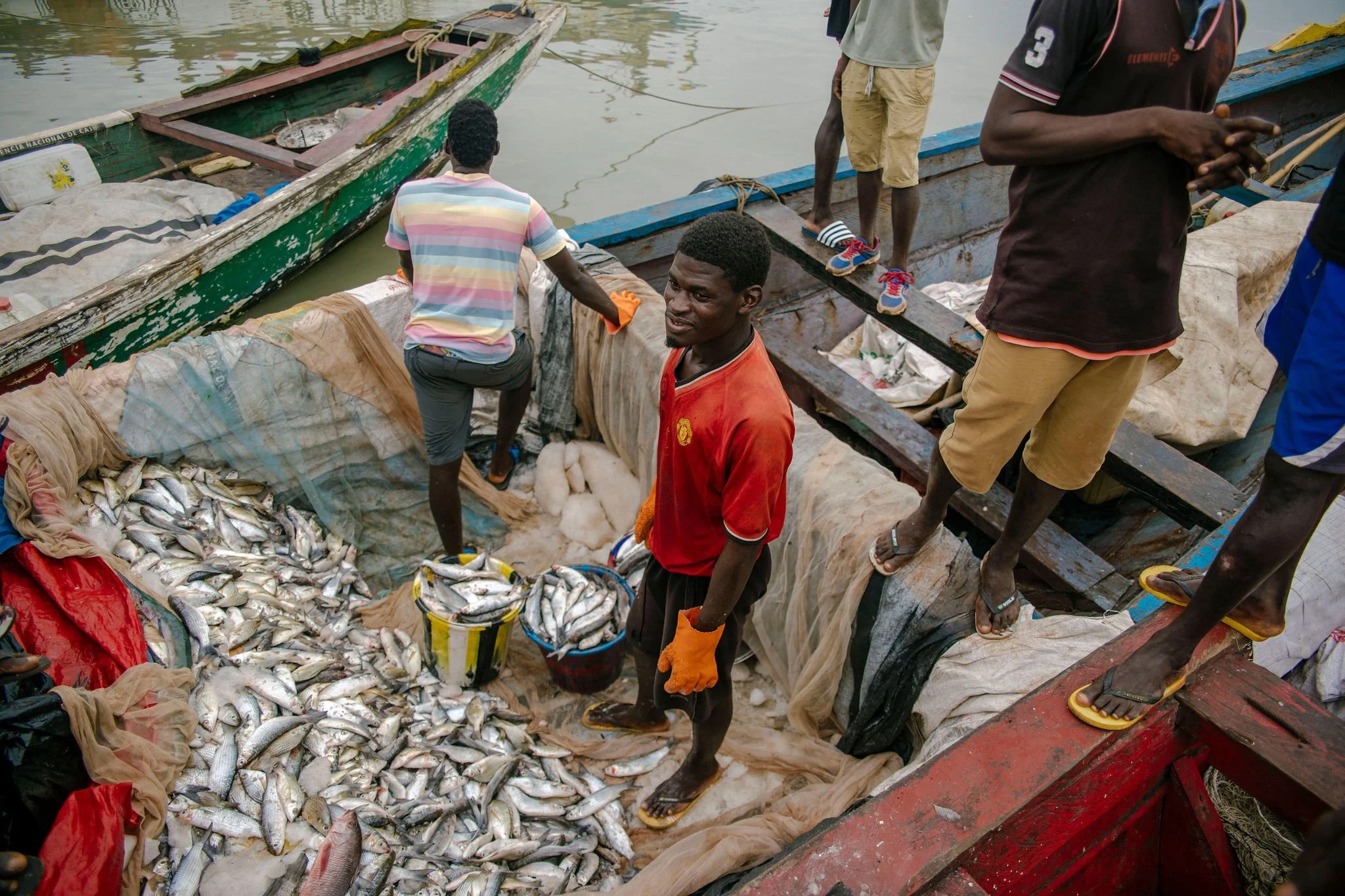
Banner photo : a fisher offloads a canoe in Bissau Port, by Carmen Abd Ali.

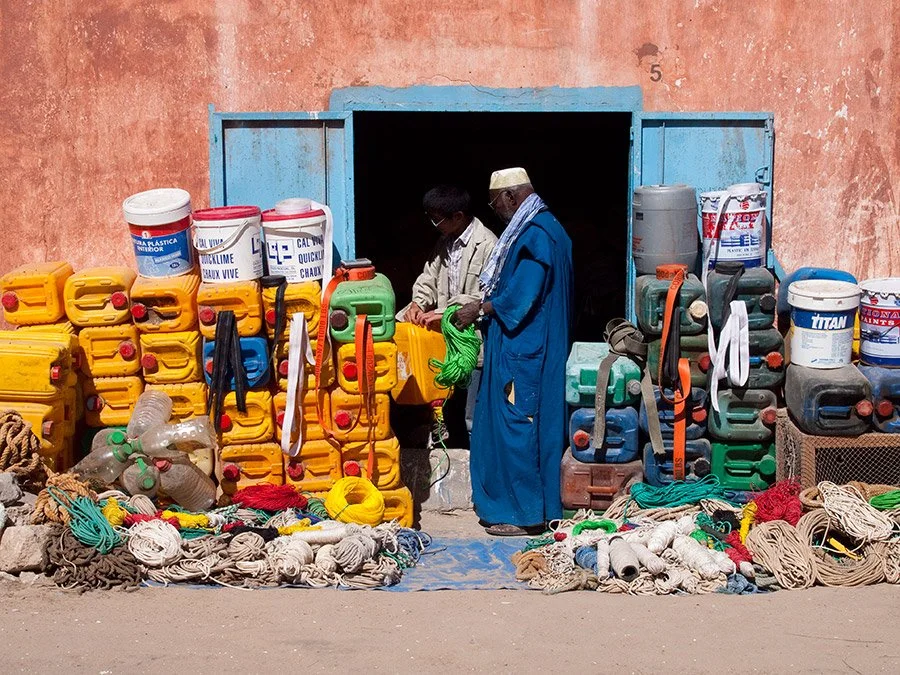
The EU-Cabo Verde high-level political dialogue reaffirmed the SFPA as the “key framework for their fisheries cooperation”. However, at a workshop in Boa Vista bringing together fisheries organisations, civil society and public authorities, show that the partnership does not yet address the concerns of the third country’s small-scale fisheries.