Oceans are no longer just about conservation or resource management. They are now increasingly about global influence and power play.
That is the signal coming from the European Parliament resolution on ocean diplomacy. Will EU ocean diplomacy serve people and livelihoods, or primarily strategic interests? The answer given by the European Parliament, which reads like an uneasy compromise, will contribute to shape how the EU engages with partner countries, including in Africa.
Small-scale fisheries: from the margins to the spotlight
One of the strongest elements in the Parliament position is its recognition of the importance of small-scale fisheries. It acknowledges their role in sustaining coastal livelihoods, supporting food security and anchoring local economies, not only in Europe, but globally. The call to implement the FAO Small-Scale Fisheries Guidelines – grounded in human rights, fishers tenure rights and participation – provides a strong foundation for more equitable fisheries governance. But recognition is only the first step. If this commitment is to mean anything in practice, it must be reflected concretetly in the EU external action, particularly in Sustainable Fisheries Partnership Agreements (SFPA) and the future Global Europe instrument.
Partnerships under pressure
The question of partnerships is where the balance becomes more delicate. Cooperation with third countries, including in Africa, is presented as a cornerstone of ocean diplomacy. A new generation of SFPAs is envisaged, aligned with broader regional strategies. This could mark a positive shift if these agreements genuinely support sustainable fisheries management and local economic resilience.
“Ocean governance cannot be reduced to balancing strategic and environmental considerations alone. If the EU places its industrial interests first, it risks undermining its credibility. The challenge is clear: to pursue a genuine partnership founded on equity and shared benefits.””
However, the same agreements are also framed as instruments to secure access to resources and strengthen EU competitiveness. These dual objectives can be difficult to achieve simultaneously. Prioritising guaranteed access for EU fleets can create pressure to maintain fishing opportunities even when the state of resources, environmental protection or increasing local fishing needs call for diminishing EU fleet operations. Ocean diplomacy cannot become access diplomacy in disguise.
The conclusions of a recent conference organized jointly by the Long Distance Advisory Council (LDAC) and the European Economic and Social committee (EESC) stressed that SFPAs must go beyond securing fishing opportunities and ensure real benefits for partner countries, including improved governance, transparency and support for local fisheries sectors. Indeed, if SFPAs are to be credible, they must deliver tangible outcomes for coastal communities, including investment in value chains, support for post-harvest activities – where women play a central role – and meaningful participation of small-scale fishers in decision-making processes.
Sustainability that includes people
Environmental ambition is another strong pillar. Biodiversity protection, climate action and marine conservation feature prominently in the Parliament’s resolution. Coastal communities in Africa are already facing the consequences of environmental degradation. Stronger ocean governance is in their interest. It is therefore encouraging to see recognition that conservation measures must be accompanied by impact assessments and stakeholder consultation. Sustainability that excludes people is not sustainable.
Fairness beyond competition
At the same time, the growing emphasis on competitiveness and the need for a level playing field reflects real concerns within the EU. European fishing vessels are required to meet strict standards, facing competition from fleets that are not subject to comparable obligations. Addressing this imbalance is legitimate.
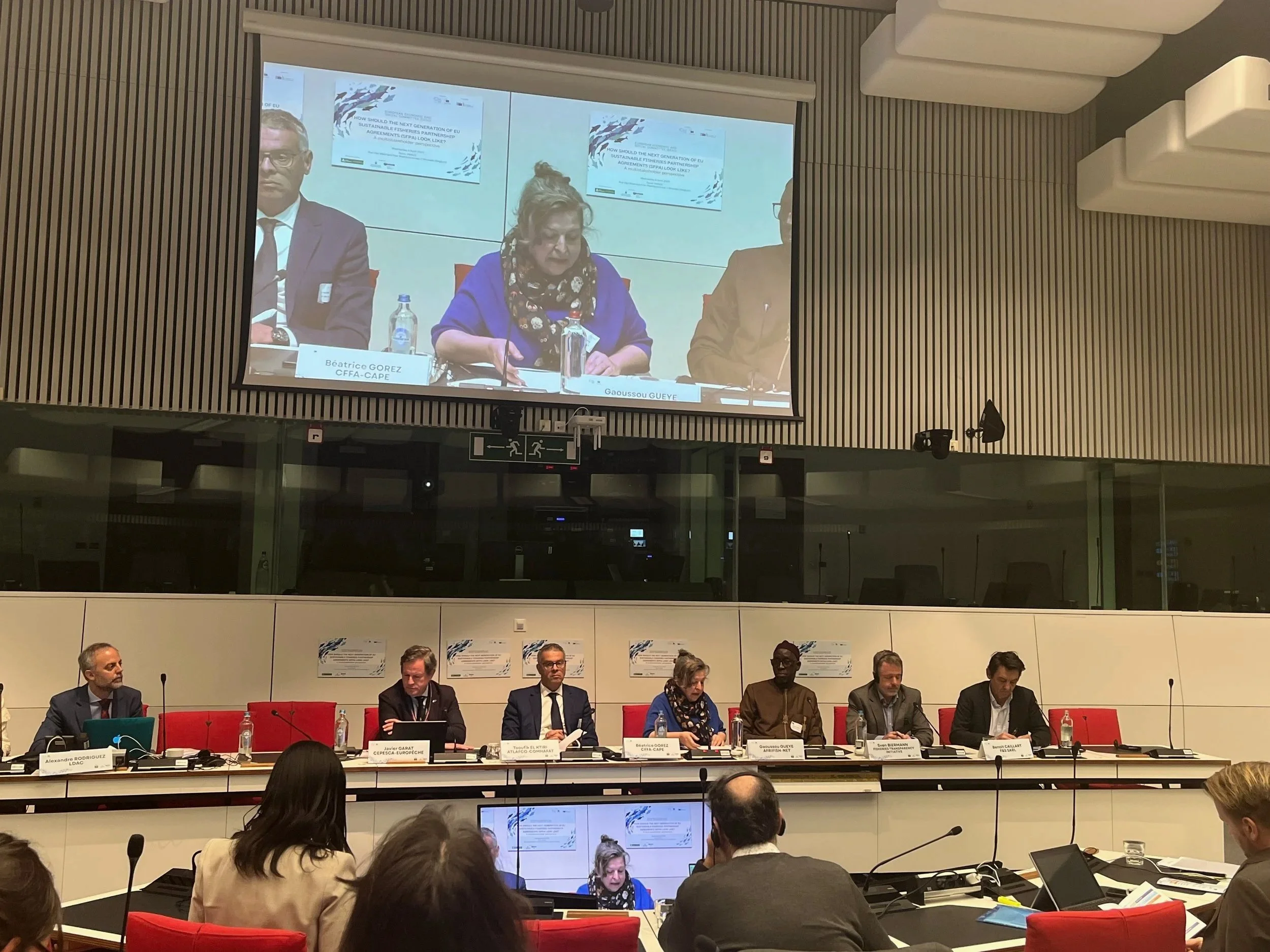
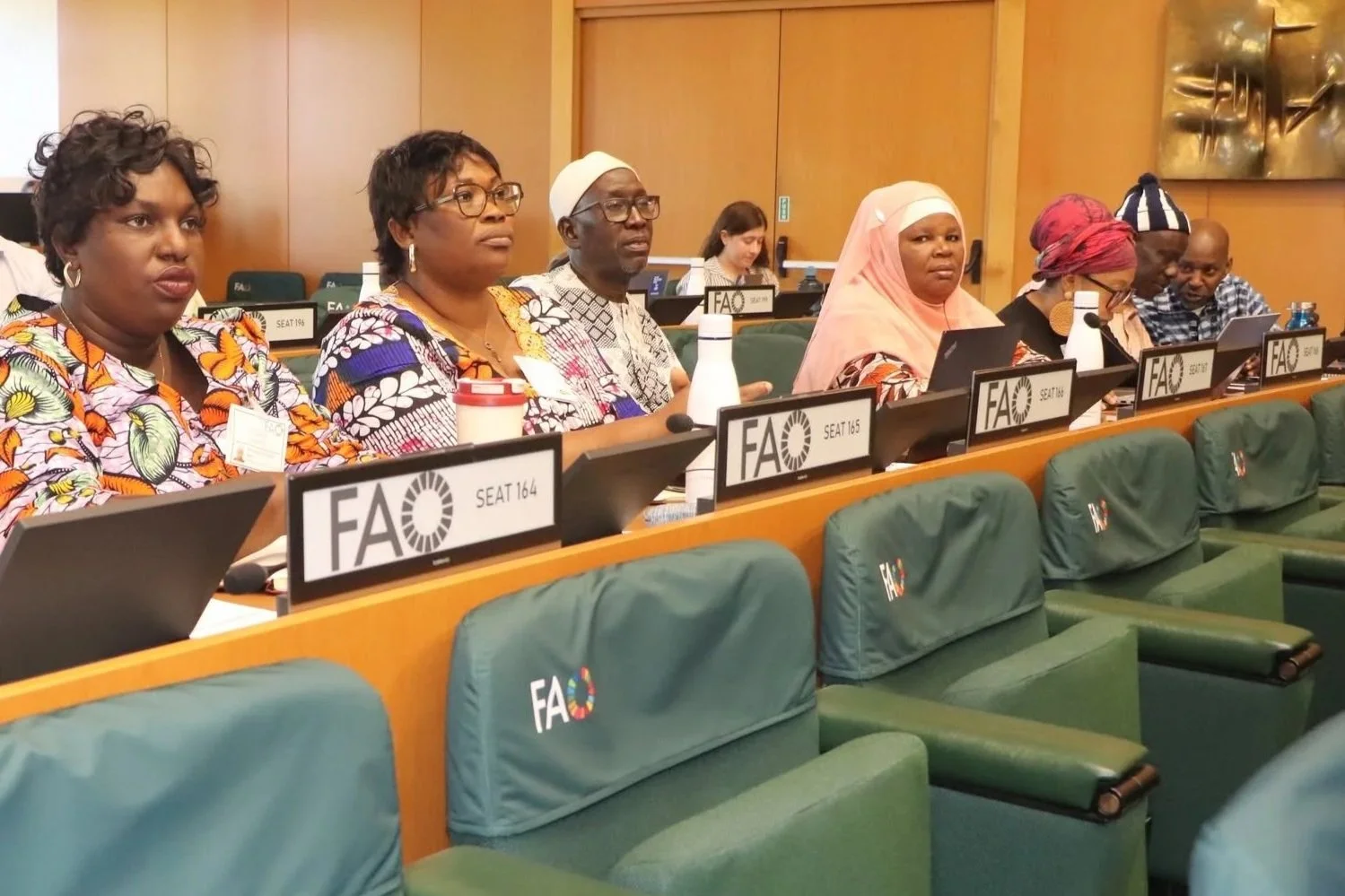
At the event organized by the LDAC on the future of EU SFPAs, discussions emphasized that, to remain credible, these agreements must go beyond mere access to resources and deliver tangible benefits, including sustainable management, transparency, local investment, and support for coastal communities, particularly small-scale fisheries. Photo: Margaux Rochefort.
But fairness cannot be reduced to competition alone. It must also include fairness between partners, particularly when engaging with developing countries, where fisheries sectors operate under very different conditions. Small-scale fisheries in developing countries have far less access to finance, infrastructure, technology and institutional support, often under weaker governance and with insecure access rights, while EU fleets benefit from recognized access rights, public funding, and advanced systems that, altogether, improve their competitiveness.
No ambition without resources
Another critical issue is funding. Concerns about declining resources for fisheries and ocean governance raise serious questions about implementation. Delivering an ambitious implementation requires investment. Without adequate and targeted funding, commitments to sustainability, partnership and development will remain largely rhetorical. For small-scale fisheries, this means concrete support for infrastructure, market access, climate resilience and the often-overlooked post-harvest sector.
Which direction will EU Ocean diplomacy take?
What emerges from the European Parliament resolution is a more integrated vision of ocean governance, one that brings together environmental, economic and strategic considerations. This is necessary in a complex world, but also carries a risk: that the voices of those most directly dependent on thriving oceans are marginalized by higher level strategic concerns.
“The European Parliament acknowledges the essential role of small-scale fisheries in sustaining livelihoods, strengthening food security, and supporting local economies. This recognition must now be reflected in concrete measures within SFPAs and the “Global Europe” instrument.”
If Europe leans too far towards its industry strategic interests, it risks losing credibility, in the eyes of developing countries, as a partner. If it stays the course of genuine partnership, built on fairness and shared benefits, it can lead to lasting trust with partner countries and more sustainable ocean governance.
Walking on a tightrope requires more than balance, it requires direction. For millions of small-scale fishers in Africa, the question is not whether the EU can stay on the rope, but on which side it will land.
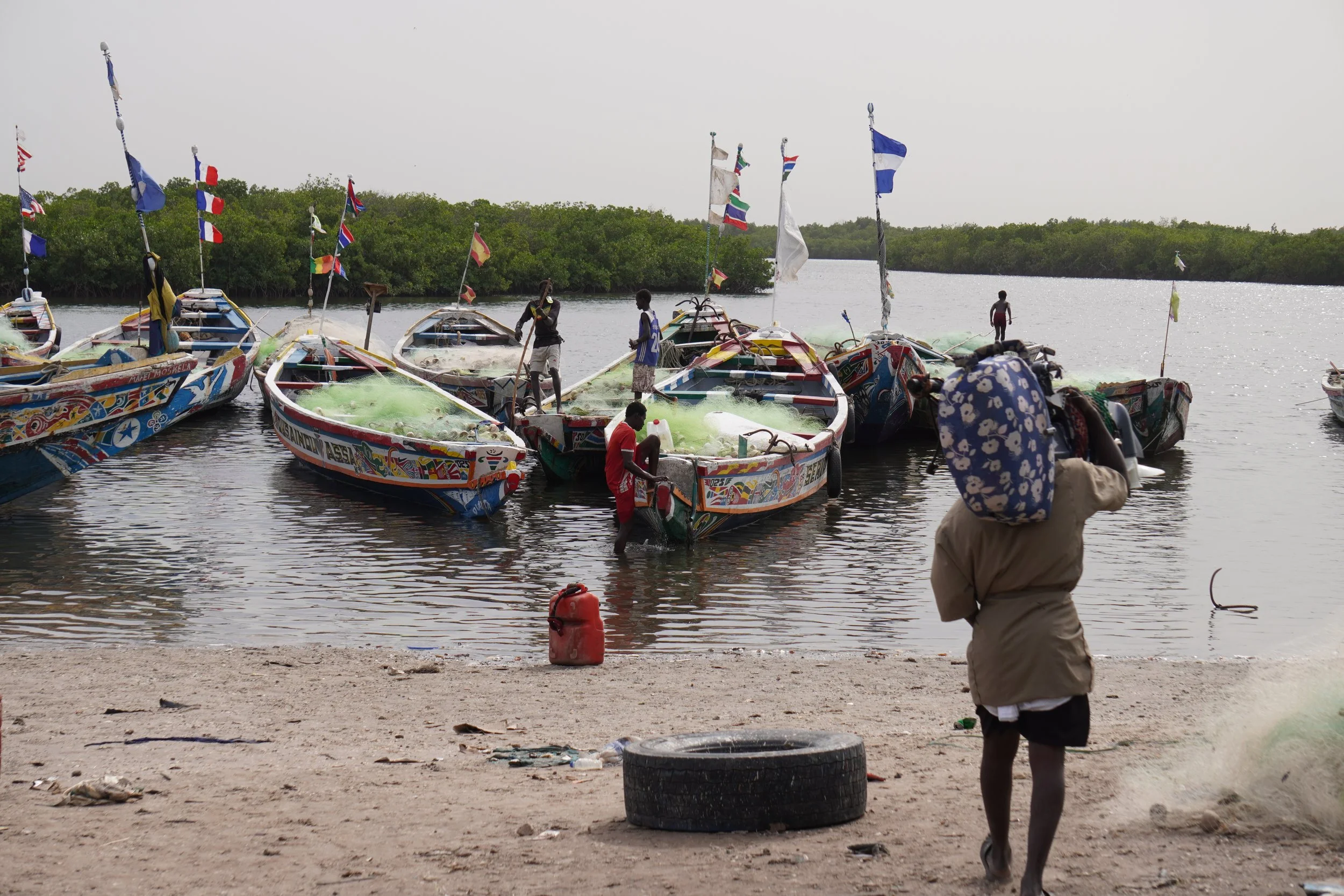
Banner photo: Fishers preparing for departure in Old Jeshwang, The Gambia. Photo by Margaux Rochefort.
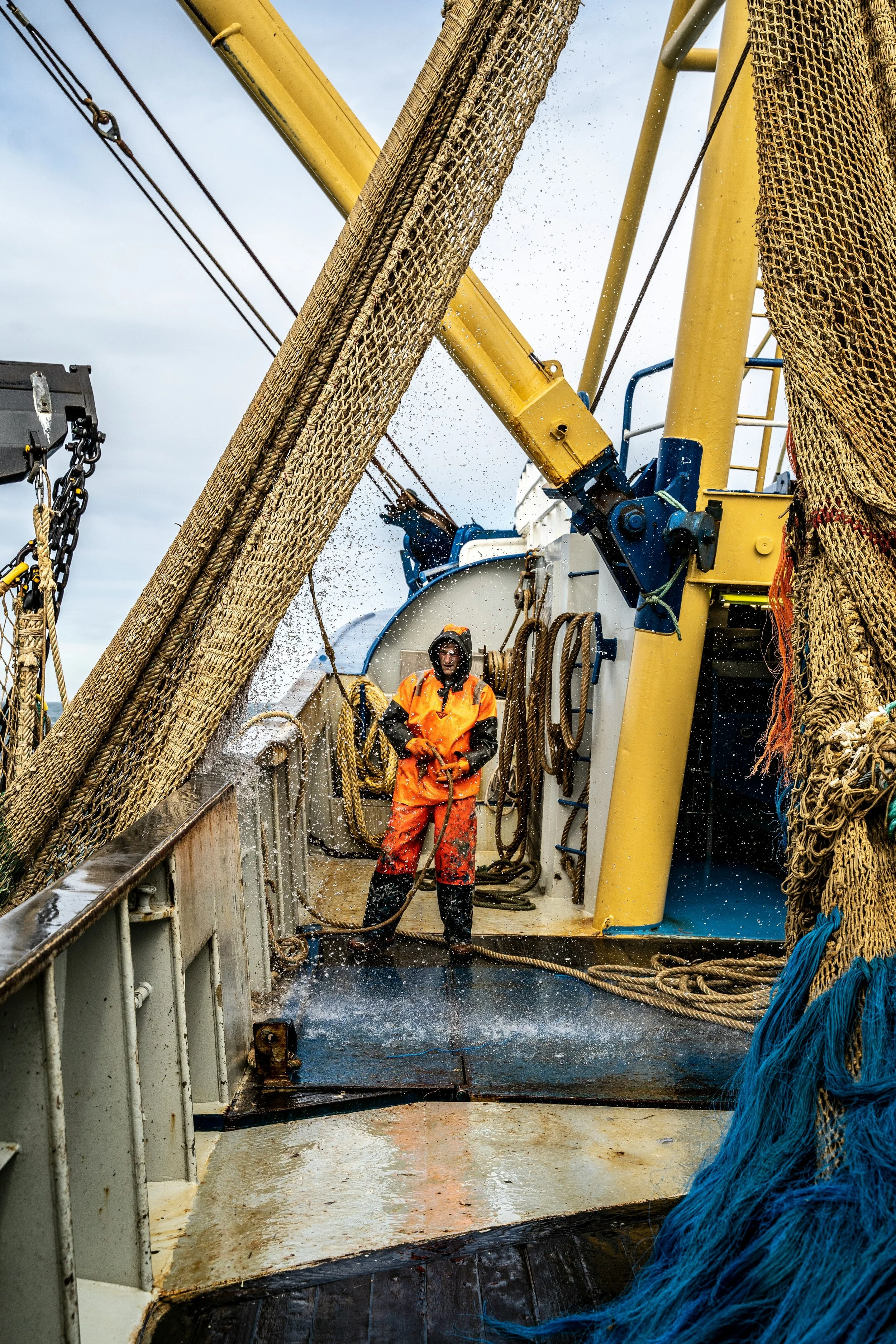
Small pelagic stocks are shared across West African waters, yet their management remains largely national. In this article, the author argues that stronger regional management is not simply a matter of better policy or voluntary cooperation: it also flows from existing obligations under international law. These obligations require coastal states not only to conserve shared stocks, but to cooperate on issues such as fishing capacity and allocation of access, implement agreed measures and hold one another accountable where national decisions undermine a shared resource. Drawing on recent examples from West Africa, the article shows why effective regional governance is essential if national conservation efforts are to succeed.